
Fashion Tech & AI, Fashion Trends & Future, resources
Retail News: Rise Of Social Commerce

With social commerce revenue projected to reach $6.2 trillion globally by 2030, social platforms Instagram, Facebook, Youtube and TikTok have integrated retail into their user experience and consumers have begun using social media for connection, discovery and purchase.
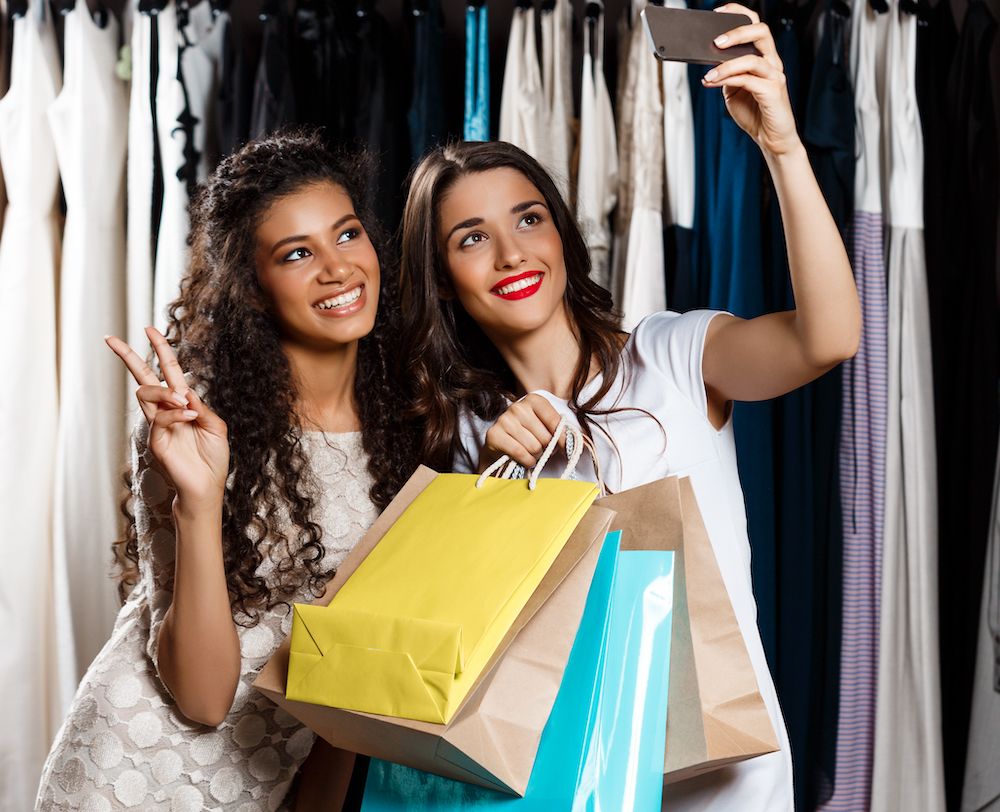
With people discovering new brands on social media and actively shopping the recommendations made by influencers and creators, the retail pattern of the digitally native have tipped the scales toward social commerce. Per Forbes: “23% of US social shoppers are between the ages of 18-34… Social commerce provides marketers with a concentrated user experience where you can start tracking the shopper’s journey from the point of discovery, target them strategically with advertising and engage them organically.”
Of course, providing value outside of a sale is key in maintaining a healthy relationship with social shoppers. This is where quality organic content comes into play. Having a robust social presence with content around the brand pillars and products while weaving in user generated content, testimonials and tutorials gives shoppers something to influence their next purchase decision. A report by We Are Social found that 16 to 34 year-olds are now more likely to visit a social network when looking for information about brands than they are to use a search engine!
Like any new technology, concerns are common. Per Forbes: “The biggest ones expressed by retailers are those around inventory management and for about 37% of users, a lack of trust in the security of payment info. Refunds and returns are also tough to manage when done through a third-party platform with its own rules and regulations. As a small business, managing inventory and purchasing inventory for a specific distribution channel can be costly, and a new distribution channel also increases the risk of sold out inventory.”
According to a consumer trends report by Jungle Scout, 71% of Gen-Z turn to Instagram to shop, where 68% prefer doing their social shopping on TikTok. Creating micro-brand universes within each of these channels helps foster deeper brand loyalty within each niche and diversifies the brand’s revenue streams. For example, Prada uses Snapchat for social commerce by leveraging AR try-ons, paid advertising and integrations to drive sales and engagement. This includes using Snapchat’s tools to run campaigns, create immersive experiences, and directly link to products, while also allowing users to see how luxury items look on their Bitmoji avatars! Ahead of Milan Fashion Week, Prada chose its Public Profile to organically share behind-the-scenes moments with its style-minded Snapchat followers. The team also activated Snap Promote, turning Spotlight content into ads that quickly reached a broader audience.
Realated Content: zhang yiming
The Evolution of Social Commerce
Social commerce is fundamentally transforming how people shop. Historically, online shopping was a straightforward process where consumers would visit an e-commerce site to make purchases. However, social commerce flips this model on its head by integrating buying capabilities directly into social platforms like Instagram, TikTok, and Facebook. What began as a method to share lifestyle content and connect with friends has evolved into an interactive shopping experience.
In its early stages, social commerce relied on users sharing product links on platforms like Facebook and Myspace, functioning as referral channels. Early adopters such as Threadless and Etsy leveraged these networks to amplify community-driven product promotion. This phase demonstrated that social interaction significantly influenced purchasing behavior and set the stage for advanced social commerce models.

The rise of mobile-first platforms in the 2010s accelerated social commerce adoption and reshaped consumer expectations. Instagram, Pinterest and TikTok inspired product discovery. Brands like Glossier- built on social media engagement- and Gymshark -which grew through fitness influencers- showcased the power of creator-driven marketing. Influencer partnerships became central to building trust and loyalty, making social feeds useful for product discovery and purchase consideration.
A breakthrough came with the introduction of in-app shopping tools that enabled direct purchase. Features such as Instagram Shop, Facebook Marketplace and TikTok Shop made it possible to browse and buy products without leaving the app. Retailers like Nike and Sephora adopted these tools, creating shoppable galleries and integrating personalized product recommendations. Smaller brands Mejuri and Allbirds leveraged in-platform checkout to streamline the consumer journey, resulting in higher engagement and stronger conversion rates.
Livestream shopping and user-generated content ushered in a new era of interactive social commerce. Inspired by the success of China’s livestream retail boom, brands like Shein, Walmart and Amazon experimented with shoppable livestreams, showcasing products in real time. Beauty brands such as Fenty Beauty and Rare Beauty rely on TikTok creators to produce authentic user-generated content that drives viral trends and rapid sales spikes. These formats replicate the immediacy and engagement of in-store shopping while offering digital convenience and social proof.
Looking ahead, it seems social commerce will continue to evolve with advancements in AI, augmented reality and personalized shopping tools. Brands like IKEA and Warby Parker are using AR features that let customers visualize products or try on eyewear virtually through social platforms. As social networks integrate predictive analytics and smarter recommendation engines, social commerce will become an immersive, hyper-personalized retail ecosystem, reflecting a broader shift toward community-driven, experience-rich and highly convenient shopping experiences that meet consumers exactly where they spend their time.
Benefits Of Social Commerce
Social commerce provides fashion retailers with a powerful opportunity to connect directly with consumers in the digital spaces where they already spend their time. Short-form videos, livestreams, and influencer partnerships help brands drive product discovery through authentic, real-life context. TikTok, in particular, has become a major catalyst for fashion trends, enabling labels to showcase products in dynamic, lifestyle-oriented content. Its impact is so strong that many retailers now tailor their strategies around TikTok’s fast-paced, trend-driven culture. A leading example is ASOS, which integrated TikTok-style shopping into its app, allowing customers to browse products shown in short videos and interact with influencers in real time—a highly effective strategy for engaging Gen Z shoppers.
Instagram has also become a key driver of social commerce and functions as a full-scale shopping ecosystem. Built-in features such as shoppable posts, product tags and in-app checkout enable users to transition from discovery to purchase. Luxury and high-street brands alike—such as Gucci, Zara, H&M and Revolve—use Instagram to create curated, visually compelling shopping experiences. Revolve, for example, leverages its influencer network to promote wardrobes and capsule collections directly through Instagram stories and Reels, turning social engagement into sales opportunities. By combining editorial visuals with integrated buying options, these brands make shopping feel natural, social, and convenient.
Several brands are innovating through social commerce. Nike uses social platforms to showcase product drops, athlete partnerships and behind-the-scenes storytelling, often linking directly to limited-release products. PrettyLittleThing and Boohoo lean heavily on influencer collaborations and TikTok challenges to drive viral attention and rapid trend adoption. Meanwhile, luxury brands Dior and Louis Vuitton have embraced livestream shopping on WeChat and Douyin, demonstrating that social commerce is flourishing in different market segments and price points.
Social commerce allows fashion retailers to build deeper connections, shorten the path to purchase and turn social interactions into commercial transactions. By meeting consumers where they already are—scrolling, watching and engaging—brands are creating interactive shopping experiences that feel intuitive and inspiring. Smaller indie brands have harnessed the power of platforms like Instagram to cultivate loyal communities, using live streaming and behind-the-scenes content to foster deeper connections with their audience. On the other hand, large fashion houses are using social commerce as a sales tool and as a means of maintaining brand relevance in an increasingly fragmented market.
Benefits of Social Commerce:
-
Boosts Product Discovery: Places fashion items directly in front of highly engaged audiences through short-form videos, reels and UGC.
-
Drives Higher Engagement and Trust: Influencers and creators provide authentic content (try-ons, styling tips) that strengthens brand credibility.
-
Enables Seamless In-App Purchases: Features like Instagram Shop and TikTok Shop reduce friction and increase conversion rates.
-
Supports Real-Time Interaction: Livestream shopping allows brands to showcase products, answer questions, and promote exclusive offers instantly.
-
Taps Into Trend-Driven Audiences: Social platforms accelerate trend adoption, helping brands react quickly to what consumers are excited about.
Challenges Of Social Commerce
Social commerce brings powerful opportunities, but maintaining authenticity and consumer trust is one of its biggest challenges. As influencer marketing grows, audiences have become critical of sponsored content that can feel insincere or misleading. When creators fail to disclose partnerships or promote products they don’t genuinely use, brand reputation and customer trust suffer. For example, Boohoo and PrettyLittleThing have faced consumer backlash when influencer posts appeared scripted or inauthentic, highlighting how essential transparency is for successful social commerce strategies.
Another challenge in social commerce is the rapid pace of content trends, especially on platforms like TikTok and Instagram Reels. Fashion brands must create high-quality, trend-aligned content quickly, but many lack the agility required to keep up with fast-moving social conversations. Viral moments can peak within days, leaving slower brands behind. Even major retailers like Zara and H&M, praised for their strong digital presence, have occasionally struggled to respond fast enough to TikTok-driven micro-trends. This pressure demands flexible production workflows and continuous monitoring of social behavior to stay relevant and competitive.
A further difficulty lies in platform dependency and limited access to customer data. Social platforms restrict detailed analytics, making it challenging for brands to build long-term customer insight or effective retention strategies. Algorithm changes can also impact visibility and sales, as seen when Instagram shifted its focus to Reels, reducing reach for brands relying on static product posts. Smaller retailers heavily dependent on social commerce are vulnerable to these fluctuations. To mitigate risk, brands must diversify their digital channels, invest in first-party data and build stronger omnichannel strategies that don’t rely solely on social platforms for traffic and conversions.
Future of Social Commerce

1. Greater Adoption of Livestream Shopping
Livestream commerce will become a mainstream sales channel, offering real-time interaction and instant conversion. Brands like Tommy Hilfiger have already hosted global livestream events, selling thousands of items within minutes.
2. Advanced Personalisation Powered by AI
AI will deliver highly personalised product recommendations based on browsing behaviour, style preferences, and social activity. Zara is experimenting with AI-driven suggestions in its app—technology that will integrate directly into its social content.
3. Growth of AR Try-Ons and Virtual Styling
Augmented reality will allow customers to virtually try on outfits or accessories before purchasing. Gucci uses AR filters for virtual shoe try-ons on Snapchat and Instagram.
4. Expanded Role of Micro-Influencers and Community Creators
As consumers seek authenticity over celebrity endorsements, micro-influencers will dominate social commerce. Gymshark built its brand using fitness creators, a model that will continue to shape the industry.
5. Social Platforms Becoming Full Shopping Ecosystems
Platforms like TikTok and Instagram will evolve into end-to-end shopping hubs with native checkout, product reviews, and customer support. ASOS has embraced TikTok Shop to sell directly within the platform.
6. Increased Use of Shoppable User-Generated Content
Brands will rely on customer-created content to drive credibility and conversion. Aerie #AerieREAL campaign is a strong example of leveraging customers to boost engagement and trust.
7. Cross-Channel Shopping
Consumers will move between social posts, apps and physical stores. Nike is leading this shift with its integrated ecosystem—allowing shoppers to reserve items seen on social media and pick them up in-store.
8. Expansion of Social Commerce Into Messaging Apps
Private messaging platforms like WhatsApp and WeChat will play a bigger role in personalised shopping. Luxury brands such as Burberry already use WeChat for exclusive drops and one-to-one shopping experiences.
9. Rise of Social-Only Collections
Fashion brands will release limited-edition products directly on social platforms to drive excitement and urgency. PrettyLittleThing frequently launches TikTok-exclusive edits that sell out within hours.
10. Stronger Emphasis on Sustainability and Transparency
Shoppers will expect brands to spotlight ethical practices directly within social content. Everlane uses Instagram and TikTok to showcase its Radical Transparency, a strategy likely to become a standard expectation in future social commerce.


