Fashion people have repeated the same advice for years: stop buying more, restyle what you already own. Swap the laces, change the belt, add a scarf. It’s the thinking behind every capsule wardrobe ever built, and it works because small changes at the edges transform how the whole outfit reads.
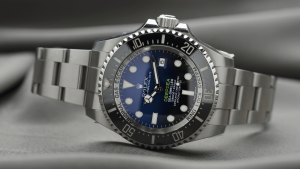
Which makes it odd that the most expensive item many people own gets worn exactly one way, every day, for years. A luxury watch leaves the boutique on a steel bracelet or a factory strap, and for most owners that is where the styling ends.
It shouldn’t be. On the wrist, the strap does most of the talking.
The Strap Is the Outfit
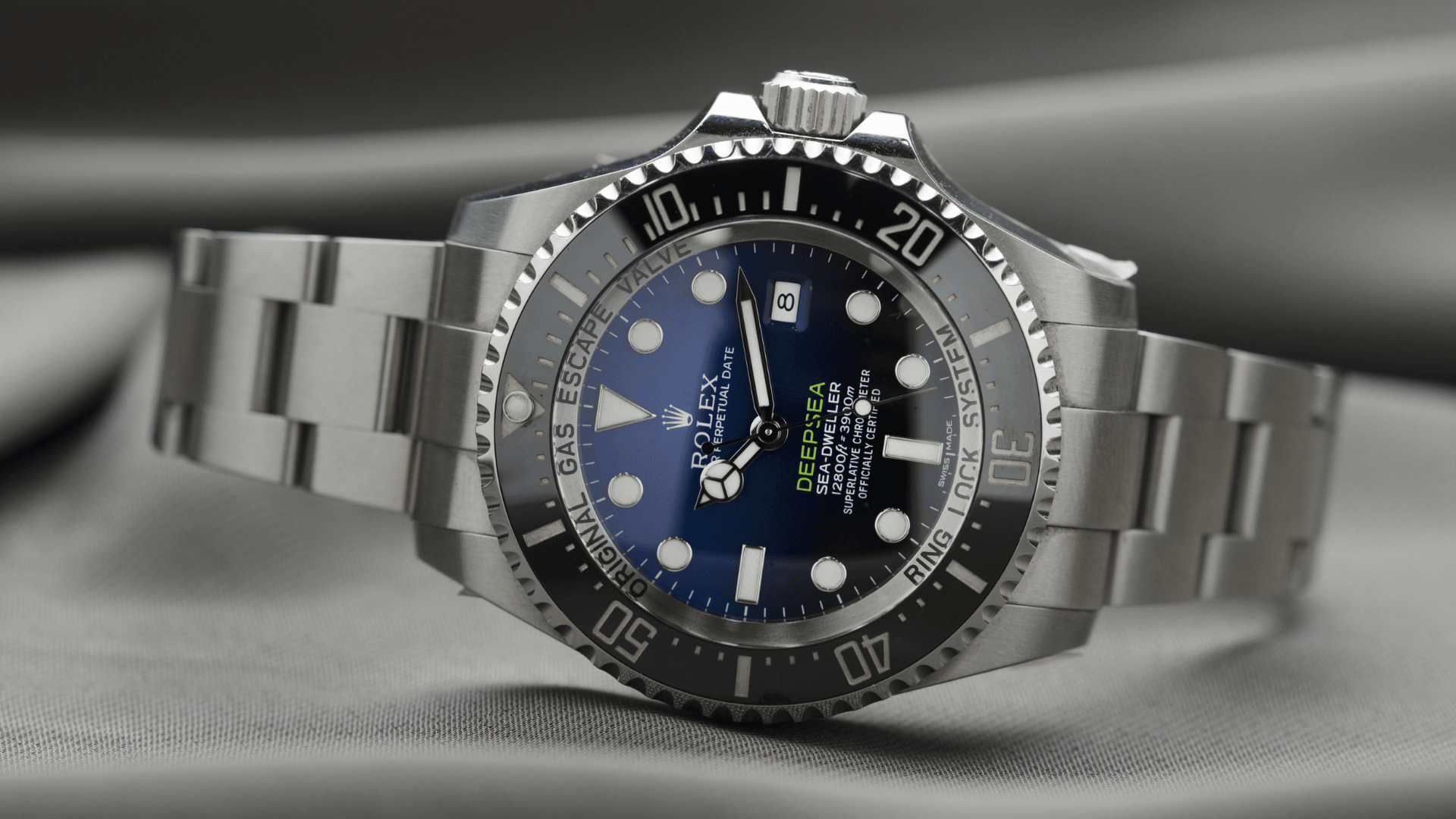
Glance at a watch across a dinner table and notice what you actually see. The case is small. The strap wraps the entire wrist. It’s the strap that signals formal or relaxed long before anyone reads the dial. A steel bracelet says meeting. Brown leather says heritage. Rubber says you might leave for the coast at any moment.
Same watch head, three completely different watches. It’s the wristwear version of a navy blazer, which becomes another garment entirely depending on whether it’s worn with loafers or white sneakers.
The watch industry figured this out at the very top. Patek Philippe ships the Aquanaut on a composite strap. Audemars Piguet puts rubber on the Royal Oak Offshore. Rolex developed its own elastomer band, the Oysterflex, for the Yacht-Master and Daytona. When the most coveted names in watchmaking put rubber on five-figure watches, the debate about whether rubber belongs on luxury is over.
Why Rubber, and Why Now
To be clear, this is not the shiny silicone of a cheap fitness tracker. The material driving the trend is FKM, a dense fluoroelastomer with a dry, matte finish that sits beautifully next to brushed steel. It doesn’t attract dust and lint the way silicone does, it shrugs off sweat, sunscreen and salt water, and it won’t crack or fade after a summer in the sun.
It also suits the way people dress now. Dress codes have loosened, tailoring is worn with sneakers, and the same watch has to survive a client meeting and a swim in the same day. Rubber handles both without complaint, and it now comes in everything from quiet black and khaki to racing orange and two-tone combinations that pick up the dial or the bezel.
Specialist makers have built entire catalogs around this idea. Helvetus, which engineers premium FKM straps for specific luxury watch models and ships them worldwide, backs every rubber strap with a lifetime warranty — a quiet signal of how far the material has come from its pool-toy reputation.
The Rolex Test
Nothing demonstrates the effect faster than a Rolex. On its bracelet, a Submariner is a classic: handsome, expected, a little bit everywhere. Move it onto fitted black rubber and it sharpens into something more deliberate, sportier and closer to how the watch actually gets used. A green-dial Sub on black rubber, a white Daytona on matching white, a Datejust on navy. Each pairing reads like a styling decision rather than a default.
The operative word is fitted. Proper Rolex rubber straps are cut for the exact case, with curved ends that follow the line of the lugs so there’s no gap where strap meets steel. Done right, the result looks close to factory: integrated, intentional, and reversible in five minutes whenever the bracelet mood returns.
One Omega, Three Personalities
Omega owners might get even more mileage out of the swap. A Seamaster Diver 300M on navy rubber is pure beach club. A Speedmaster on black becomes the ideal everyday chronograph, lighter on the wrist and far less precious about scratches. An Aqua Terra on a two-tone strap picks up its dial color and suddenly works with weekend linen as naturally as with a suit.
Omega itself sells several of its sports models on rubber, so the precedent is official. Dedicated Omega rubber straps from aftermarket specialists simply widen the palette, with more colors and fits tailored to each model’s case shape, usually for less than a dinner for two at the kind of restaurant where people notice watches.
Fit Decides Everything
The gap between upgrade and downgrade is measured in millimeters. A generic strap forced onto a luxury case gives itself away instantly: wrong width, straight ends against curved lugs, hardware that doesn’t match. If the strap is doing most of the visual work, those details are the whole game.
So shop the way you’d shop for shoes, by exact fit rather than approximate size. The better makers publish model-by-model compatibility, shape their strap ends to hug specific cases, and finish their hardware to match the watch. A lifetime warranty and free shipping don’t hurt either. If a company will stand behind a rubber strap forever, it’s confident the material will outlast your tan.
The Style Math
Here’s the quiet economics of it. A new luxury watch costs thousands and gives you one more look. A premium strap costs a small fraction of that and gives the watch you already own a second personality — a third and fourth if you build a small rotation. One for the office, one for weekends, one that only comes out on vacation.
Fashion already understands this math; it’s the entire argument for investment dressing. The watch you saved for is the investment piece. The strap is how you keep wearing it in new ways, which is the whole point of owning beautiful things.