
Trends in haircare come and go, but one thing never really changes: the state of your scalp reflects how your hair looks and behaves. Oil, leftover styling products, dry patches, and environmental exposure can all mess with your scalp’s balance. Building a weekly scalp routine keeps things in check – clean and primed for healthier-looking hair as the weeks roll by.
How to Build a Weekly Scalp Care Routine
Start By Learning Your Scalp
The best routines start with paying attention to your own scalp. Plenty of people reach for hair products based on texture or style, but what you put on your head should really depend on what your scalp needs. Oily roots call for a different approach than a dry, flaky scalp.
So, notice what happens between washes. Do you get greasy by the next day? That probably means you’re dealing with excess oil. Is your scalp itchy, or are there flakes? Dryness or irritation could be the cause. Some people even notice oilier spots and dry patches at the same time. The more you know about how your scalp acts, the easier it is to pick products that help rather than make things worse.
Kick Off the Week With a Proper Cleanse
Cleansing removes oil, sweat, dead skin, and anything your hair picked up since the last wash. If you skip washes or don’t clean thoroughly, all that buildup leaves your scalp feeling off, and you’ll probably see it in your hair too.
How often you shampoo depends not just on your scalp, but also on how active you are and what products you use. Someone who works out daily or layers on mousse and sprays might need to shampoo more than someone with a dry scalp who uses little product. When you wash, focus on your scalp – don’t mash the shampoo into your hair lengths. Use your fingertips to gently work the cleanser into your scalp, and make sure you rinse everything away.
Pick a Shampoo That Suits Your Needs
Not all shampoos do the same job. Some scrub away tough buildup, while others lock in moisture for dry scalps. If your skin is sensitive, you might want a fragrance-free formula or one labeled as tested for sensitive skin.
Give any new shampoo a fair shot before you switch again (unless it causes an immediate bad reaction). Changing too often can just leave you guessing what’s working and what’s not.
Add Weekly Scalp Exfoliation
Regular shampooing isn’t always enough. Dead skin and leftover product can hang on and make things worse over time. Adding a weekly scalp exfoliant helps clear out that stubborn buildup so your scalp feels fresher and less irritated.
Scalp exfoliators fall into two main types: physical ones use tiny grains to lift away debris, while chemical options use ingredients like salicylic acid to loosen oil and dead skin cells. Both can work – what matters is finding the right match for your scalp and what you’re comfortable with.
When to Exfoliate
Certain symptoms often suggest that buildup is becoming a problem. These include:
- Your scalp stays itchy
- Your hair feels weighed down even right after washing
- Extra oil production
- You can see residue on your scalp
- Flakes that don’t go away with regular shampoo
Most people only need to exfoliate once a week. Overdoing it can disrupt the scalp barrier and create more irritation.
Apply Targeted Scalp Treatments
Once you’ve washed and exfoliated, your scalp is ready for an extra treatment. There is an anti hair-fall serum for almost every concern: dry skin, sensitivity, oiliness, even thinning hair.
Look for ingredients that fit what you need – hyaluronic acid for moisture, niacinamide for barrier support, calming extracts if your scalp’s fussy. The key: don’t overload on products. Pick one solid option and stick with it rather than switching or stacking multiple treatments at once.
Don’t Skip the Scalp Massage
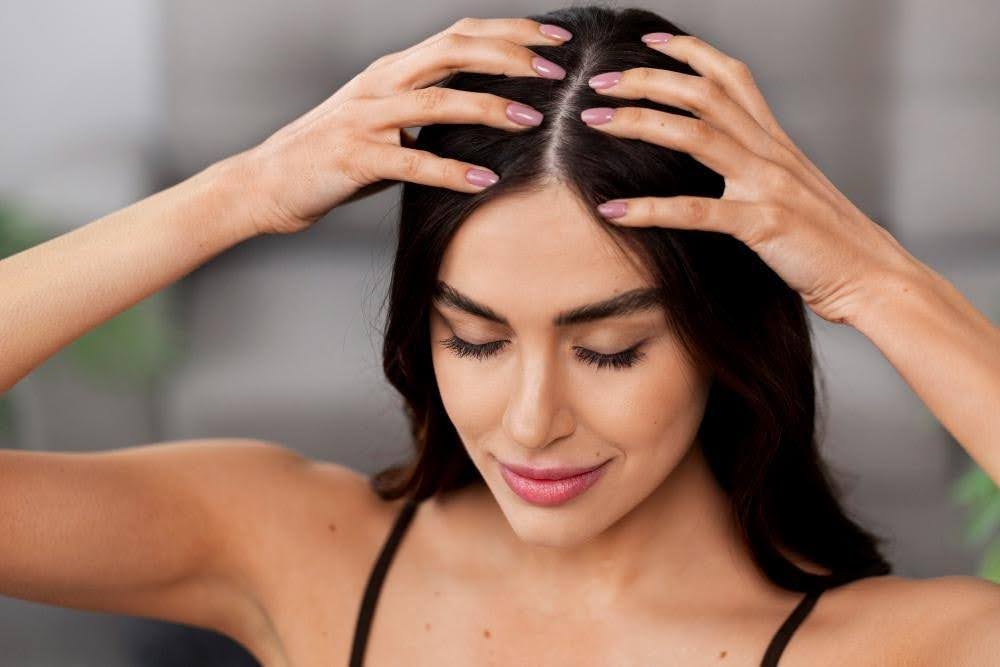
Among the tricks for a better scalp, massage is one of the easiest and most overlooked. No tools needed – just your fingertips. A few minutes spent gently rubbing in circles help move natural oils around and feel pretty relaxing, too.
The trick is to use light pressure. Too much rubbing can cause irritation or even damage fine hairs. Massaging also helps you notice what’s really going on with your scalp – any dryness, soreness, or changes are easier to catch early on.
Protect Your Scalp From Daily Stress
Your scalp faces much of the same stuff as your face: sun, wind, pollution, dryness. Small changes add up. If you’ll be out in the sun, wear a hat. Drink enough water, especially in dry or overheated spaces. In winter, when indoor heaters zap the moisture from the air, it’s a good time to lean into moisturizing treatments.
And don’t forget about heat tools. Giving your hair and scalp a break from high temps – or using a heat protectant – can make a real difference.
Be Picky With Styling Products
Styling products can build up all week – especially heavy sprays, creams, waxes, or dry shampoos. Left behind, they clog things up and sometimes lead to irritation or flakes.
Use only what you need (more isn’t better), and take a look at your collection from time to time to see if something there could be making things worse instead of better.
Don’t Overdo Dry Shampoo
Dry shampoo can buy you time between washes, which is great if your scalp gets oily fast. But it’s not a replacement for actual cleansing.
If you use it, make sure you wash your scalp soon after, or you’ll end up with more residue and dull-looking hair.
Adjust Your Routine As Needed
What your scalp wants won’t always stay the same. Seasons, stress, hormones, or switching up your habits can all change how your scalp acts.
Notice oiliness, unusual dryness, or a sensitive patch? Try small changes first – a richer formula in winter, or a deeper clean during a sweaty summer. Keeping tabs means you can sort things out before they get out of hand.
Conclusion
You don’t need a million products or complicated routines. If you keep up with regular cleaning, occasional exfoliating, targeted treatments, gentle massage, and keep your product use in check, your scalp should stay comfortable and ready to support better-looking hair. Sticking with these habits means a cleaner, happier scalp all year round.