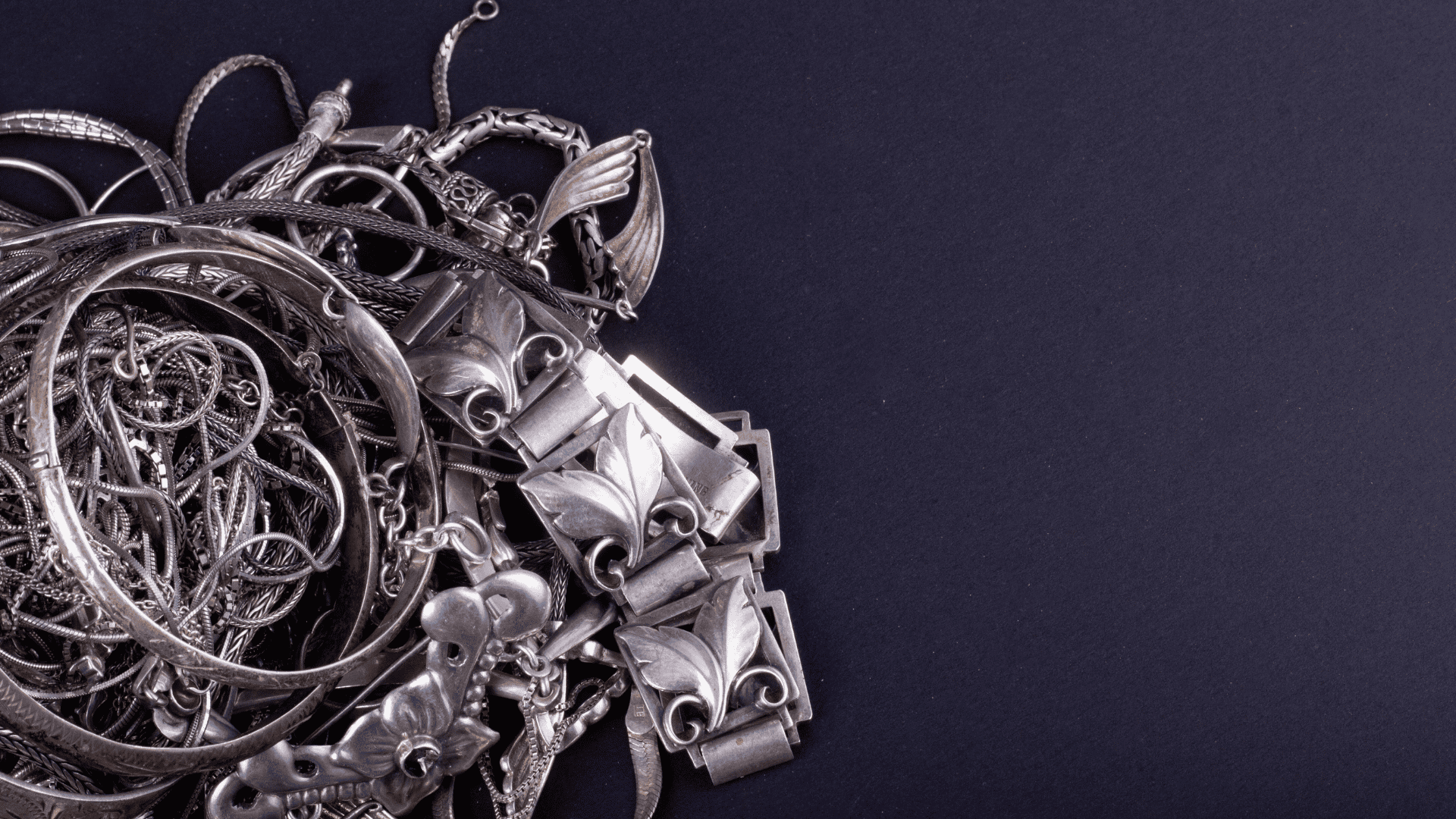
Selling silver jewelry for a fair price starts with knowing what you own and how buyers calculate value. Weight matters, but purity, craftsmanship, brand, condition, and resale demand can also affect the amount you receive.
The biggest mistake is accepting the first offer without comparing it with the current silver price and the item’s possible resale value. A few simple checks can help you recognize a reasonable offer and avoid unnecessary deductions.
Check the Silver Markings
Look for a purity stamp on the jewelry. Common markings include 925, Sterling, 800, 900, 950, or Britannia.
The number usually shows how much pure silver the item contains. For example, sterling silver is generally 92.5% silver, with the rest made up of other metals that improve strength.
Do not assume an item is fake because you cannot find a stamp. Older, handmade, or heavily worn jewelry may have faint or missing marks.
Weigh the Jewelry Properly
Buyers often calculate part of the offer based on the item’s silver weight. Use a small digital scale and record the weight in grams before requesting quotes.
Remember that stones, clasps, springs, and non-silver parts may be deducted from the total. A buyer should explain any weight adjustments rather than provide only a final number.
Check the Current Silver Price
Review the current spot price of silver before contacting buyers. This gives you a basic reference point for the value of pure silver.
Your jewelry will usually sell for less than its full spot value because it may require testing, refining, handling, and resale. However, the offer should still make sense when compared with the item’s purity and estimated silver content.
Consider More Than Scrap Value
Some silver jewelry is worth more as a finished piece than as scrap metal. Designer names, antique styles, handmade work, unusual gemstones, and collectible patterns may increase resale demand.
Before selling by weight, check whether the item has:
- • A recognizable maker’s mark
- • Vintage or antique features
- • Original stones
- • Branded packaging
- • A matching set
- • Unusual craftsmanship
A specialist jewelry buyer may offer more than a general precious-metal dealer for distinctive pieces.
Compare Several Buyers
People who want to sell silver online should request quotes from multiple established buyers. Compare the final payment after testing charges, shipping costs, commissions, and insurance fees.
Ask whether the offer is guaranteed or only an estimate. You should also confirm how the item will be returned if you decide not to accept the final price.
Separate Jewelry From Bullion
Silver jewelry and investment silver are priced differently. Jewelry may be valued for its design and condition, while bars are usually judged more directly by weight, purity, and market price.
If you also plan to sell silver bars, keep them separate from jewelry during the appraisal process. Recognized bars with clear refinery markings and intact packaging may receive stronger offers than unmarked silver pieces.
Avoid Unnecessary Cleaning
Do not use harsh chemicals, abrasive cloths, or homemade cleaning methods before selling. Aggressive polishing can remove patina, scratch the surface, or reduce collector interest.
A light wipe with a soft cloth is usually enough for photographs. Leave deeper cleaning and testing to a qualified buyer or appraiser.
Get the Offer in Writing
Ask for a written breakdown showing the weight, purity, deductions, fees, and final payment. This makes it easier to compare buyers fairly.
Keep photographs, tracking details, receipts, and all communication until the sale is complete. Clear records can protect you if there is a disagreement about the item’s condition or value.