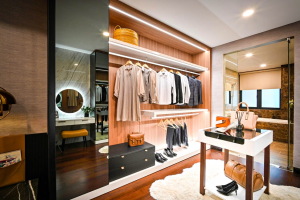
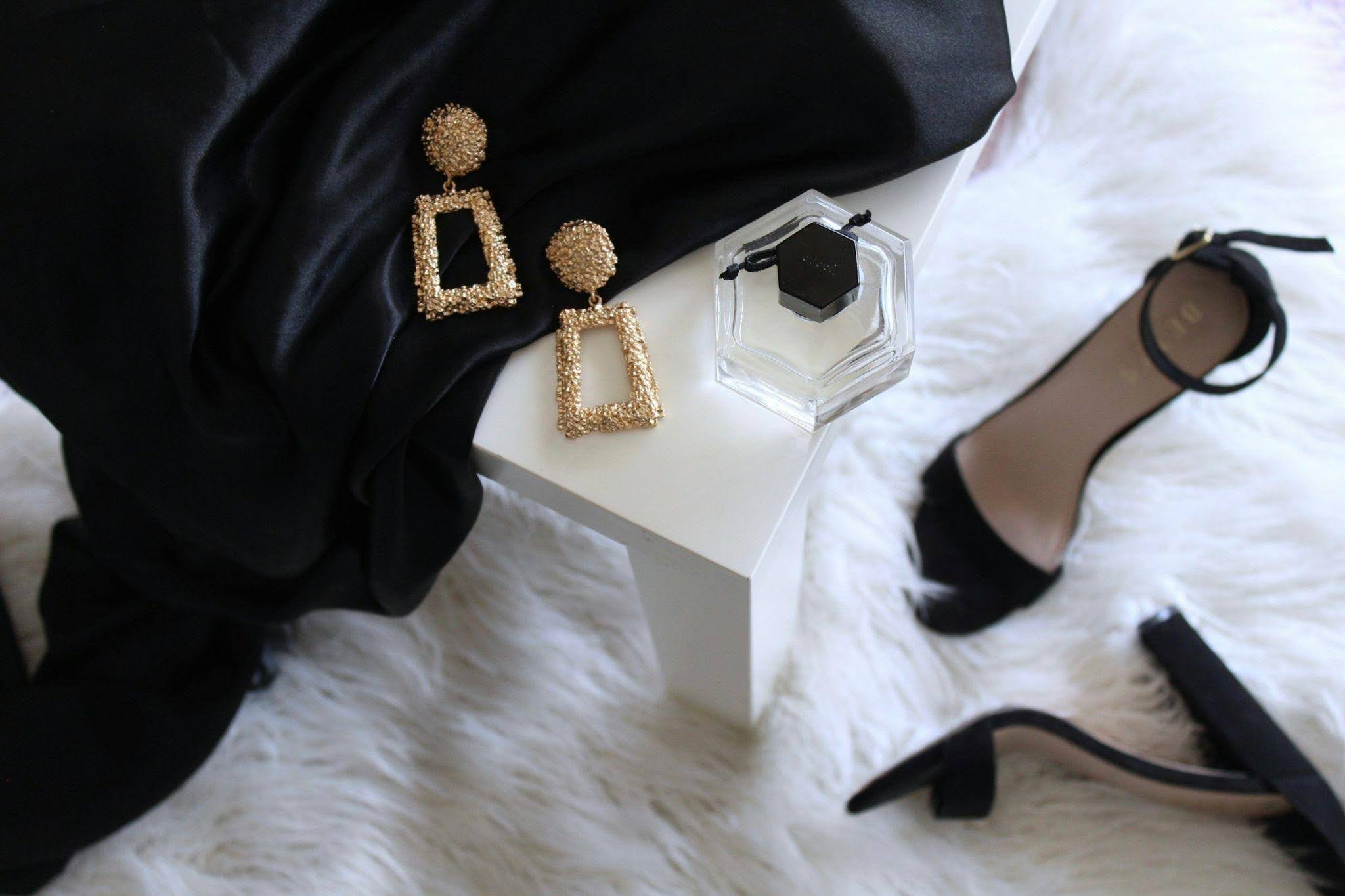
Photo by Gabrielle Henderson on Unsplash
Breaking into luxury fashion has never been simply about loving designer brands or following the latest runway collections. Employers expect candidates to understand customer expectations, brand identity, retail operations, and the level of professionalism required to represent premium labels. While competition is strong, recruiters consistently look for people who demonstrate both industry knowledge and the ability to contribute to a brand’s long-term success.
Building a career that stands out requires more than an impressive résumé. It involves developing relevant experience, understanding the luxury market, and presenting those qualities in a way that aligns with what employers actually value.
Industry Knowledge Is Only the Starting Point
A strong understanding of fashion trends and luxury brands is valuable, but recruiters often place equal importance on communication skills, commercial awareness, and adaptability. Candidates who can explain how they solve problems, work with clients, or contribute to team performance frequently leave a stronger impression than those who simply list prestigious brands on their CV.
Many professionals also benefit from learning how specialist recruiters approach hiring within the sector. Working with Fashion and luxury recruitment experts can provide insight into the expectations of premium employers, the qualities sought for different roles, and how candidates can present their experience in ways that align with the standards of luxury retail and fashion businesses. Understanding the recruitment process from an industry perspective often helps applicants prepare more effectively for interviews and identify opportunities that match their long-term career goals.
Building Relevant Experience Matters More Than Job Titles
Experience does not always have to come from a globally recognized fashion house. Customer-facing roles, premium retail environments, visual merchandising, showroom support, buying assistance, and client relationship management can all develop transferable skills that luxury employers appreciate.
Recruiters also recognize that career paths into luxury fashion have become increasingly diverse as retail, e-commerce, and brand experience continue to evolve. Industry analysis from The Business of Fashion regularly examines hiring trends, leadership priorities, and the skills shaping careers across the global luxury market, offering valuable context on how employers’ expectations continue to change.
Recruiters often evaluate how candidates have applied their experience rather than focusing exclusively on where they gained it. Demonstrating measurable achievements, initiative, and continuous development can make previous roles significantly more valuable.
Personal Branding Extends Beyond a CV
Hiring managers frequently review professional profiles before arranging interviews. A well-maintained LinkedIn profile, an organized digital portfolio, or examples of previous projects can reinforce the strengths described in an application.
Consistency is important. The experience listed across different platforms should tell the same professional story while highlighting achievements that relate directly to luxury fashion. For creative roles, visual presentation also matters, as portfolios often provide the first impression of a candidate’s attention to detail and design awareness.
Candidates should also remain active within the industry by attending networking events, fashion exhibitions, trade shows, or professional seminars whenever possible. These experiences demonstrate genuine engagement with the sector beyond day-to-day responsibilities while helping build meaningful professional relationships.
Soft Skills Often Separate Strong Candidates
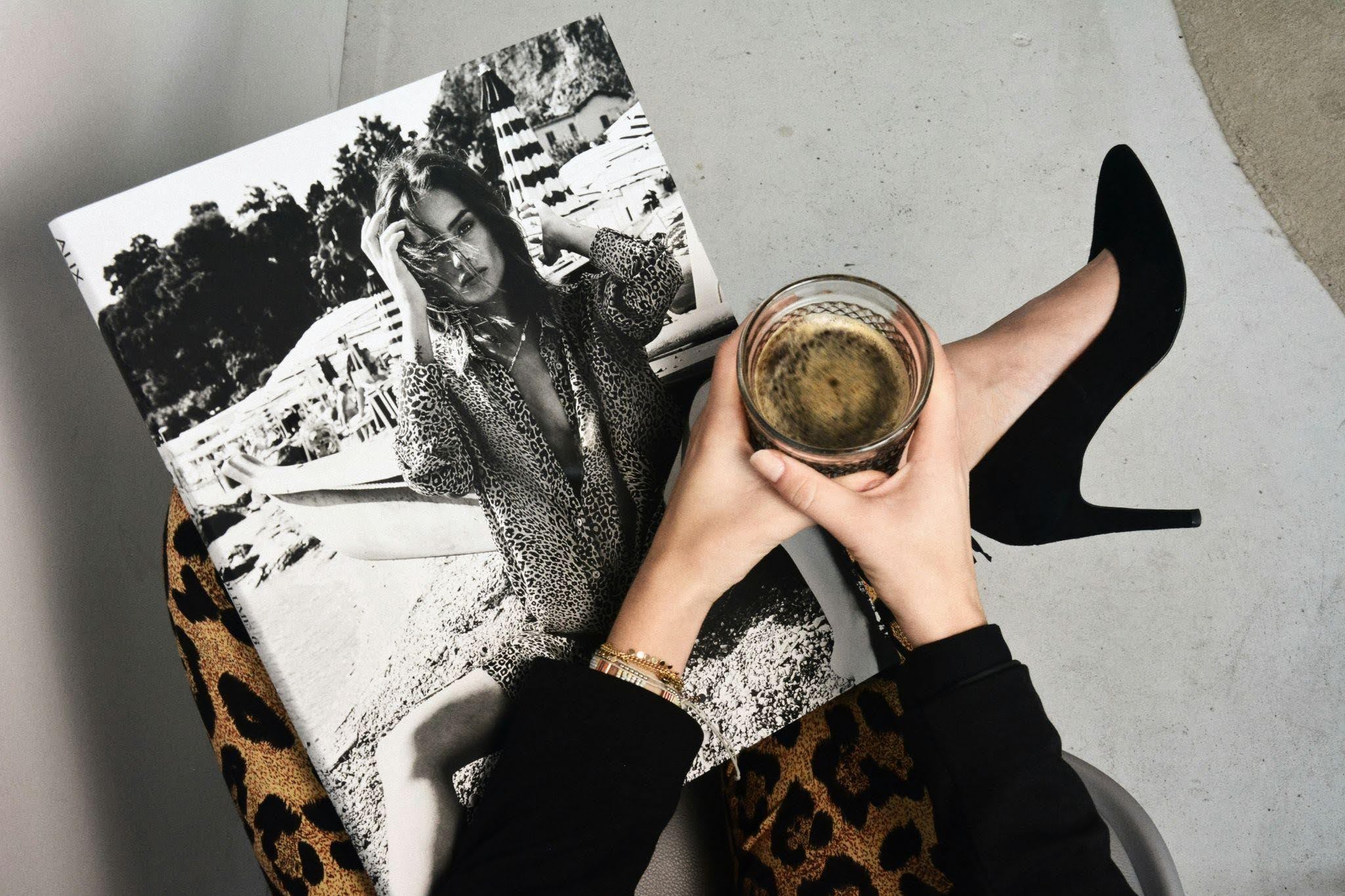
Photo by Cleo Vermij on Unsplash
Technical knowledge may secure an interview, but interpersonal abilities frequently determine who receives an offer. Luxury brands expect employees to communicate confidently, remain composed under pressure, and deliver exceptional customer experiences.
Emotional intelligence, active listening, adaptability, and problem-solving have become increasingly valuable across both retail and corporate fashion roles. Recruiters often look for examples that demonstrate these qualities through real workplace situations rather than general statements.
Being able to collaborate across departments is equally important as fashion businesses become more integrated across digital, retail, marketing, merchandising, and customer experience teams. Professionals who understand how these functions connect are often better equipped to contribute to a brand’s long-term success.
Continuous Learning Keeps Careers Moving Forward
Fashion is constantly evolving, and successful professionals evolve with it. New technologies, sustainability initiatives, digital retail strategies, artificial intelligence, and changing consumer expectations continue reshaping the industry.
Candidates who regularly update their knowledge through professional courses, industry publications, webinars, networking opportunities, and practical experience demonstrate a commitment to long-term career development. Recruiters often recognize this mindset because it reflects curiosity, adaptability, and a willingness to grow alongside the industry.
Building a successful career in luxury fashion is rarely the result of one impressive application. It comes from consistently developing relevant skills, gaining meaningful experience, and presenting a professional profile that reflects the standards expected by premium employers. Those who combine industry knowledge with professionalism, adaptability, and a genuine understanding of the luxury market are far more likely to attract the attention of recruiters looking for exceptional talent.