Pinpointing the exact number of professional fashion designers worldwide is harder than it sounds. The industry is a layered ecosystem of household-name creative directors, sprawling corporate design teams, and millions of independent freelancers scattered across every continent. But with the latest labour statistics and industry employment data, can we paint a reliable picture?
The Global Estimate: 150,000–200,000 Professional Fashion Designers
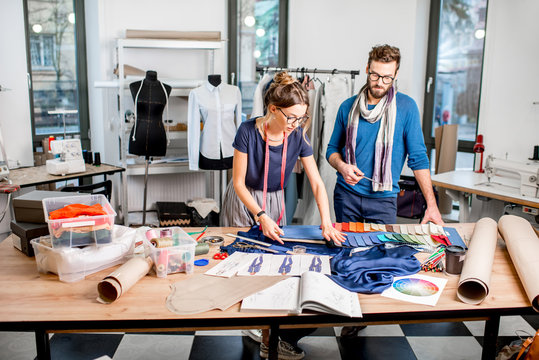
Globally, over 430 million people work across the entire fashion value chain — from design and manufacturing through to retail and logistics. However, “professional fashion designers”—those whose primary role is the creative conceptualisation and technical design of apparel—represent only a specialised fraction of that workforce, estimated at between 150,000 and 200,000 professionals worldwide.
| Region | Estimated Fashion Designers |
|---|---|
| United States | ~25,700–39,200 |
| European Union | ~50,000–70,000 |
| United Kingdom | ~10,000–15,000 |
| China & Asia-Pacific | ~60,000+ (rapidly growing) |
| Rest of World | ~20,000+ |
The United States: A Closer Look
The U.S. remains one of the most closely tracked markets for designer employment. As of 2026, there are approximately 32,253 fashion design businesses in the U.S. — an increase of 3.6% from 2025, and an average annual growth of 4.8% over the past five years.
The United States currently employs approximately 18,000 fashion designers, who earn an average annual wage of $73,690. Factoring in independent contractors, studio owners, and freelance designers significantly increases that figure.
Where Are Fashion Designers Based?
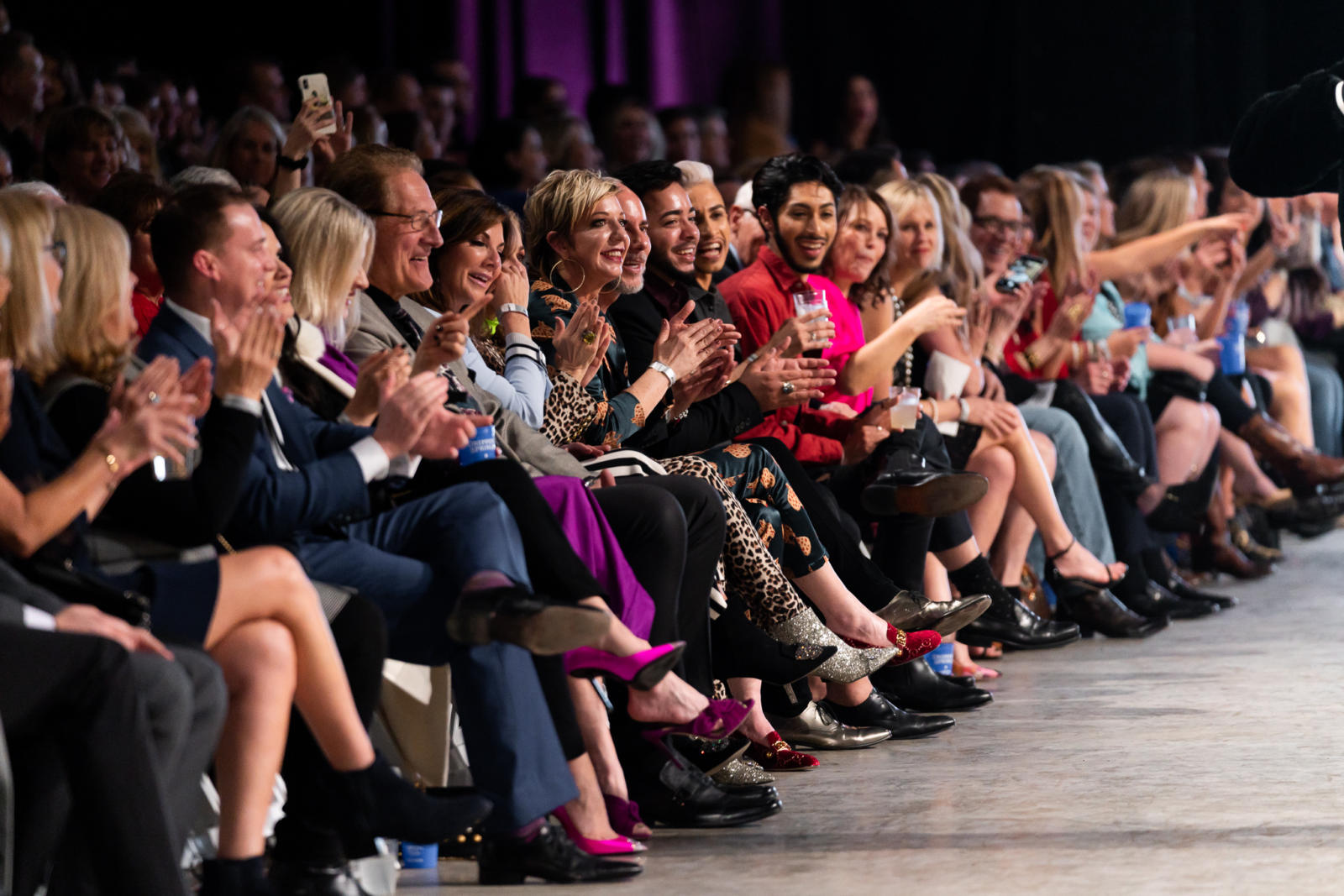
The world’s great fashion capitals concentrate the vast majority of professional designers. New York, Paris, Milan, London, and Hong Kong each anchor enormous design communities. New York, California, Texas, Florida, and Oregon are the top five U.S. states for fashion designer employment.
Breaking down employment type globally:
- 20–28% are self-employed or freelance
- 22% work for wholesalers, designing for mass-market brands
- 16% work in-house for corporate fashion houses or luxury groups
The Gender Gap: Women Design, Men Lead
The numbers on gender reveal a striking contradiction at the heart of the industry.
Women dominate at the designer level, making up 82.7% of all fashion designers, while men account for just 17.3%. Yet the executive picture is very different. Men hold 63% of executive roles in the fashion industry despite being a minority in the workforce, and only 14% of major fashion brands are run by female executives.The gap is especially stark in luxury: only 6 of the top 50 luxury brands are led by female CEOs, and as recently as 2017, 100% of LVMH’s top fashion houses were led by male creative directors.
Why the Numbers Are Changing in 2026: The Digital Designer Revolution

Perhaps the most significant shift reshaping the global designer count is the rise of digital fashion — and it’s moving fast.
The global digital fashion market was valued at USD 3 billion in 2025 and is forecast to reach USD 7.9 billion in 2026, with projections pointing toward USD 21.1 billion by 2027. This explosive growth is creating an entirely new category of designer – one who may never touch physical fabric.
A major technical advancement in 2026 is the mainstream adoption of “digital twins”—3D virtual replicas of physical garments, that serve a dual purpose: fuelling the avatar economy and acting as the visual frontend for the EU’s Digital Product Passport requirements.
Nearly 48% of Gen Z consumers show a preference for digital outfits in online interactions and brands are responding. Over 210 major brands launched content on Roblox in the past year alone, all requiring dedicated digital design talent.
The sustainability-conscious industry’s business case is also compelling: virtual sampling has reportedly reduced physical prototype waste by up to 34% and improved product visualisation accuracy by 29%.
The Bottom Line
The world has between 150,000 and 200,000 professional fashion designers — a figure that is growing, evolving, and increasingly difficult to define. As digital fashion matures from a niche novelty into a multi-billion dollar sector, the definition of “designer” is expanding with it. The next generation of fashion talent may be just as likely to build their career in a metaverse showroom as on a physical runway.