
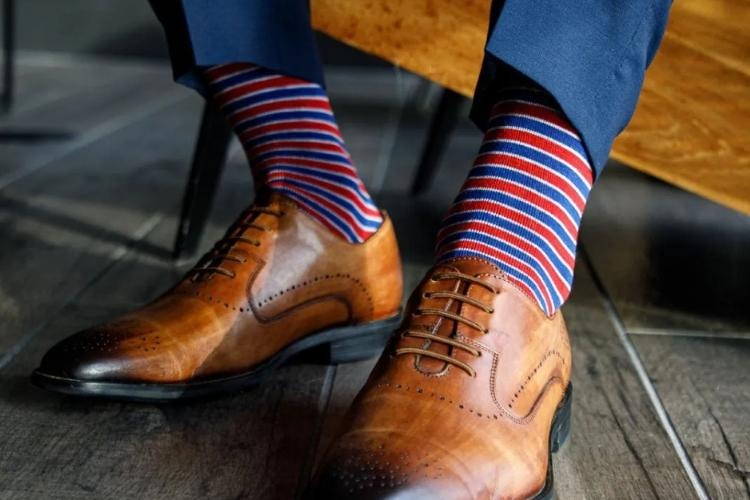
[Photo by Southern Scholar].
The challenge is that business casual can look different depending on the workplace, industry, season, and occasion. Getting it right comes down to understanding the basic rules, choosing the right pieces, and paying attention to details that quietly shape the overall impression.
What Business Casual Actually Means
Business casual removes the strictness of a full suit but keeps the structure of professional dressing. In most settings, it means no athletic wear, no graphic T-shirts, no distressed denim, and no overly casual shoes. You should look ready for a meeting, even if you are not wearing a jacket or tie.
A strong business casual outfit often includes:
- • A button-down shirt, polo, or fine-gauge knit
- • Chinos, dress trousers, or tailored dark jeans if appropriate
- • Loafers, brogues, derby shoes, or clean leather sneakers in relaxed offices
- • A belt that works with your shoes
- • Simple accessories that do not distract
The key is balance. For example, dark jeans can work with a crisp Oxford shirt and loafers, but they may look too relaxed with a T-shirt and sneakers.
Start With Fit Before Anything Else
Fit matters more than brand names, colors, or trends. Even expensive clothing looks careless if it pulls, sags, or bunches in the wrong places. Business casual should give you room to move while still following the shape of your body.
Shirts should sit neatly across the shoulders, with sleeves ending around the wrist bone. Trousers should sit comfortably at the waist without needing constant adjustment. If your pants pool heavily over your shoes, they will make the whole outfit look less refined.
A tailor can make a big difference with small adjustments. Hemming trousers, narrowing sleeves, or bringing in a shirt slightly can turn basic pieces into clothing that looks intentionally chosen.
Build Outfits Around Reliable Core Pieces
The easiest way to master business casual is to build around versatile staples. Start with neutral colors such as navy, charcoal, white, light blue, olive, beige, and brown. These shades are easy to mix and match, which helps you create more outfits from fewer items.
A dependable rotation might include two Oxford shirts, one crisp white dress shirt, a few polos, two pairs of chinos, one pair of wool trousers, and a lightweight blazer. From there, you can add texture and personality through knitwear, patterned shirts, or subtle accessories.
Shoes also deserve attention. Loafers are useful because they work with chinos, dress trousers, and some dark denim. Brown leather shoes tend to feel more relaxed than black ones, making them especially useful for business-casual outfits.
Use Color and Pattern Carefully
Business casual gives you more freedom than formal wear, but restraint still matters. Bright colors, loud prints, and novelty patterns can quickly make an outfit feel less professional. That does not mean everything has to be plain. It means the pattern should fit the environment.
A striped shirt, textured knit, subtle check, or patterned sock can add interest without overwhelming the outfit. The safest approach is to keep one piece visually active and let the others stay simple. For example, a checked shirt works well with solid chinos and plain loafers. Patterned socks work best when the trousers, shoes, and shirt are relatively understated.
When choosing socks, think about the full outfit. They may only show when you sit down, but that moment still counts. You can find socks that match your style while still fitting naturally into office, dinner, and event outfits through Southern Scholar.
Know What to Avoid
Many business casual mistakes happen when men confuse “casual” with “anything goes.” The outfit should still show effort. Worn-out sneakers, faded T-shirts, wrinkled shirts, and athletic socks can make an otherwise decent outfit look unfinished.
Avoid these common missteps:
- • Shirts that are too tight across the chest or too long when untucked
- • Pants with heavy fading, distressing, or oversized pockets
- • Shoes that are scuffed, dusty, or too sporty
- • Belts that clash sharply with the shoes
- • Socks that look too thin, stretched out, or overly casual
- • Overly bold accessories in conservative workplaces
If there is a chance of a client meeting, presentation, interview, or lunch with senior colleagues, dress a step sharper.
Adjust Business Casual for the Season
Business casual should change with the weather. In warmer months, choose breathable fabrics and lighter colors. Cotton chinos, linen-blend shirts, lightweight polos, and loafers can keep you comfortable without looking too relaxed. Just be careful with linen in very formal offices, as it wrinkles easily.
In colder months, texture becomes your friend. Wool trousers, merino sweaters, suede shoes, thicker chinos, and structured coats can make simple outfits feel more considered. A crewneck sweater over an Oxford shirt is a reliable cold-weather combination, especially with tailored trousers or chinos.
Seasonal dressing is also about color. Lighter blues, stone, and beige work well in spring and summer. Navy, burgundy, forest green, charcoal, and brown feel more natural in fall and winter.
Match the Outfit to the Setting
The best business casual dressers pay attention to context. A creative agency, corporate office, conference, dinner, and casual Friday may all call for slightly different versions of the same dress code.
When in doubt, look at the leaders or best-dressed people in the room. You do not need to copy them exactly, but their choices can help you understand the level of formality expected.
Conclusion
Business casual works best when it feels intentional. The goal is not to look stiff or overly formal, but to show that you understand the setting and have dressed with care. Start with a good fit, build around versatile pieces, choose quality shoes, and keep patterns controlled.
Once the foundation is in place, smaller details can add personality without weakening the professional feel of the outfit. A sharp business casual wardrobe should make mornings easier, not more complicated. With the right mix of structure, comfort, and restraint, you can look prepared for the workday while still dressing like yourself.