
A wedding dress can look perfect under boutique lighting and still feel wrong once it reaches the venue. The room changes the dress. So do the ground, the temperature, the timing of the ceremony, and the way the bride needs to move through the day.
That is why venue context should be incorporated into the shopping process early. Many boutiques that carry wedding dresses in Vancouver can help brides think through train length, fabric weight, and ceremony style. While a great dress still mirrors personal style, it should also suit the location of the wedding ceremony.
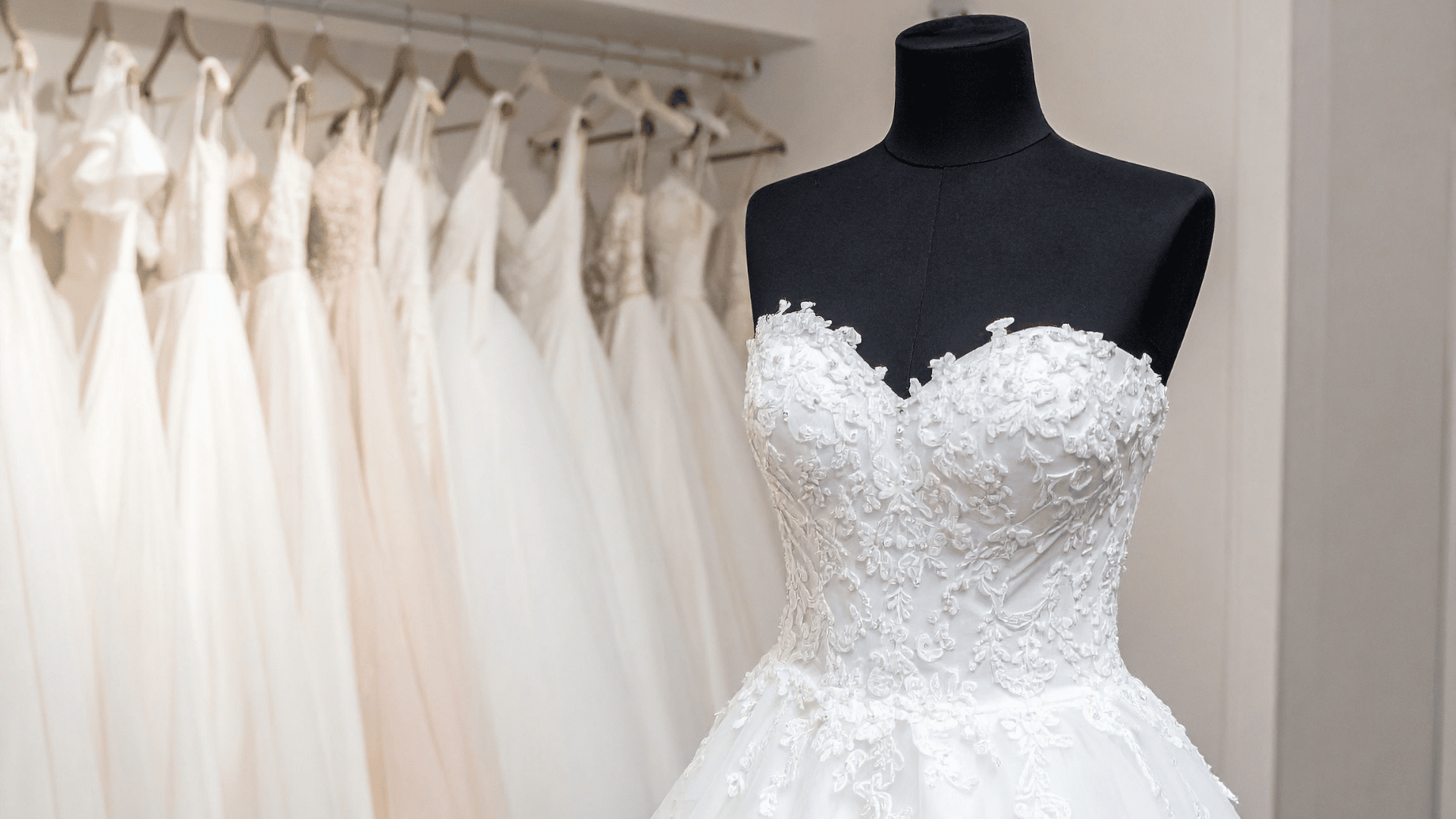
How to Choose a Wedding Dress Style Based on Your Venue
Let the Venue Set the Level of Formality
Formality is often the first clue. A grand hotel usually calls for a more formal gown than a small garden ceremony. The scale of the venue affects how much dress the space can carry before the look feels unbalanced.
A formal room can accommodate sharper tailoring and a fuller skirt because its architecture has enough weight to support them. A simpler venue often needs a gown with softer movement. The dress should feel connected to the setting rather than louder than it.
This does not mean the venue controls every choice. Personal taste still comes first. The venue simply helps refine the options, so the bride is choosing from styles that make sense for the day rather than styles that only look strong on a showroom platform.
Match the Silhouette to the Space
Silhouette changes how a bride appears in the venue. A ball gown can be beautiful in a wide ceremony room because it has space to open around the body. In a narrow aisle or intimate dining room, the same volume can feel hard to manage.
An A-line gown is often easier to wear across many venue types because it provides shape with less weight. It offers a bridal feeling without demanding a large room. For brides who want elegance and movement, this shape is often a safe starting point.
A sheath or column dress can suit a modern venue with clean lines. It can also work for a city ceremony where the bride wants a lighter visual mood. The key is confidence in the fit, since narrow gowns rely more on proportion and tailoring than on volume.
Think About the Ground Under the Dress
The floor matters more than many brides expect. A polished ballroom floor is gentle on fabric. Grass can catch a hem. Gravel can mark delicate material. Sand can change the way a train moves within minutes.
For outdoor settings, the bride should think carefully about length. A dramatic train may be worth it for the ceremony, but it needs a plan after the vows. A bustle can help, though the dress should still be easy to lift and control during portraits.
Fabric also reacts to the ground. Heavy satin can look rich indoors, yet it may feel less practical for a soft outdoor surface. Lighter fabrics are often easier to manage outside because they move with the bride rather than pulling against the setting.
Choose Fabric for Light and Weather
A gown changes under natural light. Lace may look softer outdoors. Satin may show every crease when the sun is direct. Sparkle can feel subtle in a ballroom and much brighter in afternoon light.
Weather should shape the choice, too. A summer garden ceremony needs a dress that lets the bride stay comfortable. A winter venue may support heavier fabrics and longer sleeves. Comfort affects posture, movement, and the way the bride feels in every photo.
Fabric weight is one of the quiet details that separates a beautiful dress from the right dress. A gown can be visually stunning, yet still feel wrong if it fights the temperature or the setting. The best choice allows the bride to enjoy the day without constant adjustments.
Use Details to Echo the Setting
Dress details should support the venue’s atmosphere. A garden wedding may suit floral lace because the texture feels connected to the setting. A museum venue may call for a cleaner gown with stronger lines.
A rustic venue can work well with soft fabrics and a relaxed structure. A city venue may favor a sleeker dress with a more edited finish. The goal is not to copy the venue. The goal is to create a visual relationship between the bride and the space.
Accessories can help refine that relationship. A cathedral veil can make a simple gown feel more ceremonial. A shorter veil can keep the look lighter for an informal venue. A cape or overskirt can add drama for the ceremony, then allow easier movement later.
Plan for Movement from Ceremony to Reception
A wedding dress has to work beyond the aisle. The bride may need to climb stairs, step into a car, cross a lawn, move through a narrow reception space, and dance comfortably. A dress that only works for the ceremony can become frustrating by dinner.
The venue timeline can help guide the decision. If the ceremony and reception are in the same space, the dress may need to shift easily from formal photos to social movement. If the couple is changing locations, the gown should be manageable during travel.
A second look is one option, but it is not the only answer. A detachable train, a lighter overskirt, or a well-built bustle can give the bride more flexibility. The right solution depends on the venue, the schedule, and the bride’s tolerance for handling fabric throughout the day.
Trust the Dress That Feels Right in the Setting
The right wedding dress should feel beautiful before anyone explains why it works. Still, the venue can clarify the final choice. It shows which gown has the right presence, which fabric has the right mood, and which details will feel natural on the wedding day.
Brides should bring venue photos to appointments and describe the day honestly. A stylist can give better advice when the setting is clear. The same dress may feel perfect for a candlelit hall and awkward for a seaside ceremony.
A venue-aware choice does not limit personal style. It sharpens it. When the dress, setting, and movement of the day are in harmony, the bride looks more at ease. That ease is what makes the final look feel memorable.