
When you walk into a store and see a “leather” jacket, there’s not much assurance behind the label. It’s such a vague term that based on its application, it’s hard to know what’s really behind it. Is it real leather? Bonded leather? Vegan leather? Pleather? All sound official and different, yet they vary drastically in how they wear, how long they last, and ultimately, what you’re actually purchasing.
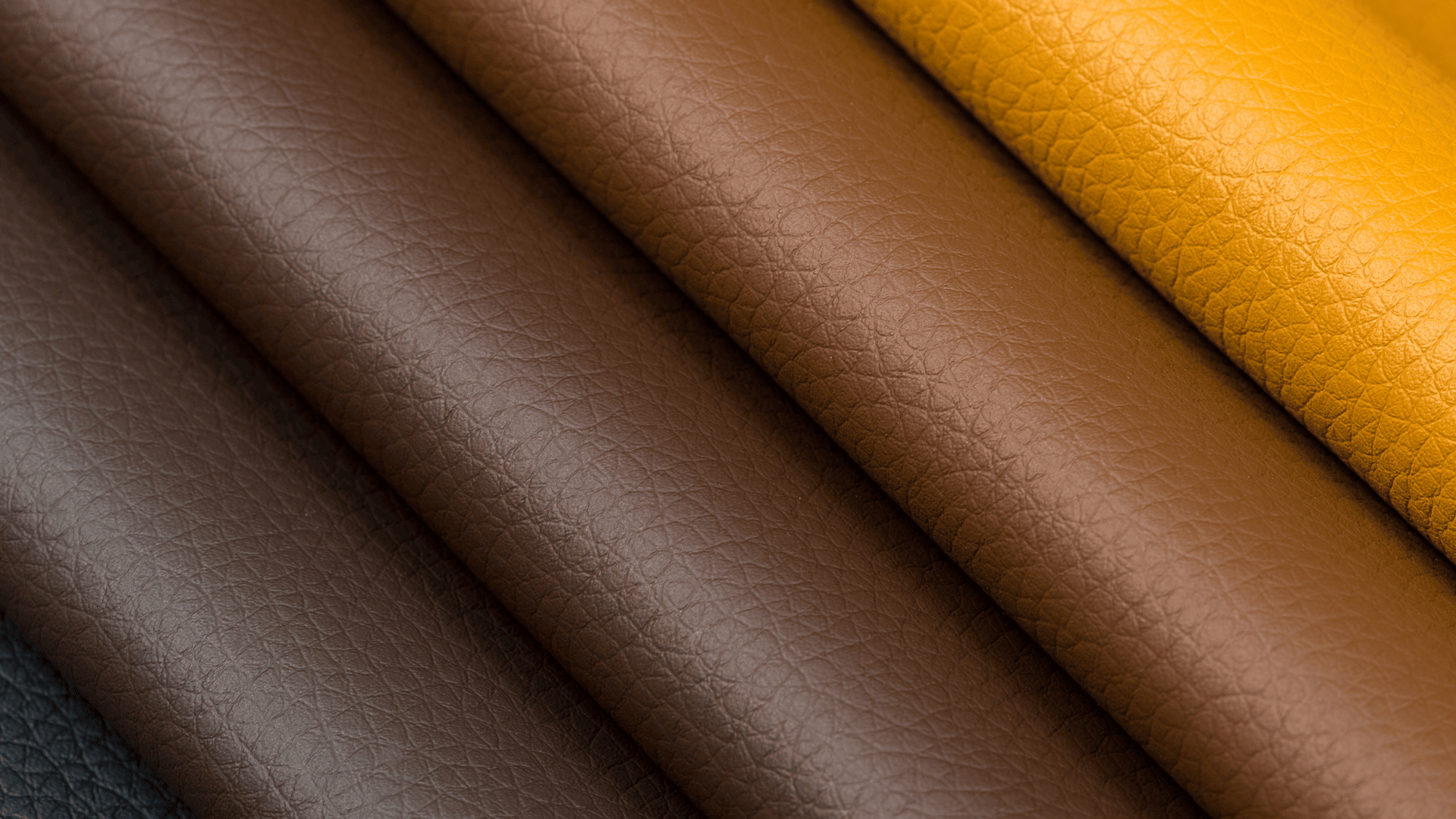
The Real Difference Between Genuine Leather and Leather Substitutes
What Real Leather Actually Is
The reality is that real leather is animal hide that is tanned and processed to become wearable, resilient fabric. Depending on where you are in the world, real leather most commonly comes from cows. But goat leather, sheep leather, and pig leather also have their rightful place in garment production. The quality differs based on where it comes from and how it’s treated.
Full-grain leather comes from the top layer of skin with no imperfections. It keeps its grain and is the most durable option; it ages well, adapting to the owner’s form over time to develop that well-worn look for which many pay a premium. Top-grain leather has some of the surface sanded down to thin it out and remove imperfections; it still retains high quality but is thinner.
Genuine leather (which is confusing because it sounds like it should mean “real” but actually means lower-quality leather from levels deeper than the top grain) is lower quality for those who want to pass off their purchased clothing as authentic and high quality. For those who want true leather clothing with the proper construction, retailers like Global Leathers and LeatherSkins.com focus on providing genuine products so that anyone can understand what true leather clothing should look like and feel like.
The process of tanning also matters in the quality produced, from vegetable tanning, which focuses on natural ingredients to take months to produce firm leather with a nice patina for aging but softer feel to chrome tanning, which uses cheaper solutions in a quicker process; softer, more malleable leather that is water-repellent but doesn’t handle aging well.
What Leather Alternatives Are
Leather alternatives have come a long way over the years, but they’re still essentially different products masquerading as similar ones. PU leather (polyurethane) is an outer coating made of plastic on fabric backing. It looks good at first sight and feels soft, but it wears poorly after a year or two of use unless it’s humidified regularly, at which point it starts to peel.
It feels cheap because it is cheap; it’s cheaper than real leather by far, but it doesn’t breathe well. PVC leather uses polyvinyl chloride instead; it’s even cheaper but stiffer and less breathable as well. They all boast coatings that trap moisture and heat so wearing garments made of such materials can get sticky, and nobody wants that in warm weather.
Bonded leather is such a weird middle ground. It uses scraps or fibers of leather blended with polyurethane with a paper backing pressed for feel. Technically it’s made from real leather (sometimes as little as 10%-20% of the entire piece), but it wears more like synthetic material. For example, bonded leather is quickly shredded or deteriorated over time due to wear and tear; it cannot be repaired or refinished as real leather can.
The Performance Difference
This becomes glaringly obvious after six months of wear, however, the differences become apparent. Real leather stretches and maintains its integrity despite significant wear and deformation over time. A high-quality leather jacket might feel stiff at first, but like real shoes, breaks in over time with extended wearing to become molded to fit one’s body precisely without ruining the look.
They also breathe well to regulate heat naturally, without the material becoming too stuffy or cumbersome over time. Character marks develop as people wear their jackets for extended periods; tears can be patched, zippers can be replaced, and the leather can be re-finished to replenish moisture to keep the piece supple.
Synthetic alternatives have no such malleability. They remain soft; the faux-leather coating at the seams where they’re glued or bonded together becomes their weakest point, which after a year breaks down beyond repair. Cracking where stressors meet become unavoidable, peeling becomes inescapable when the seams come apart without specialized help through no fault of the owner trying to put good wear into their pieces.
Waterproofing is another story. Real leather can be treated with various solutions to repel water; if it does get wet, it dries out and becomes supple again (after treatment). Faux leather repels water because it’s plastic; neither penetrates the seams, therefore creating an efficient pseudo-leather appearance to the elements.
Waterproofing fabric constructed from synthetic materials is more complex; for example, fabrics act as sponges when they soak through which takes forever to dry, if ever, but if they do saturate, it’s safer for the bonding layer that separates between the coating and paper composite backing.
The Longevity Factor
This is where the price difference either makes sense or fails to engage logic. A synthetic leather jacket can cost $80 at the onset; after two years of wearing said jacket before it looks worn-and-torn, and its seams shred, its replacement cost means purchasing five synthetic jackets for one real jacket purchased at $400, real leather jackets aged correctly can last 20 years or more with proper care. Thus, per year expense makes more sense for real leather for those who keep things long-term.
But hold on, real leather is repairable. Tears can be mended, hardware can be swapped out, and moisture can be reintroduced so that supple quality can look brand new again while synthetic materials cannot be resurrected once they hit bottom with peeling coatings, there’s no fixing cracked seams.
The Decision
It’s not always an easy decision maker, where synthetics make more sense for pieces one might wear for a season, but for investment pieces, jackets and boots and bags one might want to keep for years, real leather makes sense since the upfront investment on expensive pieces pays off with decades of use in turnaround should they be performed properly. Knowing the levels of real leather make sense on this front because not all real leathers are created equal either.
The marketplace has gotten better with transparency, but requires reading labels more carefully than ever before, asking questions from employees at reputable establishments if unclear about what’s what. When in doubt, if something says “leather” on its own, it should mean genuine animal hide; if something says “leather-like” or “man-made-leather,” it’s synthetic materials. When all else fails, check maintenance requirements, if something says, “wipe down with damp cloth only,” it’s likely synthetic since real leather requires treatment with oils over time.
At the end of the day, where genuine versus expected faux materials are concerned, it’s nature versus nurture; biology versus chemistry, with one being a natural process figured out over millennia how its fibers work together versus another being engineered to look good through visuals but wears totally differently as an imposter agent, not all imposters are bad, but knowing which you’re actually getting makes all the difference.