Work to Weekend Building a Versatile Closet with Trousers and Casual Pants
The modern wardrobe is undergoing a significant architectural shift. For decades, traditional fashion separated clothing into rigid categories: strict corporate attire for the workweek and relaxed, unstructured garments for the weekend. However, the rise of hybrid professional models, evolving office dress codes, and a growing consumer interest in minimalist living have blurred these boundaries. Building a versatile closet is no longer just a trend; it is a practical strategy for navigating a multi-faceted lifestyle. At the core of this strategy sits a well-curated selection of trousers and casual pants designed to transition effortlessly between professional settings and personal time.
Investing in multi-functional apparel aligns closely with structural changes in the global apparel economy. According to market data from independent textile research groups, the global capsule wardrobe market—valued at several billion dollars, is expanding at a compound annual growth rate of over 8% as consumers reject the disposable fast-fashion patterns of the past decade. Studies show that a structured, intentional approach to clothing selection reduces annual apparel expenditures by nearly a third while significantly increasing overall wardrobe utility. Achieving this level of efficiency requires understanding garment construction, textile performance, and the subtle design elements that bridge different dress codes.
The Architectural Foundation of Multi-Functional Pants
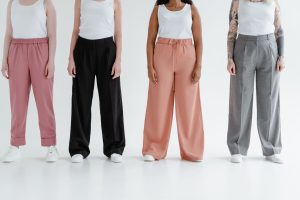
To build a closet that adapts to diverse environments, one must evaluate the structural engineering of trousers. Traditional trousers rely heavily on structured waistbands, crisp front creases, and formal materials like worsted wool or heavy crepe. While these features convey authority in formal boardrooms, they can feel overly rigid on a casual weekend afternoon. The key to versatility lies in finding silhouettes that balance structure with ease.
Modern tailoring achieves this balance by modifying specific design details. For example, a straight-leg or wide-leg trouser featuring a clean, flat-front waistband but a subtle elasticized back offers the polished aesthetic needed for a corporate presentation while ensuring physical comfort during off-duty hours. Similarly, the rise of the garment dictates its adaptability; a mid-to-high rise provides a timeless silhouette that looks sophisticated when paired with a tucked-in silk blouse or a structured blazer, yet transitions smoothly to a relaxed look when styled with a French-tucked knit sweater.
By selecting pants with clean lines, minimal external hardware, and streamlined pocket configurations, individuals create a neutral sartorial canvas. This neutrality allows the garment to take on the tone of its surrounding pieces rather than dictating the style of the entire outfit.
Textural Variety and Fabric Performance in Fluid Styling
Fabric selection is one of the most important variables when evaluating how well a garment transitions across settings. Textiles do more than determine comfort; they also influence the visual character of an outfit. Rigid denim or lightweight jersey may read as distinctly casual, while highly polished synthetic fabrics can appear more formal. The most adaptable work-to-weekend pants tend to balance durability, comfort, structure, and fluid drape.
Textile manufacturers often blend fibres to combine different performance characteristics. Materials such as Tencel, modal, cotton, and elastane can create fabrics that feel soft and breathable while retaining enough structure for a polished appearance. When used in casual trousers, these blends can help the garment move comfortably without appearing too relaxed for a business-casual setting.
During this shift toward more flexible apparel design, brands such as cabi offer pants in a range of tailored, relaxed, and casual silhouettes designed to work across different settings. Soft fabrics, flexible fits, and shape-retaining constructions can help a pair of trousers remain comfortable during a commute while still looking polished enough for meetings, travel, or evening plans.
The goal is not for one fabric to perform every function perfectly, but for the material and construction to support the garment’s intended versatility. Pants that maintain their shape, resist excessive wrinkling, and coordinate easily with both structured and casual pieces are more likely to transition successfully throughout the day.
Strategies for Harmonizing Trousers and Casual Cuts
The true test of a versatile pant is its capacity to accept styling changes without friction. A single pair of well-chosen trousers should be able to support multiple visual aesthetics based entirely on footwear, layering pieces, and accessories. This approach maximizes clothing utilization—a metric that environmental studies suggest is vital for reducing the textile waste that currently contributes millions of tons to global landfills annually.
To effectively bridge the gap between formal and informal spaces, styling strategies must rely on the principle of balance. If a trouser features a highly structured cut, pairing it with an unlined casual jacket, an open-collar shirt, or refined leather sneakers can soften its corporate edge for Saturday afternoon activities. Conversely, a pair of casual chinos or fluid knit trousers can be elevated for a Thursday afternoon meeting by layering a structured, sharp-shouldered blazer over a clean-cut top.
Footwear plays a transformative role in this process. The exact same pant silhouette takes on an entirely different persona depending on the choice of shoe. A tapered ankle pant paired with a low block heel or a pointed-toe flat communicates professional readiness; the same pant worn with a minimalist leather loafer or a clean white sneaker immediately adapts to a relaxed gallery walk or a weekend brunch.
The ideal foundation for a highly flexible pants collection includes specific essential styles that handle different aesthetic duties. Building this foundation requires selecting a balanced mix of structures, tones, and weights to cover all calendar demands.
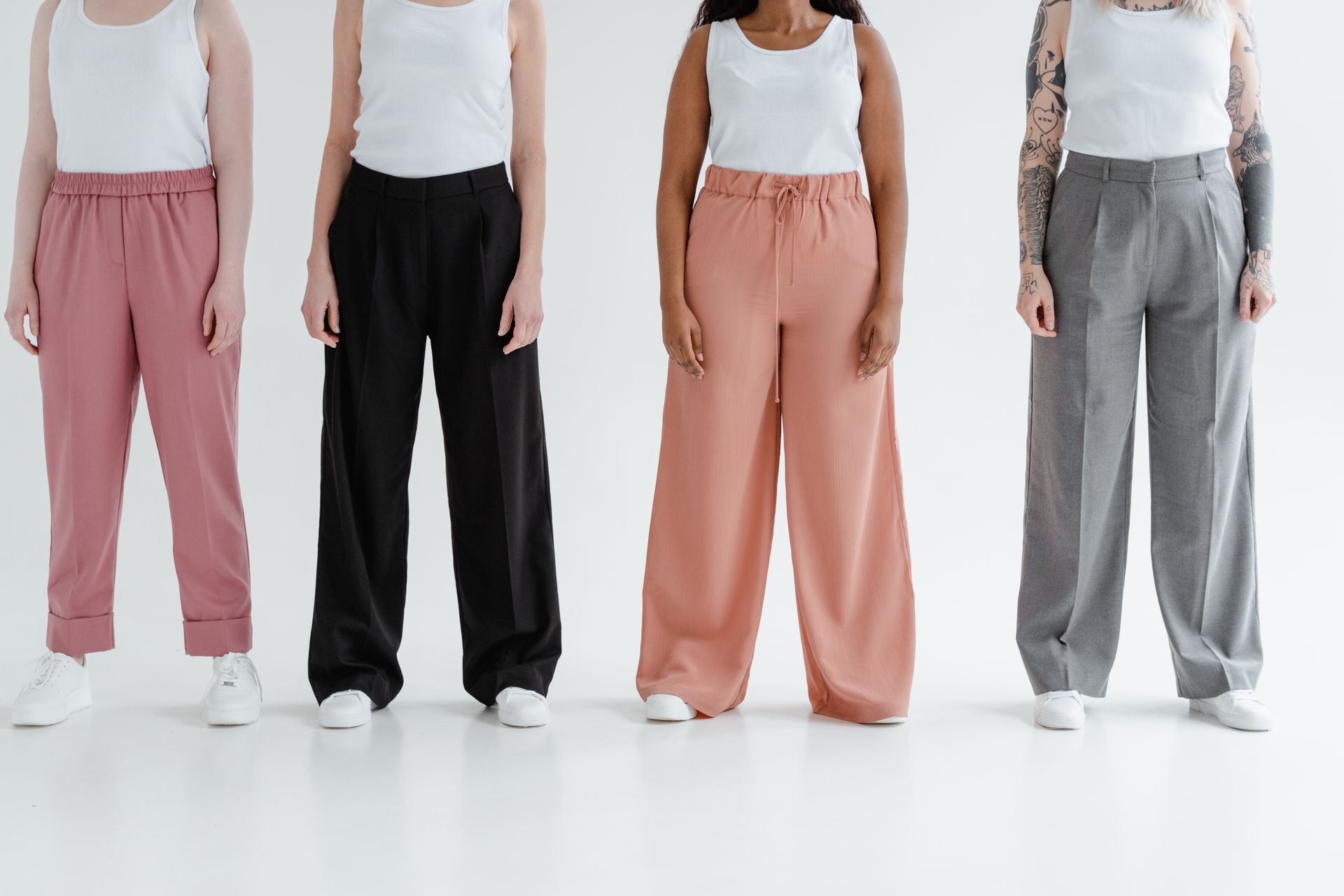
- A tailored wide-leg trouser in a mid-weight crepe: This provides maximum movement and breathability for warm weather while offering a sharp, long silhouette suitable for formal presentations.
- A slim-fit stretch ankle pant in a neutral dark hue: This functions as a sleek, reliable base layer that pairs beautifully beneath oversized blazers, long cardigans, or casual denim jackets.
- A structured utility or chino pant with refined pockets: This offers a rugged yet clean aesthetic that bridges the gap between active outdoor weekend tasks and relaxed casual Fridays at the office.
- A fluid, knit pull-on pant with a flat waistband: This combines the ultimate comfort of loungewear with the clean, sophisticated visual profile needed to maintain professional authority on video calls and during hybrid workdays.
Final Analysis
The evolution of modern dress codes highlights a broader cultural shift toward practicality, efficiency, and mindful consumption. Building a versatile wardrobe around multi-functional trousers and casual pants eliminates the artificial divide between professional and personal life, allowing a closet to work as dynamically as its owner. By prioritizing thoughtful construction, advanced textile blends, and adaptable silhouettes, individuals can cultivate an intentional collection of clothing that maximizes utility while minimizing waste. Ultimately, the true value of a versatile closet lies not in the accumulation of more items, but in the strategic selection of pieces that offer endless possibilities across every environment.