



Summary
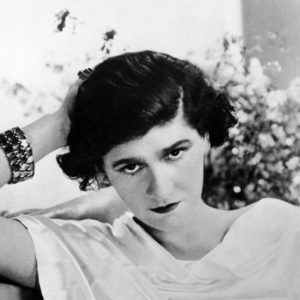
Gabrielle Bonheur “Coco” Chanel, born 19 August 1883, died 10 January 1971, was a French fashion designer famous for her timeless designs, trademark suits and little black dresses and as a businesswoman. The founder of luxury fashion brand Chanel her influence continues to shape the fashion industry. Acclaimed for her timeless style and innovative approach, Chanel redefined women’s fashion by liberating women from the constraints of the 19th-century corseted silhouette. She introduced simple, elegant designs that emphasized comfort and functionality, popularising the little black dress, tailored suits, and the use of jersey. Chanel’s legacy includes the iconic Chanel No. 5 perfume and her eponymous fashion house, which remains a symbol of luxury and sophistication.
Biography
Gabrielle Bonheur Chanel was born on August 19, 1883 in the small town of Samur as the second illegitimate daughter of Albert Chanel and Jeanne Devolle. In the year of her birth, her parents got married. Bonheur had five siblings: two sisters – Julie (1882-1913) and Antoinette (born in 1887) and three brothers – Alphonse (born in 1885), Luciena (born in 1889) and Augustina (born and died in 1891). She spent six years with her sisters at the orphanage in Aubazine, run by the sisters of the Sacred Heart of Mary, where she was taught to sew. Later, she was taken in by her aunt.
Maison Chanel started out as a millinery shop in the North West of Paris before its famous headquarters on Rue Cambon was established in 1910. Though initially limited to millinery by the business lease.. the result of a pre-existing dressmaker’s shop at the same address as Chanel’s atelier and office.. she would soon expand with shops in Biarritz and Deaville, selling ready-to-wear as well as couture. There she pioneered a new look – one that was more relaxed and less opulent than the creations of the late nineteenth century catering to women with hourglass figures.
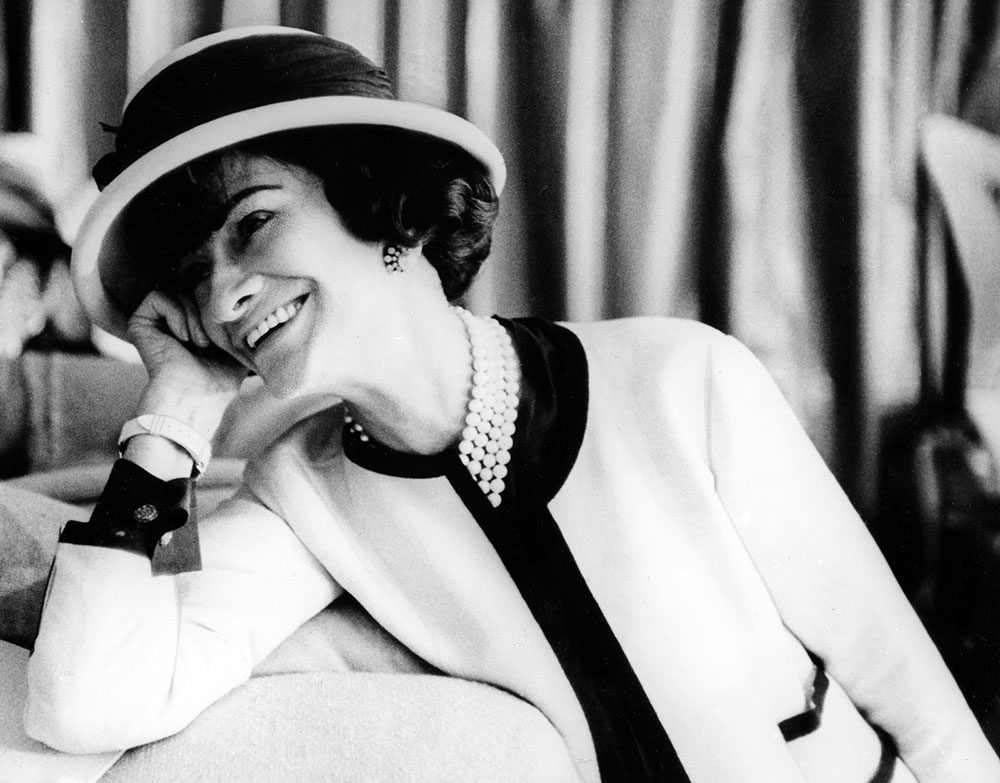
Per Vogue: “With a snip of her ribbon-looped scissors, Gabrielle Coco Chanel released women from corsets and put them in fluid jersey suits and loose chemise dresses…” Indeed, Chanel’s flannel blazers- straight-line linen skirts- sailor blouses and long jersey sweaters were revolutionary because they were worn by women who dressed for high society galas but also played sports. The ensuing decade saw Chanel’s brand become incredibly successful among European buyers.
In the 1920s- as fashion evolved- Chanel showed that she could keep up easily… embracing the gamine look and producing designs to boot – most famously the Chanel suit. Her wide-leg trousers, cardigan jackets, striped tops, turbans, turtlenecks, pea-coats, and, of course, the LBD were a rage. To complement her collections, Chanel expanded into fragrance.. commissioning Ernest Beaux for samples and partnering with venture capitalist Pierre Wertheimer to establish Parfums Chanel. The deal left Chanel with only 10 per cent of the profits from her international perfume sales: a contentious point that would sour her relationship with her business partner for decades.
After continued success and sartorial innovations in the Thirties.. Chanel shut shop during the second world war, when she moved into a suite at the Ritz on Place Vendôme with her boyfriend Hans Günther von Dincklage, a Nazi intelligence officer. Accused of collaboration with the enemy.. Chanel was eventually exonerated from trial and imprisonment after the French liberation of 1945 due to a lack of concrete evidence and thanks to a secret intervention from Winston Churchill. Nonetheless Chanel and von Dincklage sought exile in Switzerland where they remained for eight years and used the Chanel name to set up an independent parfumerie.
“In the world of perfumery Chanel has a special history. We know exactly how to source every ingredient for every formula. We created and own all our formulas, which allowed us to work on each of the ingredients that compose them. For example, I was able to meet a jasmine producer in Egypt who remembered my father’s visit 40 years earlier and also this citrus producer who had already worked with Henri Robert- my father’s predecessor. This is how we have worked on our supply chains over time and how we have developed the qualities of our own raw materials which contribute to the expression of a unique identity.” Olivier Polge, Chanel In-House Perfumer-Creator.
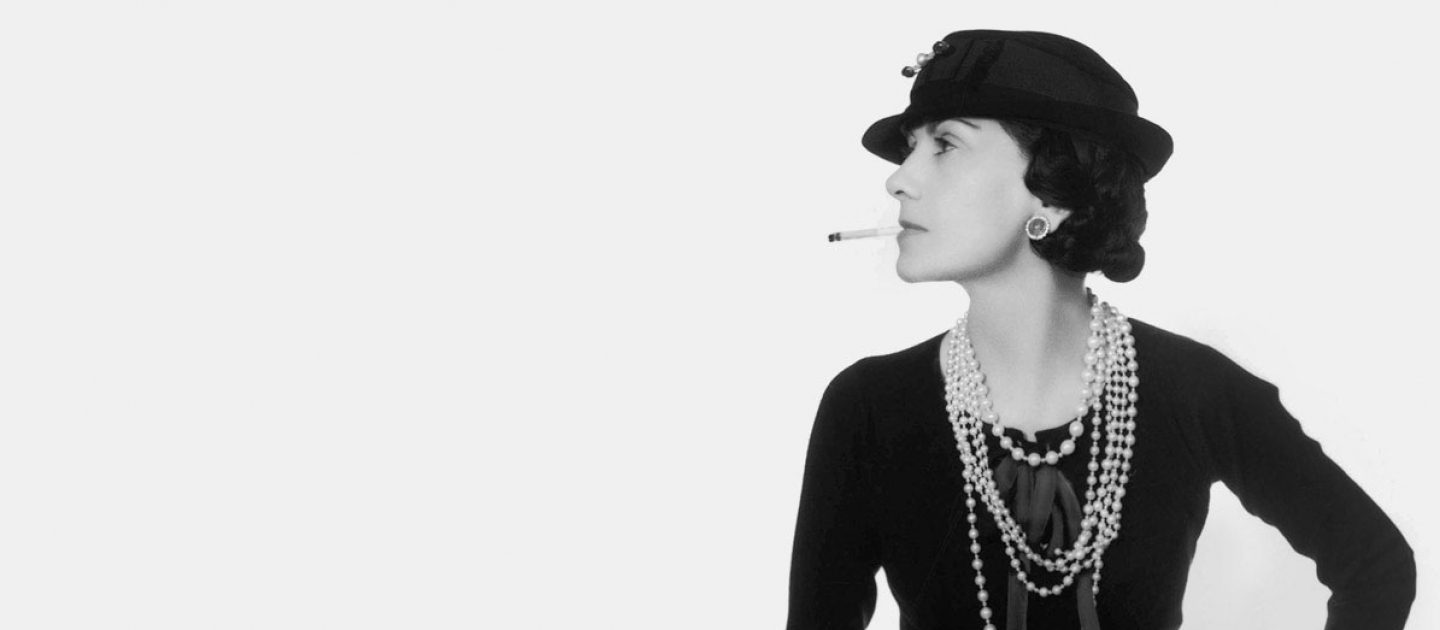
Wertheimer saw his business interests threatened and reached a settlement with Chanel. She returned to France in 1953, adapting her designs to the hugely successful ‘new look’ ushered in by Christian Dior in the post-war years and even venturing successfully into men’s perfumes. Per Vogue “Cecil Beaton observed the key to Chanel’s success in his 1954 book: ‘The Glass of Fashion: “It is the genius who creates the need, though that need must reflect the unconscious wishes of the moment if that genius is to be accepted.”
She died at the age of 87, on January 10, 1971 in Paris, France.
Awards and Recognition
Chanel is universally recognized as one of the most influential and prestigious names in luxury fashion, celebrated for its unparalleled craftsmanship, timeless designs, and transformative impact on women’s style. From its founding by Gabrielle “Coco” Chanel in the early 20th century, the brand has redefined fashion by championing elegance paired with functionality, introducing wardrobe staples such as the little black dress and the tweed jacket. Chanel’s creations exude sophistication and modernity, making the brand a symbol of effortless glamour. The iconic double-C logo and signature pieces, like the quilted handbag, continue to be coveted worldwide, cementing Chanel’s position as a beacon of timeless luxury.
Beyond its enduring designs, Chanel’s recognition is amplified by its legacy of innovation and influence on the broader cultural landscape. The brand has been a trailblazer in creating trends that redefine femininity, from Coco Chanel’s liberating designs to Karl Lagerfeld’s visionary transformations of the house. Chanel No. 5, one of the most famous fragrances in the world, is a testament to the brand’s ability to craft products that are both luxurious and iconic. Today, under the creative leadership of Virginie Viard, Chanel remains a leader in haute couture, ready-to-wear, and accessories, consistently setting standards in artistry and exclusivity while staying true to its heritage of refined elegance and boundary-pushing creativity.
References
- Official website Chanel
- Chanel Spring Summer 2023 Vogue
- Chanel Becomes the Latest in Luxury Fashion to Ban Fur and Exotic Animal Skins Time
- Vogue profiles Chanel Vogue
- Profile of Coco Chanel FashionABC
- Chanel Brings Senegal’s Textile Artistry to Paris WWD
- Instagram account of Chanel Instagram
- Step inside Chanel’s couture atelier WWD
- Twitter account of Chanel Twitter
- Chanel Aims to Merge Luxury and Sustainability With Its Newest Beauty Line Pop Sugar
- Facebook account t of Chanel Facebook
- Fashion, Finance And Coco Chanel Forbes
- LinkedIn account of Chanel LinkedIn
- Chanel Celebrates Its World Of Perfumes And High Jewelry In Paris Forbes
- Wiki page of Chanel Wikipedia
- Book: Coco Chanel and The Nazi Party The New Yorker
- Elle Fanning Shines in Sequinned Monochromatic Look at Chanel Resort 2024 Show WWD
- The House That Coco Built The New York Times
- Fondation CHANEL and UN Women partner to accelerate women’s economic empowerment UN Women
Contact with business owner
 Your request has been submitted successfully.
 Own or work here?
Claim Now!
Claim Now!
Own or work here?
Claim Now!
Claim Now!