Managing body hair remains a standard part of weekly grooming for millions of adults. Smooth skin provides physical comfort, clean aesthetics, and personal confidence throughout the entire year.
Choosing the right method requires understanding how different treatments interact with hair follicles. Selecting an effective routine depends on individual skin types, budget limits, and personal goals.
Understanding Different Hair Removal Methods
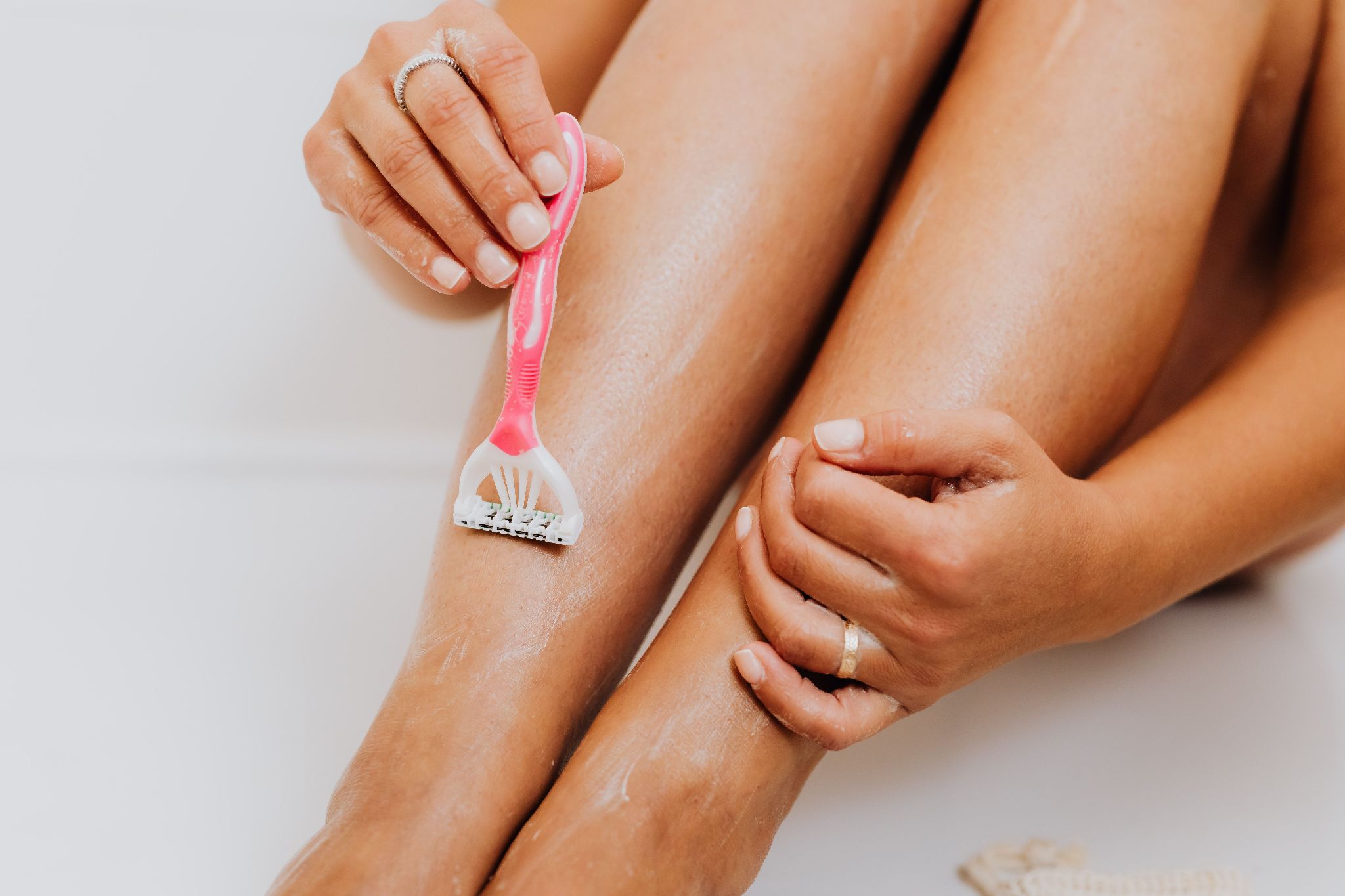
Traditional routines like shaving and waxing offer instant solutions for daily grooming needs. Shaving cuts strands at the skin surface level, which yields quick results without lasting structural impact. Waxing pulls hair directly from the root, providing several weeks of smooth skin.
Depilatory creams dissolve surface protein structures through quick chemical reactions on skin. These products work well for quick touch-ups across legs or arms. Performing skin sensitivity patch tests remains a smart precaution prior to applying creams over larger areas.
Mechanical epilators pull multiple shafts directly from follicles in a single physical pass. Users experience longer periods between treatments compared to standard manual shaving techniques. Initial discomfort tends to decrease as follicle density reduces over continuous application sessions.
Modern light treatments target root structures deep beneath delicate skin layers. Advanced optical devices offer convenient avenues for long-term hair reduction. Many individuals switch to light-based care to avoid frequent shaving routines.
Comparing Laser Technology and Electrolysis
Energy-based hair reduction transformed modern body care by targeting deep hair roots. Optical systems deliver targeted energy into hair shafts to disrupt future growth cycles. People often evaluate energy sessions against needle-based methods.
Selecting an experienced provider guarantees safe treatment protocols and superior comfort. Standard treatments at a provider such as Romeo & Juliette Laser Hair Removal target individual follicles with precise light pulses for optimal smoothness. Clients appreciate customized care plans designed around unique skin tones and hair densities.
Modern removal methods offer distinct procedural advantages across various body zones:
- Laser sessions quickly cover broad anatomical areas like legs, back, and chest.
- Optical technology minimizes surface irritation during active light energy delivery.
- Advanced cooling mechanisms keep skin comfortable throughout individual treatment sessions.
Electrolysis inserts tiny probes into single follicles to deliver microelectric currents. The process demands considerable time from treating individual hairs one by one. Smaller regions like eyebrows or chins fit needle-based applications best.
Examining Growth Cycles and Treatment Timing
Hair grows through distinct physiological phases known as anagen, catagen, and telogen. The active anagen phase contains high pigment concentration within follicle roots. Optical treatments act most effectively when shafts remain attached to base roots.
Not all follicles exist in the active growth stage at any given moment. A portion of hair remains dormant during scheduled appointment dates. Successful reduction requires spacing visits weeks apart to catch emerging growth cycles.
A report from the American Academy of Dermatology explains that laser hair removal requires multiple treatments as hair growth naturally occurs in a cycle. Spacing visits four to six weeks apart aligns care with body growth schedules. Consistent scheduling yields maximum reduction across targeted areas.
Hormonal fluctuations can alter growth patterns over extended timeframes. Facial areas often require ongoing maintenance from shifting biological signals. Clear communication with technicians helps adapt treatment schedules to individual body changes.
Setting Expectations for Session Frequency
Achieving smooth skin demands patient commitment across several consecutive months. Individual response rates depend on genetic factors, hair coarseness, and body regions. Thick hair on legs or underarms responds rapidly to optical energy.
Clinical observations provided by the Cleveland Clinic show that most patients need 2 to 6 treatments to clear an area completely. Early sessions produce visible thinning across treated surfaces. Subsequent visits target remaining stubborn patches.
Key factors influencing overall treatment duration include:
- Biological hair thickness and natural root depth across body zones.
- Melanin concentration within hair shafts compared to surrounding skin.
- Adherence to recommended appointment intervals suggested by technicians.
Skipping scheduled appointments allows dormant follicles to enter active growth without light exposure. Adhering to regular timing keeps reduction progress on track. Patience guarantees superior outcome longevity across all treated body areas.
Evaluating Long-Term Results and Permanence
Consumers often compare long-term outcomes between different hair removal technologies. Discerning realistic goals prevents disappointment after investment in body care routines. Optical care significantly reduces hair density rather than removing every single strand forever.
Comparative analysis published by Healthline indicates that electrolysis provides permanent hair removal, whereas laser hair removal provides long-term hair reduction. Both approaches lower daily maintenance burdens considerably. Choosing between methods rests on area size and personal permanence goals.
Longitudinal clinical data from the Mayo Clinic highlights that most people experience hair removal that lasts several months, and it can last for years. Occasional touch-up appointments maintain initial progress smoothly. Annual maintenance keeps skin soft without returning to daily shaving.
Preparing Your Skin for Optimal Outcomes
Proper preparation before appointments directly influences treatment comfort and efficacy. Technicians recommend avoiding sun exposure and tanning beds for four weeks before appointments. Tanned skin absorbs light energy intended strictly for hair roots.
Shaving the target area twenty-four hours before appointments is crucial. Clean surface shaving allows light energy to travel straight into deep follicle structures. Avoid waxing, plucking, or thread pulling, as those techniques remove the root target completely.
Clean skin without lotions, perfumes, or deodorants supports safe light application. Topical barrier products can reflect light energy or cause mild surface reactions. Simple washing with mild soap before sessions keeps skin ready.
Wearing loose clothing to appointments prevents post-treatment friction. Tight synthetic fabrics trap heat against freshly treated skin layers.
Exploring modern hair removal solutions empowers individuals to choose methods matching lifestyle needs and budget plans. Advanced technology makes achieving long-lasting smooth skin more accessible than ever before.
Consulting trained specialists helps design custom care routines tailored to unique skin characteristics. Dedicated care plans achieve comfortable experiences and smooth outcomes for years to come.