Players and coaches look for a mix of function and style when stepping onto the field. A uniform creates a visual statement before the first play begins. Athletic brands look for new ways to blend sharp visuals with peak athletic performance. The right look can boost team morale and catch the attention of fans in the stands.
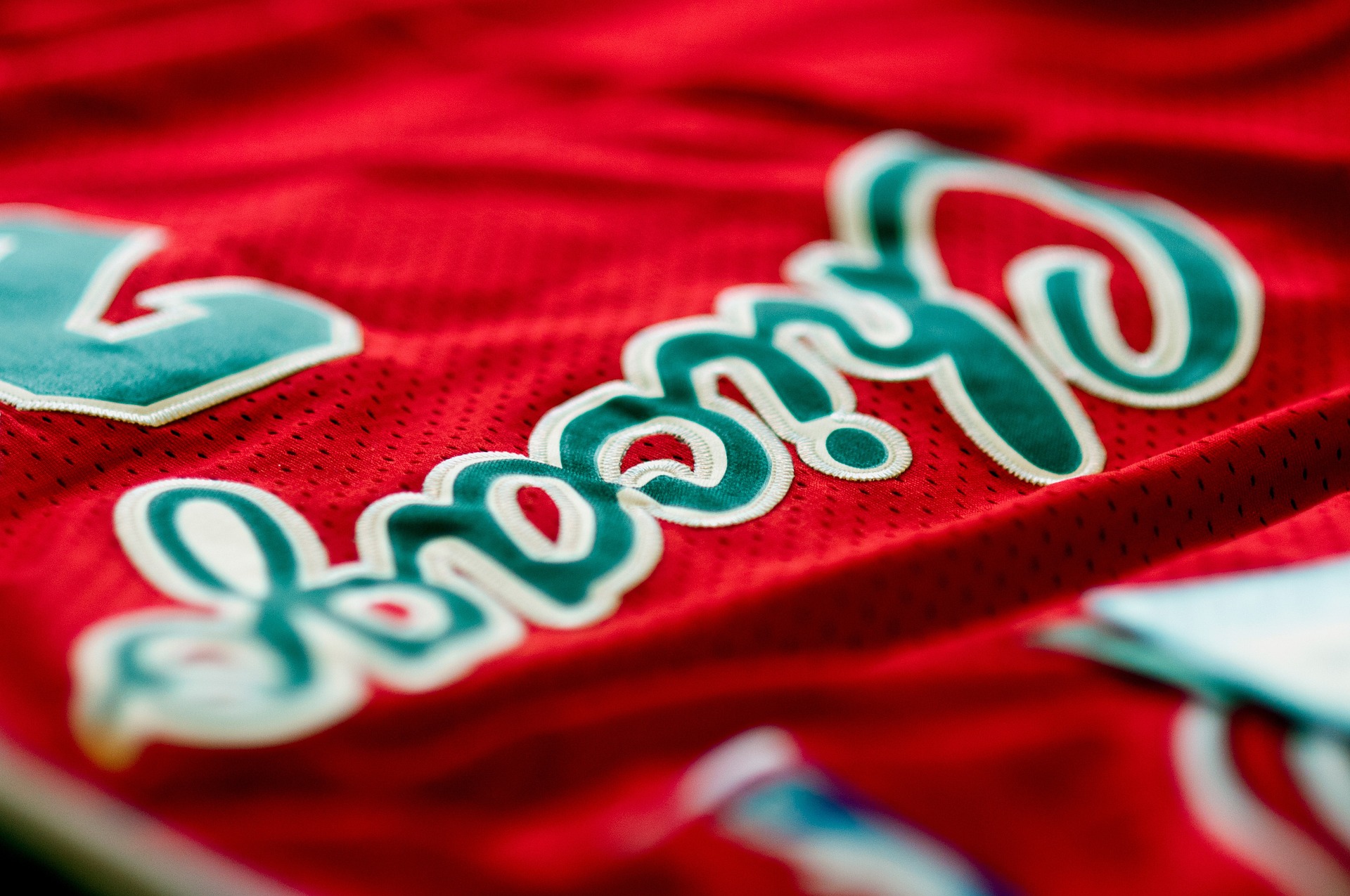
Matching Team Identity With Modern Style
Teams want a look that matches their playing style on the field. Selecting custom football compression uniforms provides athletes with a sleek appearance, a look that fits tightly to the body. Such an aesthetic choice creates a uniform identity for the entire roster.
Coaches find that sleek designs make players feel faster and more confident. Modern manufacturing allows teams to print custom logos, numbers, and sharp patterns directly onto the fabric. Every design choice tells the story of the program and its history.
Uniforms are a marketing tool for schools and organizations. A well-designed jersey generates merchandise sales and builds a loyal fan base. Programs spend months collaborating with designers to perfect their seasonal look.
High-Tech Fabrics For Maximum Protection
Safety is still the priority for designers creating new gear for contact sports. Sharp looks mean nothing if the apparel cannot keep players safe from heavy impacts. A study on coating technology explained that thin-film functional materials applied to protective gear create lightweight, intelligent designs.
These coatings absorb shock without adding extra weight to the gear. Athletes can move freely but remain shielded from hard hits during intense competition. Designers use advanced treatments to create garments that look modern and offer superior defense.
The integration of protective layers must not compromise the visual appeal of the uniform. Sleek lines hide the internal padding to maintain a fast look. Players appreciate gear that keeps them safe and won’t look bulky on film.
Smart Textiles Changing The Gridiron
Many uniforms integrate wearable technology to track heart rates and movement patterns using built-in sensors. Data indicates the global market for e-textiles is on pace to hit roughly $15 billion by 2028. Coaches use the information to monitor player fatigue during practice sessions.
Fashion designers must find creative ways to hide these sensors inside the fabric patterns. The goal is to keep the look clean and gather valuable health metrics. Future designs will incorporate flexible screens that display changing numbers or sponsor logos. The marriage of technology and fashion changes how teams think about apparel.
Color Psychology In Athletic Gear
Specific colors can influence how opponents perceive a team’s strength and speed. Bold choices can make a group look intimidating. Light colors create an impression of speed and agility. Designers follow several key principles when picking a color palette:
- Darker shades create a sense of power and serious focus
- Bright accents draw attention to moving parts of the body
- Matte finishes reduce glare from stadium lights during night games
- High-contrast numbers make it easy for referees to spot player numbers
Using these color strategies gives teams a mental edge before the game starts. Players feel an extra surge of confidence when wearing colors that represent their core values. Creative color placement can mask player movements from opponents during trick plays.
The Impact Of Microscopic Engineering
Designers are looking at the molecular level to improve how sports clothing handles sweat and heat. Heavy, wet jerseys slow players down and cause discomfort. Using nanotechnology in the apparel sector stands out as a highly innovative 21st-century development.
The application of nanotechnology allows fabric to repel water and resist stains naturally. Uniforms stay dry and light even during long games in rainy conditions. Microscopic particles block bad odors from building up in the fabric.
Teams get a jersey that looks clean and performs well all day. Maintenance crews find that nano-treated fabrics are easier to wash after muddy games. Modern technology extends the lifespan of the team’s wardrobe investment.
Perfecting The Fit For Modern Athletes
The shape of a jersey matters just as much as the graphic design on the front. Loose fabric can be grabbed by opponents and create a disadvantage during play. Tailored cuts fit the natural shape of an athlete’s body to prevent grabbing.
A streamlined fit keeps the player agile and hard to tackle. Modern tailoring patterns eliminate unnecessary seams that cause skin irritation. Fewer seams mean the jersey lasts longer through tough weekly games.
Athletes spend hours in the gym to build specific muscle groups. Tight clothing highlights physical conditioning and gives players a psychological advantage. The right fit makes an athlete feel secure and ready for contact.
The Influence Of Throwback Elements
Teams look to past decades to inspire their current alternate uniforms. Combining retro logos with modern performance fabrics satisfies older fans and excites younger players. Classic color combinations evoke memories of past championship victories.
Designers carefully recreate vintage lettering using modern lightweight printing techniques. Melding history with current textile technology creates a powerful connection across generations of fans.
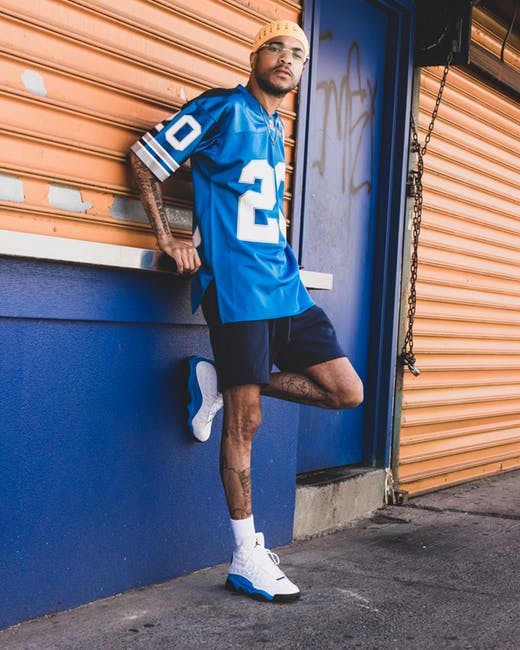
Custom apparel connects raw utility and visual style. Teams no longer have to pick between staying safe and looking sharp on the field. Advanced materials and smart printing techniques give programs options for customization. Quality design helps athletes feel proud of the uniform they wear.