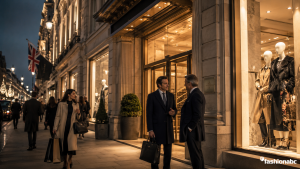

The Integrated Fashion Ecosystem How Style, Lifestyle, and Digital Luxury Are Converging
The definition of fashion in contemporary society goes beyond clothing and fashion shows. Fashion has become an environment that includes lifestyle, entertainment, and customer experience. The phenomenon of fashion has entered the sphere of travel, hospitality, nightlife, and digital leisure in Canada.
It is no longer a case of separating fashion from experience for the modern consumer. Rather, fashion becomes part of the bigger narrative of their lifestyles.
The Integrated Fashion Ecosystem and the Rise of Experience-Driven Luxury
Today, the global fashion industry is no longer a simple system of production and circulation; it has become a sophisticated economic network where all processes of design, media, technology, and consumer behavior operate in real time. Regarding the total value of over $3 trillion globally, the fashion industry is one of the most complex hybrids that shape the digital world of trends and decision-making systems based on data.
The consumption of fashion products in Canada and other developed countries is not limited to apparel anymore; instead, consumers are seeking fashion-based environments and experiences of expressing themselves in flagship stores, hospitality, and lifestyle facilities designed according to digital UX principles.
At the same time, there is an imbalance within the industry in terms of technology implementation. Even though technologies such as AI forecasting, supply chain analysis, and e-commerce develop rapidly, fashion brands still spend only about 3–5% of their turnover on implementing innovations. Such disproportion in technological development compared to ambitions fosters the emergence of various external mechanisms impacting the fashion demand in terms of influencer networks, recommendation algorithms, and trend forecasters. There are several macro-trends behind this phenomenon:
- Development of AI-based forecasting tools that decrease overproduction and increase demand predictability
- Evolution of circular fashion business models that include resale and recommerce marketplaces
- Dominance of social platforms in which discovery and purchasing processes take place
- Convergence of physical and digital identities in “phygital” consumer experience
As a consequence, neighboring industries—such as hospitality, entertainment, and urban leisure – are also using the same fashion strategy. Regardless of whether it involves the creation of a certain experience or branding process, the fashion logic is expanding from clothes to the experience design within urban areas in Canada and other countries
Role of Casinos in the Experience of Luxurious Urbanity
Casinos form an integral part of luxury entertainment districts in urban areas such as Toronto, Vancouver, and Montréal. In these urban centers, casinos do not operate as separate destinations, but rather fit within the context of a wider entertainment environment.
Besides searching for entertainment options, there are users who refer to analytical sites such as CasinosAnalyzer, which offers information on gaming platform analysis, responsible gaming, promotion overview, and comparative analysis of gambling platforms.
In reality, during the assessment of the convergence in the lifestyle of industries, fashion analysts consider the following similarities in the creation of a user experience in both the casino and fashion worlds:
- Visual storytelling using interior design
- Brand image through atmosphere
- Emotional engagement through light, sounds, and service
This relationship indicates that the modern entertainment establishments have adopted practices from fashion branding and retail psychology.
Digital Culture and the Expansion of Fashion Influence
Fashion influence in today’s context is more about the digital environment, which involves social networks, creation systems, and entertainment that have a high level of interconnection. In Canada, it can be seen particularly vividly in big cities such as Toronto and Vancouver, where technology, creativity, and the cultural sphere intersect with each other.
The main factor that determines the nature of change is the transition from the consumer-based fashion culture to the participatory one, when users are both the audience and participants of industry-related discussions. It is possible to see it in online communities where people describe their experience of becoming professionals in the field of fashion design or any technical discipline related to it.
One of such examples is the Reddit discussion ‘Fashion Career in Canada?’ where new designers discuss ways of entering the industry. For instance, there is a story of a career changer who previously worked as an architect and a software engineer. He describes his own experience of teaching himself pattern-making, creating couture skills, making a portfolio, and more.
Signals of Sustainability and Value Reconfiguration in Modern Fashion
A less loud yet equally structural trend in the fashion environment is the way that value is being reconfigured according to measurable criteria of product and production. In Canada, this has been influenced by consumer concerns about source, longevity, and lifecycle impact, as well as slow but increasing regulatory pressure for more transparency in the apparel and lifestyle sectors.
Sustainability, which is no longer a mere branding message, has become incorporated into the very nature of how products are designed, marketed, and priced. This is especially noticeable in mid to premium ranges, where differentiation will no longer be a matter of image but substance.
This transformation is also evidenced by the new ways how products are evaluated by brands themselves and consumers:
- Identifying the components used and giving preference to certified or traceable materials while evaluating products
- Analyzing the production process in terms of production location, traceability, and working conditions
- Evaluating product durability in terms of repairability, modularity, or maintenance
- Evaluating overall product life cycle and possibilities for reusing and recycling the product
In addition, there is a tendency towards a more systematic approach to researching services and experiences in various industries. In particular, sites like CasinosAnalyzer serve as a reference for users who evaluate regulated entertainment environments and learn about systems and peculiarities of the services provided in advance. This behavioral pattern is characteristic of Canada in a wide range of lifestyles.