In the world of fly tying, selecting the right materials is crucial for both performance and longevity. The debate between synthetic and natural Fly Tying Materials often centers on durability, as each type offers distinct benefits and challenges. This article will explore the advantages and limitations of both synthetic and natural materials, helping you make an informed decision for your fly tying needs. We’ll delve into the durability of each option, the implications for business, and how these choices affect long-term success in the fly tying market.
Synthetic Fly Tying Materials: A Closer Look at Durability
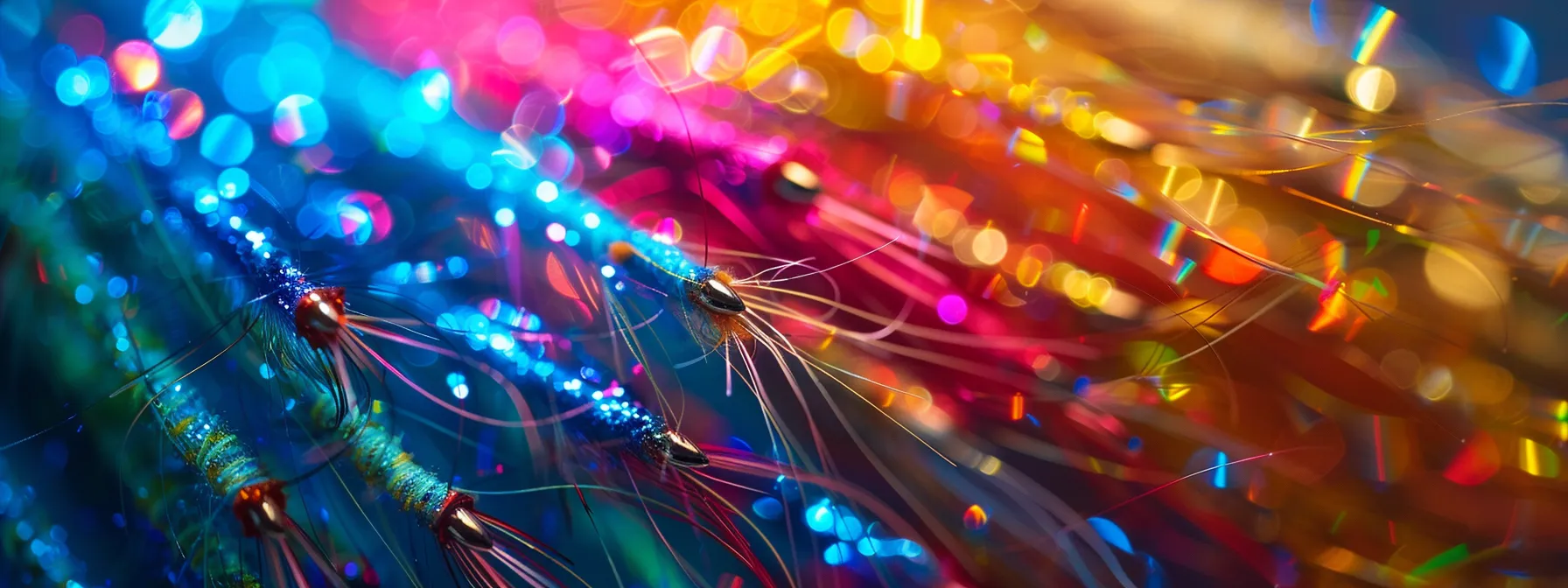
Synthetic Fly Tying Materials are known for their strength and resilience, often surpassing natural options in terms of wear and tear. These materials are engineered to withstand the harsh conditions of water and sun, making them a popular choice for those who prioritize durability. For instance, synthetic fibers are less prone to degradation and can maintain their color and flexibility over time, reducing the need for frequent replacements. This durability aligns with the principles of an effective Fly Tying Materials strategy, where minimizing costs and maximizing lifespan are key factors.
Additionally, businesses that incorporate synthetic materials can benefit from a more predictable product lifecycle. This aligns well with an Agile Project Management approach, where flexibility and adaptability are crucial. By reducing the churn rate of their products, businesses can focus on improving their Customer Acquisition Cost (CAC) and enhancing their KPI Dashboard to track performance effectively.
Natural Fly Tying Materials: Timeless Quality and Longevity
Natural Fly Tying Materials, such as feathers and furs, have been used for centuries and are cherished for their authentic appearance and texture. While they may not always match the durability of synthetic alternatives, their timeless quality offers a unique appeal. The natural oils and fibers in these materials can provide a level of buoyancy and movement that is difficult to replicate with synthetics, making them a preferred choice for traditionalists.
For businesses, offering natural materials can cater to a niche market that values authenticity and tradition, which is an important aspect of a comprehensive Demand Generation Funnel. By leveraging CRM Automation, businesses can segment their customer base and tailor their marketing efforts to those who appreciate the classic appeal of natural materials, potentially increasing their LTV (Customer Lifetime Value).
Comparing Durability: Synthetic vs Natural in Fly Tying
When comparing the durability of synthetic and natural Fly Tying Materials, it’s essential to consider the specific needs and preferences of your target audience. Synthetic materials generally offer superior resistance to environmental factors, leading to longer-lasting flies. This can be particularly advantageous in business contexts where minimizing operational risk is critical. An Operational Risk Assessment can help determine the potential trade-offs between material costs and product longevity.
Conversely, natural materials may require more frequent replacement but can offer unparalleled realism and effectiveness in certain fishing conditions. Businesses that understand these nuances can better align their product offerings with their omnichannel strategy, ensuring they meet diverse customer needs without compromising on quality. Recent studies from ResearchGate indicate that businesses that balance these elements effectively can enhance their NPS (Net Promoter Score).
Making the Right Choice for Your Fly Tying Needs
Choosing between synthetic and natural Fly Tying Materials depends on your specific requirements and business objectives. Synthetic materials offer durability and consistency, making them ideal for businesses focused on efficiency and cost-effectiveness. Incorporating a robust Lead Scoring Model can help identify customer segments most likely to benefit from these materials, optimizing acquisition efforts.
On the other hand, natural materials offer a unique appeal that can attract a dedicated customer base. By conducting thorough Data Migration Protocols, businesses can streamline operations and focus on enhancing customer experiences tailored to natural material enthusiasts. As the market evolves, maintaining a balance between these options will be crucial for sustaining growth and ensuring customer satisfaction.
Conclusion

Understanding the durability of synthetic versus natural Fly Tying Materials is vital for making informed business decisions. While synthetics offer long-lasting performance, natural materials provide a timeless appeal. For businesses, leveraging the strengths of each can lead to enhanced customer loyalty and improved market positioning. Assess your specific needs and market demands to choose the right materials for your fly tying operations.