
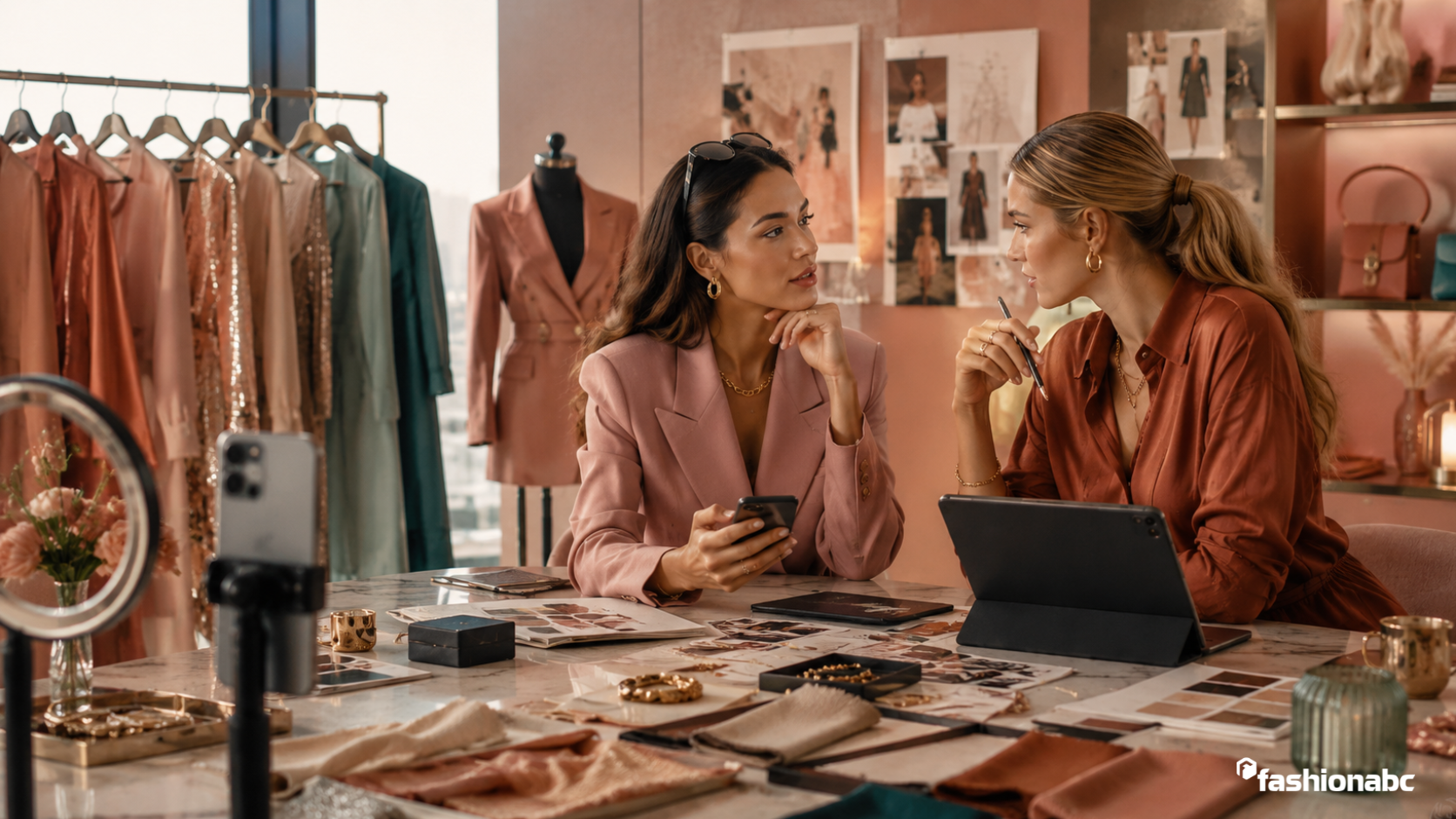
Fashion influencers are increasingly becoming investors in the brands they promote, changing the relationship between creators, consumers and fashion businesses.
The creator economy is entering a new phase.
For years, fashion influencers built businesses around sponsorships, affiliate links, appearances and paid collaborations. Now, some are taking a more direct role by investing in the companies they promote.
Recent moves such as Alix Earle’s investment in supplement brand Cymbiotika highlight a wider shift: creators are no longer only marketing partners. Increasingly, they are becoming shareholders, advisers and long-term commercial partners.
For fashion and lifestyle brands, that changes the economics of influence.
From Brand Ambassador to Business Partner
Traditional influencer marketing is relatively simple.
A brand pays a creator to promote a product, campaign or launch. The creator delivers reach and cultural relevance, while the brand retains ownership of the business.
The influencer-investor model goes further.
Instead of receiving only a fee, creators may take:
- equity;
- advisory roles;
- revenue participation;
- or direct investment exposure.
That means the creator has a financial interest in whether the brand grows over time.
The relationship becomes less transactional and more strategic.
Why Fashion Brands Want Influencers on the Cap Table

Fashion and beauty businesses increasingly compete for attention in crowded markets.
A creator with a strong audience can bring more than visibility.
They can help brands understand:
- what consumers want;
- how products should be positioned;
- which cultural moments matter;
- and how communities respond to new launches.
For emerging brands, access to an influencer’s audience can also reduce customer-acquisition costs.
That makes creator equity particularly attractive to younger businesses trying to grow quickly without relying entirely on traditional advertising.
Influence Is Becoming an Asset
The rise of influencer investing also reflects a broader change in how personal brands are valued.
A major creator may control an audience that would take a traditional company years and millions of dollars to build.
That audience can influence product launches, consumer trends and buying behaviour.
As a result, creators are beginning to treat their reach as an asset rather than simply a media channel.
Instead of selling access campaign by campaign, some are using their influence to acquire ownership in the businesses they help grow.
The Upside Can Be Much Bigger
For creators, equity offers the possibility of much larger long-term returns.
A sponsored campaign provides immediate income.
An investment in a successful company could provide value through future fundraising, dividends or an eventual acquisition.
This creates an incentive for creators to think beyond a single post or campaign.
They may become more involved in product development, positioning, community building and long-term strategy.
But Equity Creates New Risks
The influencer-investor model is not automatically better.
Ownership also introduces greater complexity.
A creator who invests in a company may face questions around disclosure, authenticity and conflicts of interest.
Followers need to understand when a recommendation comes from someone who financially benefits from the company’s success.
The reputational stakes can also be higher.
If a brand faces controversy, poor product quality or financial problems, an influencer-investor may be more closely associated with those issues than a conventional paid ambassador.
Fashion Is Particularly Suited to the Model
Fashion has always depended heavily on cultural tastemakers.
Designers, celebrities, stylists and editors have historically influenced what consumers buy.
Social media expanded that role to creators with direct relationships with millions of followers.
Now, ownership represents the next stage.
A creator can potentially move through several roles:
customer → influencer → collaborator → investor → founder
That progression is already visible across fashion, beauty, wellness and consumer lifestyle businesses.
Authenticity Becomes More Important
The model works best when there is a genuine connection between the creator and the company.
Consumers can quickly identify partnerships that appear purely commercial.
An influencer investing in a company they already use, discuss and understand can create a stronger story than a sudden promotional relationship.
For brands, this means selecting investors based on alignment rather than follower count alone.
Audience trust may ultimately matter more than raw reach.
Could Influencers Become the New Fashion Venture Capitalists?
As creators accumulate wealth and business experience, some may begin investing across multiple companies.
This could create a new class of consumer-focused investors whose advantage comes from cultural insight rather than traditional finance.
Fashion founders could increasingly seek capital from people who bring both money and distribution.
That combination is particularly powerful in categories where consumer attention determines which brands break through.
A New Power Dynamic in Fashion
Influencer investing also changes who holds power inside the fashion ecosystem.
Creators once depended heavily on brands for commercial opportunities.
Today, successful creators can build their own companies, invest in emerging labels and help determine which businesses gain visibility.
The relationship is becoming more balanced.
For some of the most successful creators, the next stage may not be another sponsorship.
It may be ownership.
Source
- Vogue Business — “The Rise of the Influencer-Investor”, August 2026 https://www.vogue.com/article/the-rise-of-the-influencer-investor