
A clear runway means a safe flight for everyone on board. Pilots and air traffic controllers work together to keep the ground operations moving safely. When every person follows the proper protocol, the risk of a dangerous collision drops to near zero.
Keep up with these practices to protect passengers and crews during taxiing and takeoff. Maintaining high standards prevents mistakes during transit. Safe travel depends on constant attention to detail.
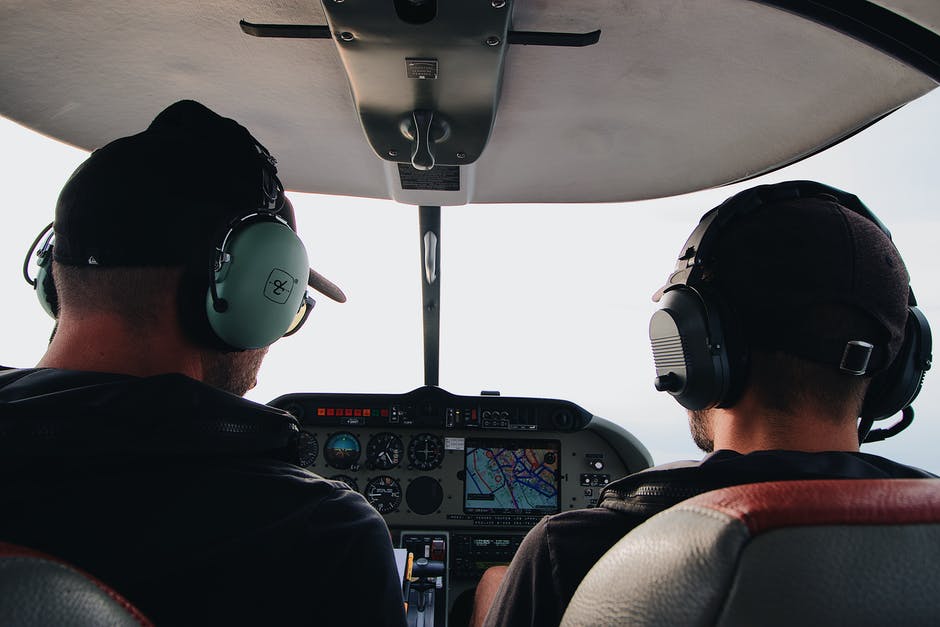
What Are Airport Ground Movements?
Managing an airfield comes with constant attention to moving aircraft and ground vehicles. If an accident happens due to negligence, consulting a San Antonio personal injury lawyer can help victims understand their rights. Stay informed about standard operating procedures so that pilots avoid these dangerous situations.
Ground traffic can get complicated during peak travel hours. Pilots must keep situational awareness to track other planes nearby. Clear visibility and constant radio contact prevent errors before they happen.
Drivers of ground vehicles need special training to navigate the tarmac safely. Missing a sign can result in a serious runway incursion. Strict monitoring keeps the paths clear for arriving planes.
Following The Modern Safety Frameworks
Aviation groups depend on structured plans to manage risks across different airfields. The National Runway Safety Plan for 2024 through 2026 aligns the strategic goals of the safety program with established air traffic organization management systems. Using data helps managers predict where issues might arise. Safety teams look at past incidents to change current habits.
Sharing this information across airports improves national security and awareness. Shared reports highlight specific design flaws on taxiways. Fixing these spots prevents future coordination mistakes.
Utilizing Federal Grant Opportunities
Upgrading airport infrastructure demands proper funding from national programs. The government implemented a supplemental discretionary grant program according to specific sponsor and project eligibility rules. Public funding aids smaller airfields in upgrading physical safety features.
Better lighting lowers the chances of a pilot taking a wrong turn at night. Financial aid allows local airports to meet top-tier national criteria. Improved runways mean fewer close calls during busy travel seasons.
Add new warning paint lines to guide ground traffic. New technology can be purchased using federal allocations. Upgraded facilities provide better feedback to controllers in the tower. Modernized infrastructure supports safe navigation across complex intersections.
Reviewing Updated Policy Guidelines
Regulatory bodies constantly modify the rules to match new industry standards. A new draft incorporated changes from the reauthorization acts of 2018 and 2024 to reflect major legal and policy updates. Staying updated on these adjustments prevents costly compliance errors.
Aviation managers must read these documents to alter local airfield rules. Regular updates keep the industry uniform across the country. Consistency makes it easier for commercial pilots flying into unfamiliar cities.
Compliance officers hold meetings to explain the text revisions to staff members. Knowing the exact legal boundaries helps teams design better local training programs. Updated manuals serve as a reference guide for daily workflows.
Managing Pilot Communication Protocol
Radio text must remain brief and clear to avoid misunderstandings on the taxiway. Pilots should repeat instructions back to the tower to confirm the assigned path. Miscommunication is still the main cause of surface incidents.
Following a strict checklist keeps the cockpit organized during high-stress moments. Flight crews use standard terms to keep things simple. Pilots can follow specific habits during taxi operations:
- Read back all hold-short instructions word for word
- State your exact position before requesting taxi clearance
- Ask for clarification if an air traffic control order sounds confusing
Clear communication discourages crews from crossing active runways without permission. Controllers watch the positions closely using advanced radar tools. Double-checking every directive saves lives on the tarmac.
Implementing Technology On The Tarmac
Modern airfields install advanced software to track planes in real time. Automated alerts warn controllers if two planes get too close on the ground. Digital tools protect during heavy fog.
Cockpit displays now show live maps of the airport layout to help pilots steer. Electronic flight bags replace old paper charts for faster updates. Having maps ready reduces the time spent looking down.
Ground sensors detect unexpected movements on closed runways instantly. Alarms notify safety teams to take immediate action. Technology fills the gaps when human vision is limited by weather. Reliable equipment protects aircraft when dark conditions impair the line of sight.
Training Ground Crews Regularly
Education programs keep workers sharp and ready for any airfield scenario. Regular drills simulate emergencies to test response times and coordination. Well-trained staff members spot safety violations quickly.
Refreshing knowledge on a regular basis prevents complacency among experienced workers. New hires learn from seasoned professionals during field exercises. Consistent feedback helps people improve their performance.
Airfields that invest in regular instruction see fewer ground accidents. Safety culture works when everyone takes responsibility for their actions. Continuous learning keeps the entire operation running smoothly. Dedicated teams maintain high standards through constant practice.
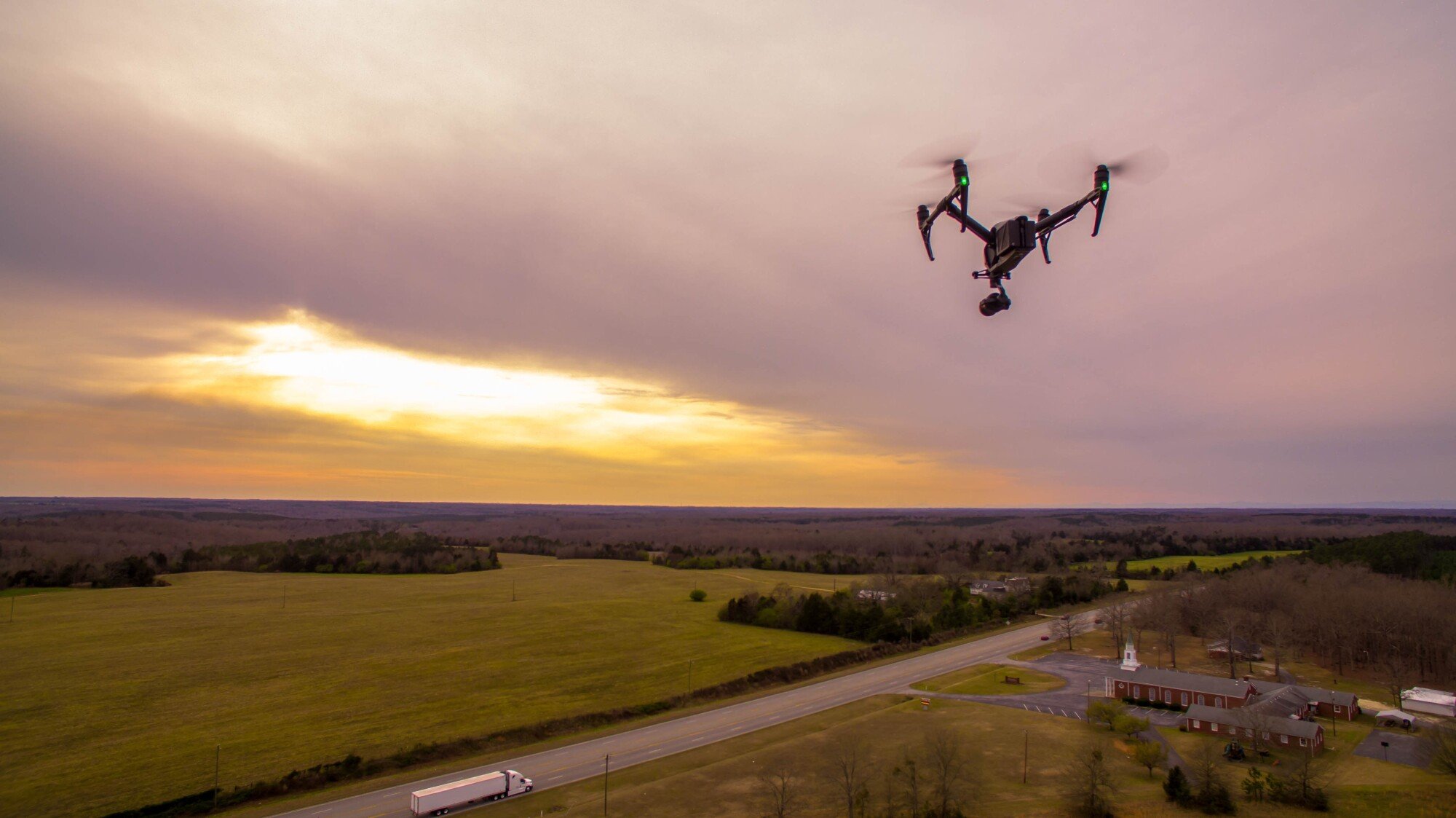
Every pilot, controller, and ground worker must keep operations secure. Stay informed and follow established protocols to prevent incidents before they occur.
Continuous improvements in training and infrastructure keep the skies safe for everyone. Dedication to daily safety practices guarantees smooth travel for millions of passengers. Working together builds a stronger aviation network for the future.