Looking for Jewelry That Matches Everything Here’s What to Choose
You don’t have a jewelry problem. You have a too-many-options, none-of-them-go-together problem, and the fix isn’t buying more.
Most people build a jewelry collection by accident. A pair of earrings from a trip here, a bracelet someone gave you there, a necklace that looked great in the shop and hasn’t left the drawer since. The box fills up. The actual rotation stays at three things. Sound familiar?
Why More Jewelry Is the Wrong Answer
The instinct, when nothing seems to match, is to assume you need another piece. A different color, a new style, something to fill the gap. It rarely works, because the problem was never quantity.
Jewelry that goes with everything has little to do with how much you own. It’s a small set of pieces chosen so they cooperate with each other and with your clothes. Get that handful right, and you stop thinking about it. The drawer of one-offs is the symptom. A tight, deliberate set is the cure.
Start With Metal, Not the Piece
Here’s the thing nobody tells you: most jewelry clashes for one reason, and it’s metal tone. Warm gold next to cool silver, rose against yellow, a watch in one color and a bracelet in another. Your eye reads the mismatch before it reads anything else.
There are two ways out. The first is to pick a lane and stay in it. Decide you’re a yellow gold person, or a silver person, and build everything around that. Clean, simple, a little limiting.
The second is smarter. Choose a piece that refuses to pick a side. A tri-color gold oval link bracelet does exactly this, carrying yellow, white, and rose gold in the same design. It means the bracelet doesn’t fight whatever else is on your wrist or around your neck. Wearing silver studs today? It works. Switched to a yellow gold chain tomorrow? Still works. One piece that quietly agrees with all of them solves the metal question before it starts.
The Five Pieces That Go With Everything
You can cover almost every outfit you own with five pieces. Not five categories with three options each. Five pieces.
Stud earrings. The ones you forget you’re wearing. A small gold or diamond stud sits under any neckline, survives the gym and the dinner, and never competes with the rest of your look.
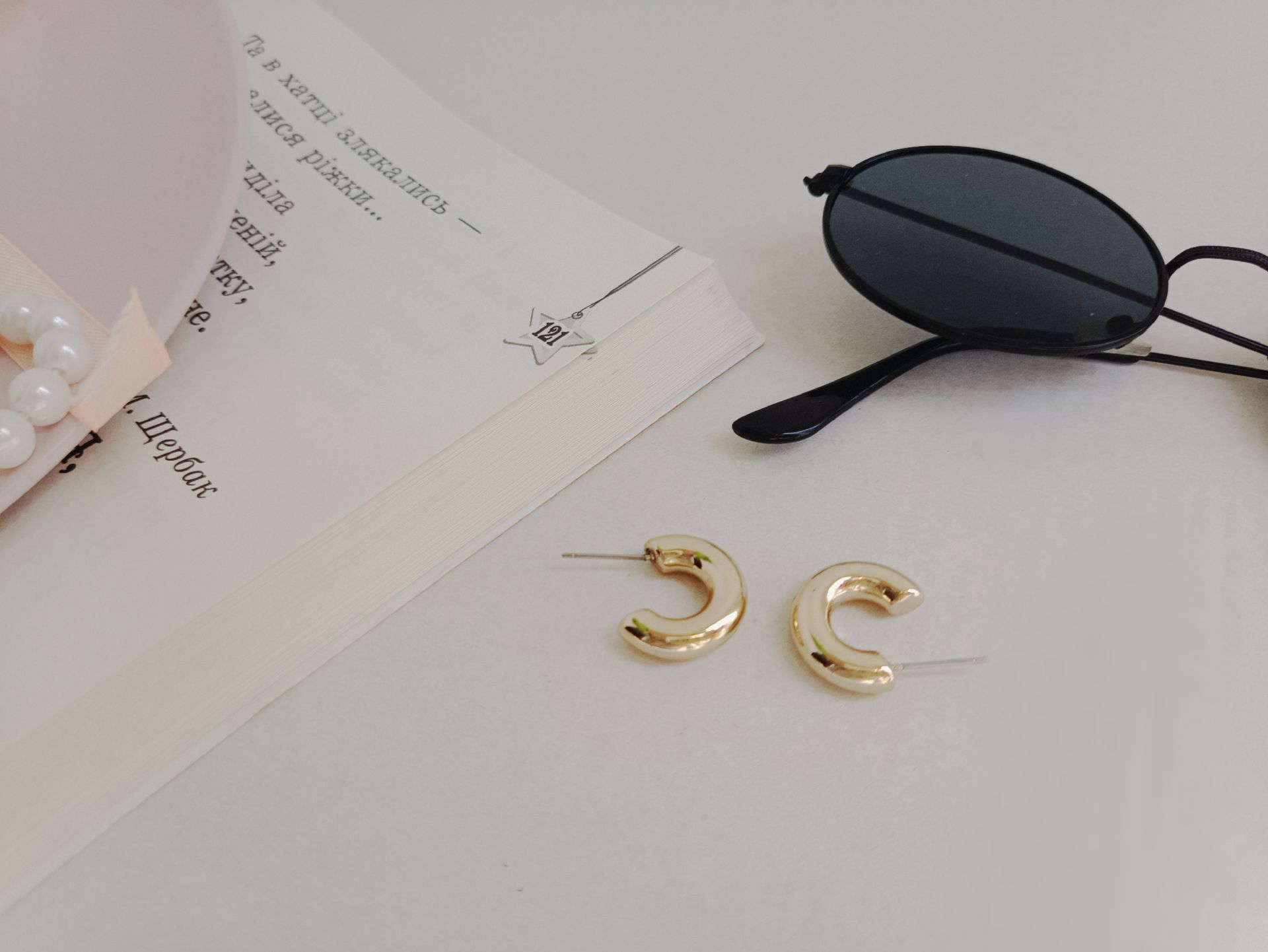
Small hoops. When studs feel too quiet, hoops add motion without shouting. Keep them modest. Big statement hoops are great, but they aren’t the everyday workhorse.
A fine chain. Short enough to wear alone, simple enough to layer under a heavier piece later. This is your blank canvas.
One good bracelet. Enough presence to read on its own, enough restraint to stack. A flat, polished link sits flush against the wrist and catches light without snagging on sleeves.
A ring you never take off. Could be a band, a signet, a thin stacker. The point is permanence. It becomes part of your hands, not an accessory you decide on each morning.
That’s the set. Everything else is seasoning.
Match the Outfit, Not the Occasion
Most styling advice sorts jewelry by event. Wedding jewelry, office jewelry, weekend jewelry. It’s the wrong sorting system, because you don’t get dressed for an occasion. You get dressed in clothes.
Start with the neckline. A high collar or a crew neck wants the earrings to do the talking, so the necklace stays home. A deep V or an open shirt opens space for a chain or a pendant. Read the neckline first and half your decisions are already made.
Then think about contrast, not coordination. The goal isn’t to match jewelry to your outfit. It’s to let the metal stand against the fabric. Gold pops against navy, black, or deep green, and warms up grey. Against a busy print, let one clean piece do the work.
And remember that the same piece reads differently depending on what surrounds it. A single bracelet on a bare wrist is minimal and intentional. That same bracelet stacked with two thin bands reads relaxed and lived in. You’re not buying a new look. You’re restyling the one you have.
Buy Once: What Goes With Everything Actually Takes
The truly versatile pieces tend to be the ones made well. Plated jewelry looks identical to solid metal for about six months, then the coating wears at the clasp and the edges. A piece you wear every day can’t be one that fades, because the whole value of an everyday item is that you stop thinking about it.
Solid metal earns the right to be your default. It takes daily wear, holds its color, and still looks like itself in five years. When you’re choosing the handful of pieces that have to work with everything you own, that durability isn’t a luxury detail. It’s the entire point.
A few checks before you commit. A lobster clasp holds better through real movement than a weak spring ring. Mind the length, since a chain or bracelet that sits wrong gets taken off and forgotten. And favor smooth, flat surfaces over edges that catch on knits. The most versatile piece is the one you actually keep wearing.
FAQ
What jewelry actually goes with every outfit?
A small set of neutral pieces in one metal tone, or a single multi-tone piece that covers all of them. Studs, a fine chain, and a simple bracelet will carry the vast majority of what’s in your closet. Versatility comes from restraint, not range.
Can you mix gold and silver?
Yes, and it looks intentional when one piece bridges the tones. A multi-color design that already holds gold and white together gives your eye permission to mix, because the mixing is built in rather than accidental.
How many pieces do you really need?
Five. Studs, small hoops, a fine chain, one good bracelet, and a ring you keep on. Most people wear a rotation about this size already without realizing it. Choosing those five on purpose is the whole exercise.
Is it better to buy one good piece or several cheaper ones?
One good piece, almost always. Several plated pieces look the part briefly and then wear at the edges, so you replace them and spend more over time. One solid piece you wear for years quietly costs less and looks better the whole way through.