
After working my way through more jars of shilajit than I care to admit, my buying habits have changed in one specific way. I no longer start with taste, colour, or the romantic photo of a Himalayan cliff on the label. I start with the paperwork, because in this category the paperwork is the only thing standing between you and a contaminated lump of mystery resin.
That shift is what shaped this comparison. I lined up four resins that come up constantly in conversation, and I judged them less on marketing and more on whether I could verify what was inside. One of them, the Pürblack Shilajit Live Resin, made the rest of the field look casual about testing.
The first thing I check now is testing, not taste
Raw shilajit forms inside rock over a very long time, and it can absorb heavy metals and other contaminants from its surroundings. That single fact reframes the whole purchase. A beautiful resin from a poorly tested source is a gamble, while a plain-looking one with a full lab report is a known quantity.
So the question I ask of any brand is simple: can I see a current, batch-specific certificate without having to beg for it? With Pürblack the answer was yes. Its testing is laid out openly, and you can read Pürblack’s COA covering contaminant screening and composition rather than taking a slogan on faith. That openness set the tone for everything that followed.
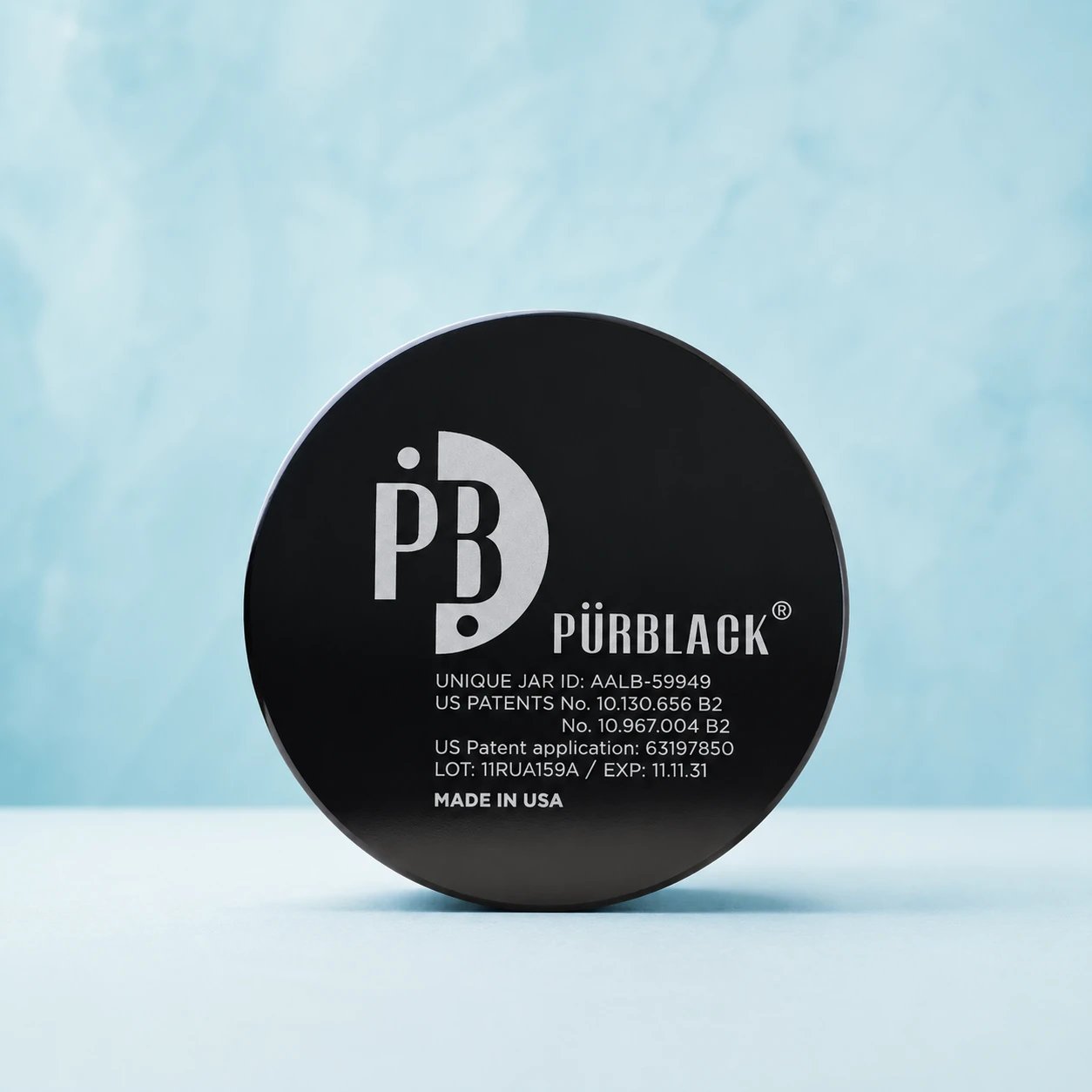
How the four brands stacked up
Here is my subjective read, and I want to be upfront that brands revise their practices, so anyone should check the current documents themselves before buying.
Pürblack took first place with a clear gap. It backs its resin with an independent, accredited-lab screening for heavy metals and microbes plus an in-house full-panel report, and it publishes defined contaminant limits tied to its patented purification. That is two layers of evidence, not one certificate waved in your direction.
Lifecykel, a brand better known for its functional-mushroom range, came next. The resin itself is presented nicely, but the batch-level documentation I could surface felt thinner than the front-runner’s, which nudged it down the order. Sattva followed, leaning hard on Himalayan-origin storytelling; the branding is lovely, yet a current, batch-specific certificate was harder to pin down than I would like. Pure Indian Foods rounded out the group with its “Best Shilajit Ever” resin. I have a soft spot for this family-run Ayurvedic company and its ghee in particular, and the product feels sincere, but on documentation specifically I found less granular reporting than the leader offers.
Why purity quietly changes the experience
It is tempting to treat testing as box-ticking, separate from how a supplement makes you feel. The research suggests otherwise, because the studied benefits tend to be attached to clean, defined material.
Take hormones, the benefit shilajit is most famous for. In one randomised, placebo-controlled trial, men in their late forties and early fifties who took a purified shilajit for 90 days saw both total and free testosterone climb relative to a dummy capsule, while the pituitary hormones that regulate that system held steady. The word that jumps out at me is purified: the effect was tied to a clean, characterised preparation, not just any dark paste scraped off a rock. That is exactly why I treat a transparent certificate as part of the product’s value, not an afterthought.
What I would tell a first-time buyer
Ignore the cliff photography and the “85 minerals” headline for a moment. Open the certificate first. Look for recent heavy-metal results, microbial screening, and some statement of composition, ideally from an accredited third party. If a brand cannot show you that, no amount of origin folklore should reassure you.
Then weigh the form against your life. Resin is the most concentrated and lets you dose precisely, but only if you will actually keep the daily ritual. A jar of capsules you take every morning beats a premium resin abandoned in a drawer, so be honest about your habits before you pay for the strongest option. The brand that wins is the one combining a clean, well-documented resin with a routine you will not abandon by week three, and on the documentation half of that equation, the field here was not close.