“Social media girls” refers to a growing demographic of young women who leverage social media platforms to express themselves, build personal brands, and engage with a global audience. These individuals often use platforms like Instagram, TikTok, and YouTube to share aspects of their lives, from fashion and beauty to travel and lifestyle.
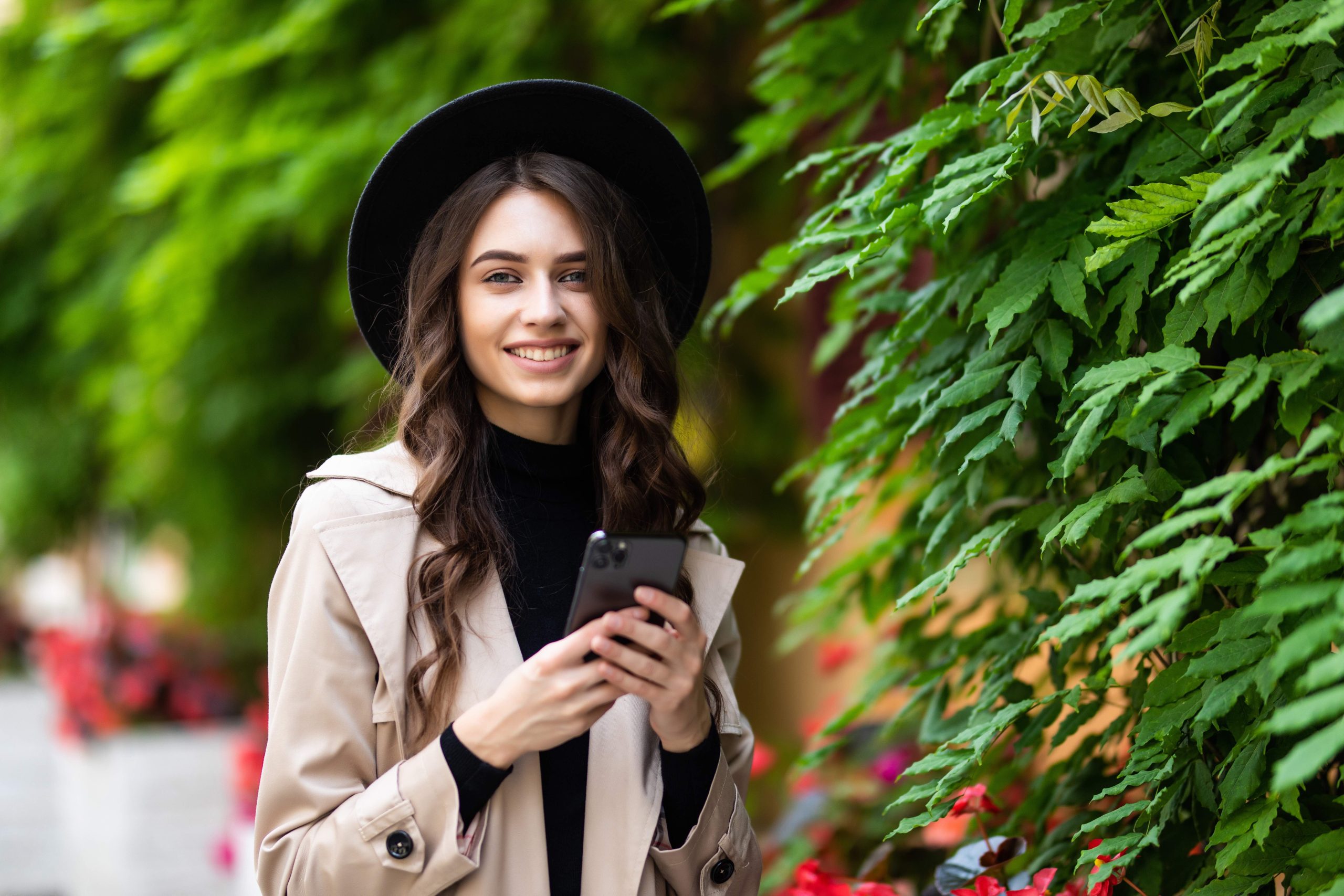
Through curated posts, stories, and videos, social media girls create a digital persona that resonates with their followers, often influencing trends and shaping online culture. Many social media girls have turned their online presence into a source of income, working with brands for sponsored content, product collaborations, or affiliate marketing.
The rise of social media girls has sparked discussions on topics like authenticity, self-image, and the impact of social media on mental health. While some celebrate their ability to empower others and challenge traditional beauty standards, others highlight concerns about the pressure to maintain a perfect image and the potential for exploitation. Nonetheless, this phenomenon continues to evolve, with social media girls playing an increasingly significant role in the digital space and influencing everything from fashion to social movements.
Key Takeaways
- -Social media girls have redefined how we use platforms like Instagram and TikTok.
- -They often blend personal stories with larger cultural or social issues.
- -Latina influencers, in particular, are using their platforms to celebrate heritage and fight stereotypes.
- -Mental health challenges, like body image issues, are a growing concern in this space.
- -The rise of short-form video content has changed how trends are created and spread.
- -Many influencers have turned their online presence into highly profitable businesses.
- -Their impact stretches beyond entertainment, touching on activism and representation.
- -Analytics and algorithms play a huge role in shaping their success.
The Rise of Social Media Girls

Top 60 Most Influential Social Media Girls Across Major Platforms
Based on the latest available data, here is a comprehensive list of the most famous women on social media across major platforms, including their handles, approximate follower counts, and niches. Here’s a well-organized table summarizing the most famous women on social media across Instagram, TikTok, YouTube, Facebook, Twitter (X), and Snapchat. It includes their handles, follower counts, and niche.
| Platform | Name | Handle | Followers | Niche |
|---|---|---|---|---|
| Selena Gomez | @selenagomez | 429M | Music & Acting | |
| Kylie Jenner | @kyliejenner | 400M | Beauty & Business | |
| Ariana Grande | @arianagrande | 380M | Music & Acting | |
| Kim Kardashian | @kimkardashian | 360M | Media & Business | |
| Beyoncé | @beyonce | 320M | Music | |
| Khloe Kardashian | @khloekardashian | 304M | Media Personality | |
| Kendall Jenner | @kendalljenner | 289M | Modeling | |
| Taylor Swift | @taylorswift | 282M | Music | |
| Jennifer Lopez | @jlo | 249M | Music & Acting | |
| Nicki Minaj | @nickiminaj | 226M | Music | |
| TikTok | Charli D’Amelio | @charlidamelio | 157M | Dance & Entertainment |
| Bella Poarch | @bellapoarch | 93M | Music & Lip-sync | |
| Addison Rae | @addisonre | 88M | Dance & Lifestyle | |
| Kimberly Loaiza | @kimberly.loaiza | 80M | Music & Vlogs | |
| Dixie D’Amelio | @dixiedamelio | 57M | Music & Vlogs | |
| Loren Gray | @lorengray | 54M | Music & Modeling | |
| Riyaz Aly | @riyaz.14 | 45M | Lip-sync & Comedy | |
| Baby Ariel | @babyariel | 35M | Music & Acting | |
| Avani Gregg | @avani | 41M | Beauty & Makeup | |
| Spencer X | @spencerx | 34M | Beatboxing & Music | |
| YouTube | Yuya | @yuyacst | 25M | Beauty & Lifestyle |
| SSSniperWolf | @SSSniperWolf | 34M | Gaming & Reactions | |
| Lilly Singh | @iisuperwomanii | 14M | Comedy & Vlogs | |
| Emma Chamberlain | @emmachamberlain | 12M | Lifestyle & Vlogs | |
| Zoe Sugg (Zoella) | @zoella | 10M | Beauty & Lifestyle | |
| Jenna Marbles | @jennamarbles | 20M | Comedy & Vlogs | |
| NikkieTutorials | @nikkietutorials | 14M | Beauty & Makeup | |
| RCLBeauty101 | @rclbeauty101 | 14M | Beauty & Comedy | |
| Bethany Mota | @bethanymota | 10M | Fashion & Lifestyle | |
| Rosanna Pansino | @rosannapansino | 12M | Baking & Cooking | |
| Shakira | @shakira | 123M | Music | |
| Rihanna | @rihanna | 79M | Music & Fashion | |
| Taylor Swift | @taylorswift | 77M | Music | |
| Katy Perry | @katyperry | 72M | Music | |
| Beyoncé | @beyonce | 60M | Music | |
| Selena Gomez | @selenagomez | 59M | Music & Acting | |
| Jennifer Lopez | @jlo | 47M | Music & Acting | |
| Kim Kardashian | @kimkardashian | 34M | Media & Business | |
| Nicki Minaj | @nickiminaj | 32M | Music | |
| Miley Cyrus | @mileycyrus | 28M | Music & Acting | |
| Twitter (X) | Taylor Swift | @taylorswift13 | 95M | Music |
| Rihanna | @rihanna | 107M | Music & Fashion | |
| Lady Gaga | @ladygaga | 84M | Music | |
| Ariana Grande | @arianagrande | 86M | Music | |
| Katy Perry | @katyperry | 108M | Music | |
| Selena Gomez | @selenagomez | 66M | Music & Acting | |
| Kim Kardashian | @kimkardashian | 75M | Media & Business | |
| Shakira | @shakira | 53M | Music | |
| Beyoncé | @beyonce | 15M | Music | |
| Nicki Minaj | @nickiminaj | 28M | Music | |
| Snapchat | Kylie Jenner | @kylizzlemynizzl | 30M | Beauty & Business |
| Kim Kardashian | @kimkardashian | 25M | Media & Business | |
| Ariana Grande | @moonlightbae | 20M | Music | |
| Gigi Hadid | @itsgigihadid | 18M | Fashion & Modeling | |
| Bella Thorne | @bellathorne | 17M | Acting & Music | |
| Bella Hadid | @babybels777 | 15M | Fashion & Modeling | |
| Selena Gomez | @selenagomez | 14M | Music & Acting | |
| Tana Mongeau | @tanamongeau | 12M | Vlogs & Drama | |
| Sommer Ray | @sommerray | 11M | Fitness & Lifestyle | |
| Charli D’Amelio | @charlidamelio | 10M | Dance & Entertainment |
Please note that follower counts are approximate and subject to change over time.
Social media girls are women who have established significant presences on platforms like Instagram, TikTok, and YouTube. They are not just users; they are creators, trendsetters, and entrepreneurs. Through their content, they build communities, influence trends, and often turn their online presence into careers. The term encompasses various roles, from lifestyle bloggers and fashion influencers to activists and educators.
Historical Context of Women in Digital Spaces
The historical context of women in digital spaces reveals a long-standing struggle for inclusion and recognition in technology. Initially, the digital world was largely male-dominated, with women often excluded from the early stages of computing and internet development. However, women like Ada Lovelace, often regarded as the first computer programmer, and pioneers such as Grace Hopper, who developed the first compiler for a computer programming language, laid the groundwork for future generations. Despite this early involvement, women were often relegated to secondary roles and faced significant barriers in a field that was growing rapidly and becoming more important to modern life.
Over time, as the internet and digital technologies expanded, the representation of women began to shift, though progress was slow. The rise of personal computers, video games, and later social media platforms opened new avenues for women, but they often had to navigate a tech culture that was still biased against them. In the 1990s and early 2000s, grassroots movements and organizations began to challenge these norms, advocating for greater inclusion of women in technology roles. Today, women in digital spaces continue to push for equity in a range of tech sectors, from coding and design to leadership positions, though challenges related to gender inequality, wage gaps, and underrepresentation remain prevalent.
Key Platforms Dominated by Social Media Girls
Social media platforms like Instagram, TikTok, and YouTube have become dominant spaces for “social media girls” – young women who have carved out significant influence and built large followings through their content. Instagram, with its visually-driven format, is a key platform where influencers share lifestyle, fashion, beauty, and wellness content. Women on Instagram often combine aesthetics with personal branding to engage audiences and collaborate with brands. This has led to the rise of influencer marketing, where these social media personalities act as ambassadors for products and services, influencing purchasing decisions across demographics.
TikTok, on the other hand, is home to viral trends and short-form videos, offering a more dynamic and interactive space where users, particularly women, gain prominence by participating in challenges, lip-syncing, and creating comedic or educational content. TikTok’s algorithm also allows for rapid discovery, making it easier for users to gain recognition overnight. YouTube remains another powerful platform, especially for women who focus on longer-form content such as tutorials, vlogs, and product reviews. Many YouTubers have transformed their channels into entrepreneurial ventures, expanding beyond content creation into product lines, podcasts, and personal brands.
These social media girls often leverage their online presence to build personal businesses, securing sponsorship deals, launching merchandise, and even exploring offline projects like book deals or collaborations with large brands. The success of these women has not only redefined the landscape of social media but also empowered others to use these platforms to pursue professional and personal growth.
The Role of Algorithms in Their Success
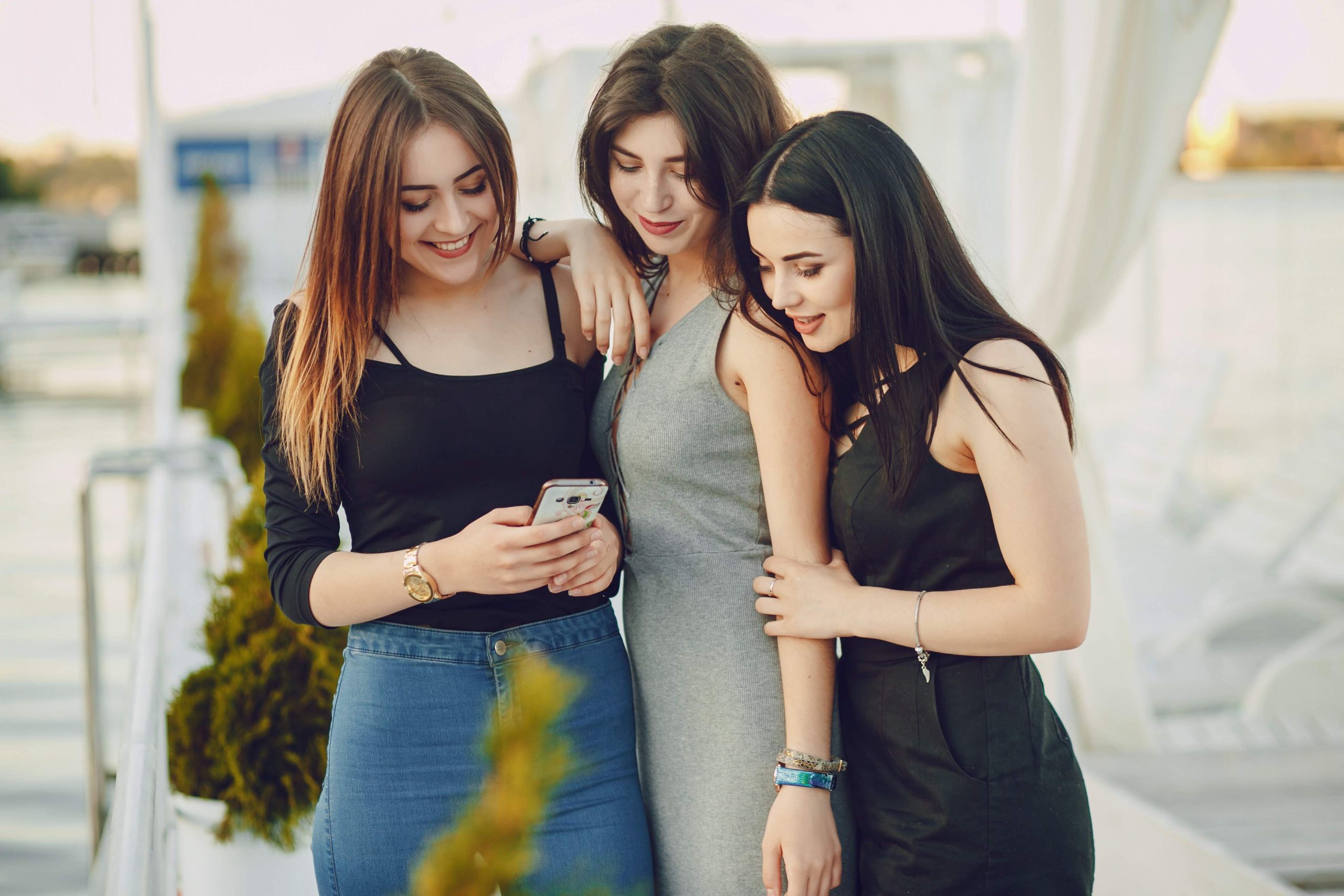
Algorithms play a crucial role in the success of social media girls. These systems determine what content gets seen and by whom. For instance, TikTok’s “For You” page uses an algorithm to showcase videos tailored to individual user preferences, often catapulting unknown creators into the spotlight. While algorithms can amplify voices, they also create challenges, such as the need to constantly adapt to changing platform rules.
The Global Reach of Social Media Girls
The influence of social media girls is not confined to their local communities. With followers from diverse backgrounds and countries, their reach is global. This international audience allows them to bridge cultural gaps and introduce trends to new markets. However, it also comes with challenges, such as navigating cultural sensitivities and maintaining authenticity across diverse audiences. Social media girls are reshaping digital spaces, turning platforms into tools for self-expression, entrepreneurship, and global connection. Their rise marks a significant cultural shift, showcasing the power of women in the digital age.
Influence of Latina Social Media Girls
Celebrating Cultural Heritage Online
Latina social media influencers have increasingly become powerful voices in digital spaces, blending their cultural heritage with modern trends to reach global audiences. They celebrate their roots, often showcasing traditional customs, language, and values while embracing contemporary fashion, beauty, and lifestyle. Through platforms like Instagram, TikTok, and YouTube, they offer a unique perspective that highlights the richness of Latinx culture, fostering a sense of pride and unity within their communities.
These influencers have not only contributed to the diversification of beauty standards but also become role models for many young Latinas, empowering them to embrace their identity and express themselves authentically. By sharing their personal stories and experiences, they create an inclusive space where cultural pride is celebrated, encouraging others to do the same. In this way, Latina social media girls are redefining beauty, success, and representation in the digital age, proving that cultural heritage can thrive alongside modernity.
Advocating for Social Justice Through Content
Latina influencers frequently step beyond lifestyle content to address societal issues. They tackle topics like immigration, gender inequality, and racial justice with authenticity, making these issues more relatable to their followers.
- Posting about the challenges faced by immigrant families.
- Supporting movements like #MeToo and #BlackLivesMatter.
- Collaborating with organizations to amplify underrepresented voices.
Combining Personal Narratives with Broader Issues
These influencers weave their personal experiences into larger societal conversations. By doing so, they humanize complex issues and make them easier for their audience to connect with.
- Sharing stories of overcoming adversity as a Latina in predominantly white spaces.
- Discussing how family values shape their views on community and responsibility.
- Highlighting the intersectionality of their identities.
Latina Influencers in Fashion and Beauty
Latina influencers in fashion and beauty bring a fresh mix of cultural roots and global style to the digital spotlight. Many — women like Camila Coelho or Yuya — start by sharing personal looks, beauty routines or styling tips. Over time, they attract millions of followers and gain brand collaborations. Their work broadens the aesthetic landscape. It shows diverse skin tones, body types and styles. It challenges narrow beauty ideals and offers more representation for Latin‑heritage audiences worldwide.
These influencers also shape industry trends and business strategies. Global beauty and fashion brands recognise their reach. They launch inclusive colour ranges or clothing lines. They partner influencers for campaigns or product endorsements. Through affiliate links or branded collections, these creators turn social‑media presence into real economic value. Their success inspires younger Latinas. And it proves that authenticity — blending heritage with modern fashion and beauty — resonates across the globe.
| Category | Examples of Content |
|---|---|
| Fashion | Styling tips for curvy body types. |
| Beauty | Tutorials on makeup for diverse skin tones. |
| Representation | Campaigns advocating for inclusivity. |
Challenges Unique to Latina Social Media Girls
Latina social media influencers face unique challenges in an industry that often overlooks cultural nuances and authenticity. Many struggle to navigate the pressure of representing their community while also adhering to mainstream beauty standards that may not reflect their diverse identities. The expectation to blend traditional Latina values with contemporary trends can create tension, leading to an internal conflict about how much of their cultural heritage they should showcase without being stereotyped.
Latina influencers often encounter barriers in accessing opportunities due to systemic biases in the industry. Despite the growing recognition of Latino culture in mainstream media, there is still a significant lack of representation and support for Latina creators in top-tier partnerships and collaborations. This lack of visibility makes it harder for Latina influencers to secure brand deals that align with their values, pushing many to build their own platforms and networks.Mental Health and Social Media Girls
Body Image Issues and Social Media
Social media has become a double-edged sword when it comes to body image. On one hand, it provides a platform for people to express themselves and celebrate diverse body types. On the other hand, the curated nature of most content, where heavily edited images dominate, has contributed to unrealistic beauty standards. Many users, particularly younger individuals, often compare themselves to influencers and celebrities who embody these ideals, leading to feelings of inadequacy and low self-esteem.
The constant exposure to these beauty standards can have significant psychological effects, especially for those already vulnerable to body image issues. Social media amplifies societal pressures, and even when people try to escape this influence, algorithms keep reinforcing content that aligns with these ideals. This results in a cycle of constant comparison, making it harder for individuals to accept their natural bodies.
However, there is a growing movement of body positivity and inclusivity on social media. Influencers and creators are increasingly challenging the traditional standards, promoting self-love, confidence, and the celebration of all body types. These voices are shifting the narrative, encouraging followers to embrace their authentic selves and redefine beauty standards in a more inclusive and realistic light. Despite the challenges, this movement offers a hopeful outlook for improving body image perceptions in the age of social media.
The Pressure of Online Perfection
The “highlight reel” nature of social media makes it easy to fall into the trap of comparison. Many girls feel immense pressure to present a flawless version of themselves online, from their appearance to their achievements. This obsession with perfection can lead to anxiety, stress, and feelings of inadequacy. The need to constantly “be on” and maintain an ideal online persona can be emotionally exhausting.
Cyberbullying and Its Effects
Cyberbullying is another significant issue. Hurtful comments, harassment, and online shaming can deeply affect mental health, leading to depression, anxiety, and even suicidal thoughts. Unlike traditional bullying, cyberbullying can feel inescapable because it follows victims into their homes through their devices. The anonymity of the internet often emboldens bullies, making the problem even more pervasive.
Strategies for Maintaining Mental Health
Here are some practical steps that social media girls can take to protect their mental well-being:
- Set boundaries: Limit screen time and take regular breaks from social media.
- Curate your feed: Follow accounts that promote positivity and authenticity, and unfollow those that make you feel bad about yourself.
- Seek support: Talk to friends, family, or a mental health professional if you’re struggling.
Parental Guidance in Navigating Social Media
Parents can help by fostering open communication about social media use. Encouraging kids to share their experiences online, setting healthy boundaries, and modeling balanced screen habits are all ways to mitigate the negative effects of social media. Proactive involvement can make a big difference in how young people interact with these platforms. Mental health challenges tied to social media are complex, but awareness and proactive steps can help create a more positive online experience for everyone. For further insights into mental health topics, professionals often recommend top mental health podcasts that explore strategies for coping with daily challenges, grief, and chronic conditions.
The Business of Being a Social Media Girl
Monetising Personal Brands
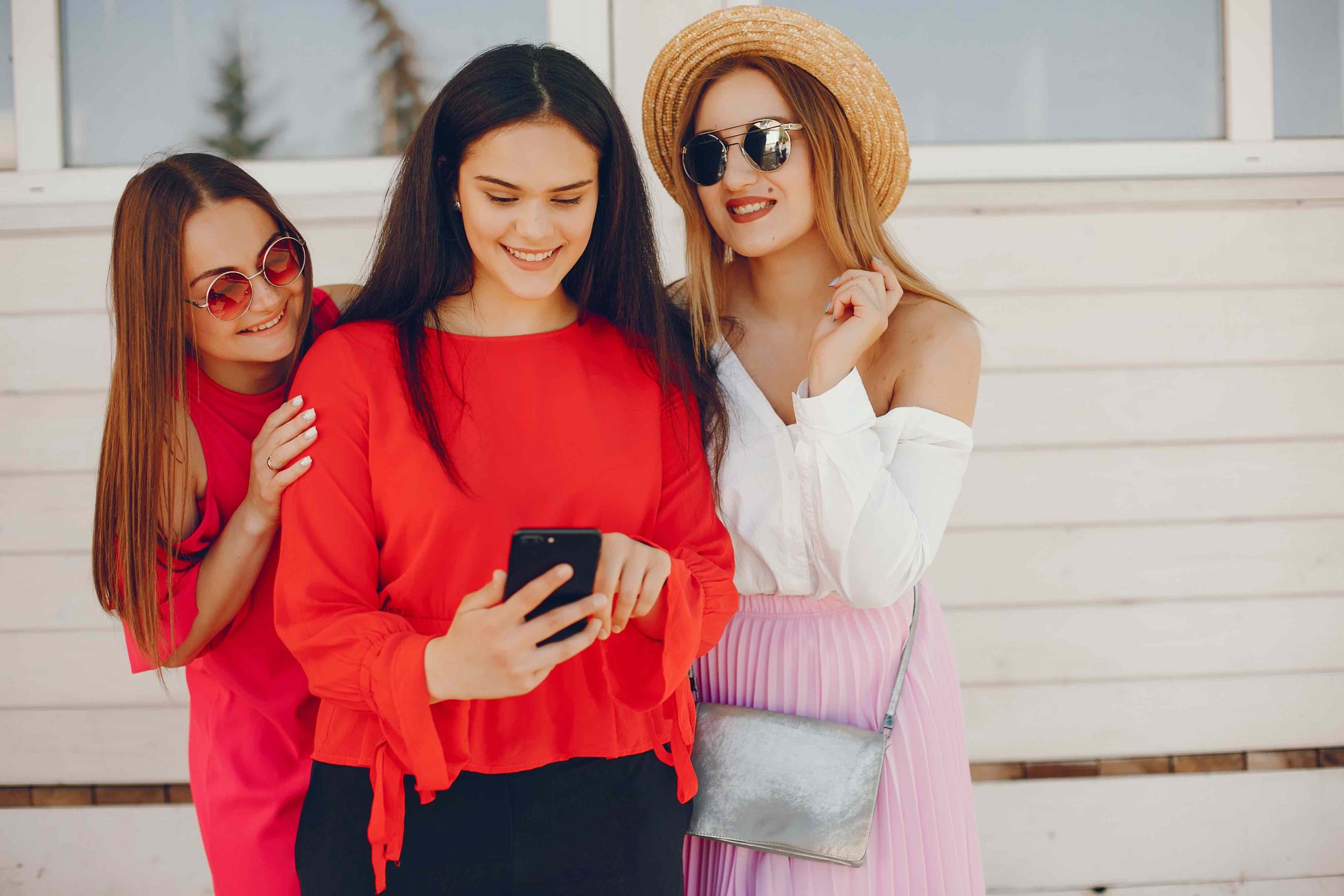
Monetising personal brands through social media has become a lucrative avenue for many, especially for influencers and content creators. Social media platforms, such as Instagram, TikTok, and YouTube, provide a direct way to engage with audiences and showcase personal style, opinions, and expertise. For social media girls, creating a personal brand around their lifestyle, fashion, beauty, fitness, or other niche interests allows them to attract a dedicated following. Once a loyal audience is built, opportunities for monetisation emerge through sponsored posts, affiliate marketing, product collaborations, and even selling personal merchandise or services.
Influencers can further expand their reach by diversifying their content, engaging in brand partnerships, and promoting products or services that align with their image and values. Additionally, monetising platforms like Patreon or YouTube’s ad revenue system offer recurring income streams. As the influence of personal brands grows, the potential for long-term income increases, especially when content creators leverage their platforms to launch their own products or services. With consistency and authenticity, social media girls can build profitable and sustainable businesses while engaging with their followers on a deeper level.
Collaborations with Major Brands
Collaborating with well-known brands is a key income source for social media girls. Companies often partner with influencers to reach specific demographics. These collaborations can range from one-time sponsored posts to long-term brand ambassador roles. For example, Kate Barton’s Fall 2025 collection highlights the power of such partnerships by showcasing authentic representation through social media campaigns. Influencer marketing has grown into a billion-dollar industry. Brands allocate significant budgets to partner with influencers who can authentically connect with their target audience. Here’s a quick breakdown of potential earnings based on platform:
| Platform | Average Earnings per Post (10k Followers) | Average Earnings per Post (100k Followers) |
|---|---|---|
| $100–$500 | $1,000–$5,000 | |
| TikTok | $50–$300 | $500–$3,000 |
| YouTube | $200–$1,000 | $2,000–$10,000 |
The Ethics of Sponsored Content
Transparency is crucial in sponsored content. Followers expect influencers to disclose paid partnerships, and failing to do so can harm trust. Ethical influencers make it clear when content is sponsored, ensuring their audience knows the difference between genuine recommendations and paid promotions. Building trust with your audience is the foundation of a successful influencer career. Without it, even the most lucrative partnerships can fall flat. Content creation often involves navigating copyright laws. Using copyrighted music, images, or video clips without permission can lead to legal issues. Social media girls need to understand intellectual property rights to avoid penalties. Many opt for royalty-free resources or create original content to sidestep challenges.
Social Media Girls and Activism

Using Platforms for Advocacy
Social media girls have increasingly used their platforms as a powerful tool for advocacy, amplifying their voices on important social, environmental, and political issues. With large and engaged followings, they can raise awareness, drive discussions, and influence opinions on topics such as gender equality, mental health, climate change, and body positivity. By sharing personal stories, educational content, or calls to action, these influencers can create a space for their audience to connect and take meaningful steps towards change. Their authentic connections with followers make them well-positioned to shape public perception and encourage social responsibility.
Through the strategic use of hashtags, collaborations with advocacy organisations, and participation in campaigns, social media girls can further their advocacy efforts. Platforms like Instagram, TikTok, and Twitter offer a direct line to a global audience, enabling them to create movements and spark collective action. Additionally, by aligning with brands that share their values, they can use sponsored posts to highlight causes they care about. In this way, social media girls are not only shaping trends but also making significant contributions to the issues they are passionate about, proving that social media can be a platform for both influence and positive change.
Raising Awareness on Global Issues
With the reach of platforms like Instagram, TikTok, and Twitter, social media girls bring global issues into everyday conversations. They highlight topics such as climate change, racial injustice, and access to education. Many of them collaborate with international organizations to create meaningful campaigns. For instance:
- Sharing infographics and statistics that educate followers.
- Organizing virtual fundraisers to support global causes.
- Using live streams to discuss pressing issues with experts and activists.
The Power of Hashtag Movements
Hashtag movements have become one of the most influential tools in modern social media advocacy, enabling individuals and groups to unite around causes and drive global conversations. By using a single, easy-to-remember phrase, a hashtag can quickly go viral, bringing attention to issues ranging from social justice and environmental causes to political movements and personal empowerment. These movements empower ordinary people to amplify their voices, share experiences, and take action, regardless of geographical boundaries. Hashtags like #MeToo, #BlackLivesMatter, and #ClimateAction have sparked widespread engagement and resulted in real-world change, including policy shifts, corporate accountability, and increased public awareness.
The power of hashtag movements lies in their ability to mobilise individuals and create a sense of collective identity. They allow for the rapid sharing of information, resources, and support, enabling grassroots efforts to gain traction quickly. Through strategic use of hashtags, social media platforms become powerful tools for activism, where people can participate in global conversations and contribute to causes they care about. Whether it’s raising awareness, rallying for justice, or providing solidarity, hashtags bring attention to crucial issues and create lasting social change by uniting voices from all walks of life. These hashtags help:
- Build awareness quickly.
- Encourage community participation.
- Create a lasting digital footprint for the cause.
Collaborations with Nonprofits
Partnering with nonprofits is another way social media girls drive change. These collaborations often bring credibility and resources to their campaigns. For example, influencers might:
- Host charity events or auctions online.
- Share behind-the-scenes work of nonprofits.
- Encourage followers to donate or volunteer.
Success Stories
Activist influencers have leveraged their platforms to drive significant social change, amplifying voices for justice, equality, and environmental sustainability. Through the power of social media, these individuals have sparked movements that resonate across borders, rallying communities around causes such as climate change, racial equality, and gender rights. Their ability to mobilize large audiences with compelling narratives and actionable calls to action has redefined activism, turning it into a digital force that influences policy, corporate practices, and public opinion.
One notable success story is that of Greta Thunberg, whose Fridays for Future campaign began as a solo protest and evolved into a global movement demanding climate action. Thunberg’s authenticity and commitment to the cause helped her gain a massive following, inspiring millions of young people to join the fight against climate change. Similarly, figures like Malala Yousafzai have used their platforms to advocate for girls’ education, becoming global symbols of resilience and change. Through their influence, these activists have not only raised awareness but also sparked tangible actions, showing the immense power of digital activism.
The Role of Storytelling in Social Media Success
Crafting Authentic Narratives
Storytelling on social media starts with authenticity. Audiences can often tell when a story feels forced or insincere. Sharing real-life experiences, struggles, and triumphs creates a connection that resonates deeply with followers. For instance, influencers who openly discuss their failures or personal growth often gain more trust and loyalty than those who only showcase a polished, perfect image. Authenticity isn’t just about honesty; it’s about being relatable and genuine.
The Importance of Visual Storytelling
In the digital world, visuals are everything. Platforms like Instagram and TikTok thrive on eye-catching imagery and videos. A well-composed photo or a thoughtfully edited video can tell a story in seconds. For example, a single image of a cluttered desk with a caption about late-night work can convey the hustle of building a brand. Visual storytelling doesn’t need to be elaborate; it just needs to capture the essence of the message.
The Psychology Behind Viral Posts
What makes a story go viral? It’s often a mix of emotion, timing, and shareability. Posts that evoke strong emotions—whether it’s laughter, inspiration, or even outrage—are more likely to be shared. Timing also plays a role; a story that aligns with current events or trends has a higher chance of catching on. Lastly, the ease with which content can be shared (think simple captions or universally understood memes) greatly influences its virality.
How Stories Build Community
Social media isn’t just about broadcasting; it’s about connecting. Stories that encourage interaction—like asking followers to share their own experiences or opinions—help build a sense of community. Over time, this shared storytelling creates a bond between the influencer and their audience, turning followers into a supportive network. A strong community built through storytelling doesn’t just support the influencer; it thrives on mutual engagement, making every member feel valued.
Examples of Successful Storytelling
Some influencers have mastered storytelling to the point where their narratives become their brand. For instance, Rumi Neely, an American fashion blogger, uses her unique style and photography to weave stories that reflect her heritage and individuality. These stories not only highlight her personal journey but also set her apart in a crowded digital space. Other examples include influencers who document their fitness journeys, share recipes with personal anecdotes, or advocate for social causes through heartfelt posts.
Challenges Faced by Social Media Girls
Dealing with Online Harassment
Online harassment is one of the most pervasive issues for social media girls. From cruel comments to outright threats, the digital space can often feel unsafe. This constant exposure to negativity can take a serious toll on mental health. Many influencers have shared their struggles with anxiety and depression stemming from online abuse. Unfortunately, the anonymity of the internet often emboldens offenders, making it a persistent issue. Maintaining a balance between personal privacy and public exposure is a tricky challenge. Social media girls often share glimpses of their lives to connect with their audience, but oversharing can lead to a loss of boundaries. This can make them vulnerable to stalking, doxxing, or other forms of intrusion. Finding the right balance between being authentic and protecting personal safety is a constant struggle.
The Pressure to Stay Relevant
The pace of trends on social media is relentless. To stay relevant, creators feel the need to constantly churn out fresh and engaging content. This can lead to immense stress and a fear of becoming obsolete. The “algorithm” often dictates visibility, adding another layer of pressure to perform and innovate continuously. However the constant need to be “on” can lead to burnout. Social media girls often work without clear boundaries, leading to exhaustion and mental fatigue. The pressure to maintain a perfect online persona can exacerbate feelings of inadequacy or imposter syndrome. Taking breaks is essential, but stepping away can also mean losing momentum in such a fast-moving space.
Overcoming Stereotypes and Bias
Social media girls often face stereotypes based on their gender, ethnicity, or the type of content they create. These biases can limit opportunities and affect how they are perceived by audiences and brands. Challenging these stereotypes requires resilience and often a willingness to stand up for oneself in a space that can be unforgiving. The challenges faced by social media girls highlight the complexities of navigating a digital world that demands both vulnerability and resilience. While the rewards can be significant, the hurdles are equally daunting.
The Role of Technology in Empowering Social Media Girls

The Evolution of Social Media Tools
Social media tools have come a long way since the early days of MySpace and Friendster. Today, platforms like Instagram, TikTok, and YouTube dominate the landscape, offering creators a wide range of features to share content. From live streaming to augmented reality filters, these tools allow social media girls to craft engaging, professional-quality content without needing expensive equipment or formal training. This evolution has democratized content creation, making it accessible to anyone with a smartphone and internet connection.
Leveraging Analytics for Growth
Analytics tools are a game-changer for influencers. Platforms provide detailed insights into audience demographics, engagement rates, and content performance. Social media girls can use this data to refine their strategies, identify what resonates with their audience, and even determine the best times to post. For example:
| Metric | Purpose |
|---|---|
| Engagement Rate | Measures audience interaction |
| Follower Demographics | Helps tailor content to the audience |
| Reach and Impressions | Tracks content visibility |
The Role of Technology in Content Creation
Artificial intelligence is reshaping how content is created and distributed. From AI-powered editing tools that enhance images and videos to algorithms that suggest trending topics, technology is making it easier for social media girls to stay ahead of the curve. AI also plays a role in automating tasks like caption generation and hashtag recommendations, saving time and effort. New technologies like virtual reality (VR) and blockchain are beginning to influence the social media space. VR offers immersive experiences, while blockchain can provide transparency in sponsored content and secure transactions. These innovations could open up new opportunities for social media girls to connect with their audiences in unique ways.
The Global Influence of Social Media Girls

Breaking Cultural Barriers
Social media has given women a platform to transcend cultural boundaries. Social media girls, in particular, are connecting with audiences from diverse backgrounds, sharing their stories, and building bridges across cultures. Their ability to showcase their unique identities while resonating with a global audience has made them powerful agents of cultural exchange. Through platforms like Instagram, YouTube, and TikTok, social media girls are creating virtual spaces where people feel seen and heard. These communities often revolve around shared interests, such as fashion, wellness, or activism. Some key ways they connect communities include:
- Hosting live Q&A sessions to engage with followers directly.
- Sharing multilingual content to reach broader audiences.
- Collaborating with creators from different countries to highlight global perspectives.
Examples of International Collaborations
International collaborations among social media influencers have become a powerful tool for driving global engagement and raising awareness on various issues. One prominent example is the collaboration between Emma Chamberlain, a popular YouTube influencer, and global fashion brands like Louis Vuitton. By working with such high-end brands, Emma has bridged the gap between digital culture and luxury fashion, reaching audiences worldwide and introducing new trends to her millions of followers. This cross-industry collaboration helped both Emma and the brands expand their reach, especially among younger, fashion-forward consumers.
Another example of international collaboration is the partnership between social media stars like Charli D’Amelio and organizations such as UNICEF. Charli, with her massive TikTok following, has worked with global charities to highlight important causes such as children’s health and education. These partnerships leverage her vast influence to mobilize her international audience for social good, demonstrating the growing role of social media personalities in global advocacy efforts. Through these collaborations, influencers have transformed their platforms into tools for global impact, making them key players in both entertainment and social change.
The Challenges of Cross-Cultural Communication
While the global reach of social media girls is impressive, it’s not without challenges. Misunderstandings can arise due to cultural differences or language barriers. Additionally, navigating the expectations of diverse audiences requires sensitivity and adaptability. Despite these hurdles, many influencers continue to thrive by being open to learning and growing from their experiences. Social media girls are not just influencers; they are cultural connectors, using their platforms to unite people, spark conversations, and inspire change on a global scale.
The Ethics of Social Media Influence
Transparency in Sponsored Content
One of the most debated topics in the influencer world is transparency around sponsored content. Audiences expect honesty, but not all influencers disclose when they are being paid to promote a product. Being upfront about sponsorships builds trust and credibility, which is crucial for long-term success. Transparency isn’t just about labeling posts; it’s about clearly communicating the relationship with brands. Many platforms now require influencers to use tags like #ad or #sponsored, but enforcement remains inconsistent. Authenticity is the backbone of social media influence, but it’s often compromised when influencers prioritize brand deals over genuine connections with their audience. Followers can sense when content feels forced or insincere. This raises an ethical question: should influencers only promote products they truly believe in? Striking a balance between authenticity and monetization is an ongoing challenge for many.
Addressing Misinformation
Social media is a breeding ground for misinformation, and influencers can unintentionally amplify false narratives. Whether it’s promoting unverified health advice or sharing baseless claims, the consequences can be significant. Influencers have a responsibility to fact-check their content and avoid spreading harmful information. Accountability is key to maintaining integrity in the digital space. With great influence comes great responsibility. Influencers have the power to shape opinions and behaviors, which means they must consider the social and ethical implications of their content. For example, promoting unsustainable products or unhealthy lifestyles can have far-reaching effects. Being mindful of their impact is not just ethical—it’s essential for maintaining a positive reputation.
The Role of Platforms in Regulation
Social media platforms play a significant role in shaping the ethical landscape. They set the rules for content disclosure, misinformation, and user behavior. However, enforcement is often lax, leaving room for unethical practices. Platforms need to step up their efforts, whether it’s through stricter guidelines or better tools for reporting violations. Creating content often involves making tough ethical choices. Should an influencer prioritize what performs well over what aligns with their values? Should they accept lucrative deals that might alienate their audience? These dilemmas are part of the job, and there’s no one-size-fits-all answer. However, staying true to one’s principles can often lead to more sustainable success in the long run.
The Role of Social Media Girls in Shaping Public Opinion
Social media influencers have become key figures in advocacy campaigns, using their platforms to raise awareness on social issues and inspire positive change. One notable example is the #FreeBritney movement, which gained momentum through social media channels, with influencers and fans alike voicing their support for pop star Britney Spears in her fight for autonomy over her conservatorship. Influencers like Paris Hilton and other celebrities helped amplify the voices of those seeking justice for Britney, turning the campaign into a global movement that eventually led to legal reforms. This advocacy showed the immense power of social media in mobilising action for a cause and challenging unjust systems.
Another powerful advocacy campaign driven by social media is the #BlackLivesMatter movement. Born out of the need to address systemic racism and police brutality, the movement gained international attention through hashtags and viral posts, with influencers such as Alicia Keys, John Boyega, and Naomi Osaka using their platforms to speak out against injustice. These high-profile figures, along with countless others, have not only shared personal stories and experiences but also encouraged their followers to take part in protests, petitions, and fundraising for racial justice causes. The movement’s global reach and continued advocacy work underscore how social media can amplify critical conversations and lead to tangible societal change.
The Power of Viral Messaging
The power of viral messaging lies in its ability to spread rapidly across social media platforms, reaching millions of people in a short amount of time. Viral messages often tap into universal emotions such as humor, empathy, or outrage, making them highly shareable and capable of resonating with diverse audiences. When influencers, celebrities, or everyday users share content that aligns with trending topics or hot-button issues, it can spark conversations and lead to massive engagement, transforming a simple message into a global phenomenon. This speed and scale make viral messaging a valuable tool for brands, activists, and individuals alike, as it allows them to amplify their message quickly and effectively.
In the context of social movements, viral messaging has proven to be a catalyst for change. Hashtags like #MeToo and #BlackLivesMatter have transcended their origins as simple phrases to become rallying cries for global advocacy. These messages have not only raised awareness but also pressured organizations and governments to take action on critical issues. The success of such movements highlights how viral messages can create lasting social impact, influencing public opinion, policy changes, and even corporate behavior. Whether for marketing, activism, or entertainment, the power of viral messaging is undeniable, shaping how we communicate and engage with the world today.
Challenges in Maintaining Credibility
Maintaining credibility in the age of social media is a growing challenge, as the rapid spread of information can sometimes lead to misinformation or skewed narratives. Influencers, brands, and individuals must consistently ensure that the content they share is accurate, authentic, and aligned with their values to preserve their reputation. The temptation to chase viral trends or sensational headlines can sometimes compromise the integrity of messaging, leading to a loss of trust among followers. For example, influencers who promote products or causes that they don’t genuinely believe in may face backlash when their audience senses a disconnect between their public persona and actions.
Another challenge in maintaining credibility is dealing with the scrutiny that comes with public exposure. Every statement, post, or collaboration is subject to public opinion, and a single misstep can lead to significant reputational damage. In the digital landscape, where cancel culture and online criticism can escalate quickly, influencers must navigate these waters carefully. Ensuring transparency, being accountable for past mistakes, and staying true to personal or brand values are essential strategies for maintaining long-term credibility. Moreover, building a strong, honest relationship with followers and consistently providing value can help mitigate the risks of losing credibility in a fast-moving and often volatile online environment.