Why PVD-Coated Stainless Steel Jewelry Is Dominating the Market Right Now
There’s a quiet revolution happening in the jewelry industry, and it doesn’t involve diamonds or gold. It involves a coating process so precise it’s measured in microns — and it’s changing how consumers think about affordable, durable, everyday jewelry.
If you’ve noticed that more fashion brands are offering pieces that look like gold or rose gold but carry surprisingly accessible price tags, you’ve likely already encountered PVD-coated stainless steel. The question is: what’s actually driving this shift, and why should designers, retailers, and even end consumers care about it?
What Exactly Is PVD Coating?
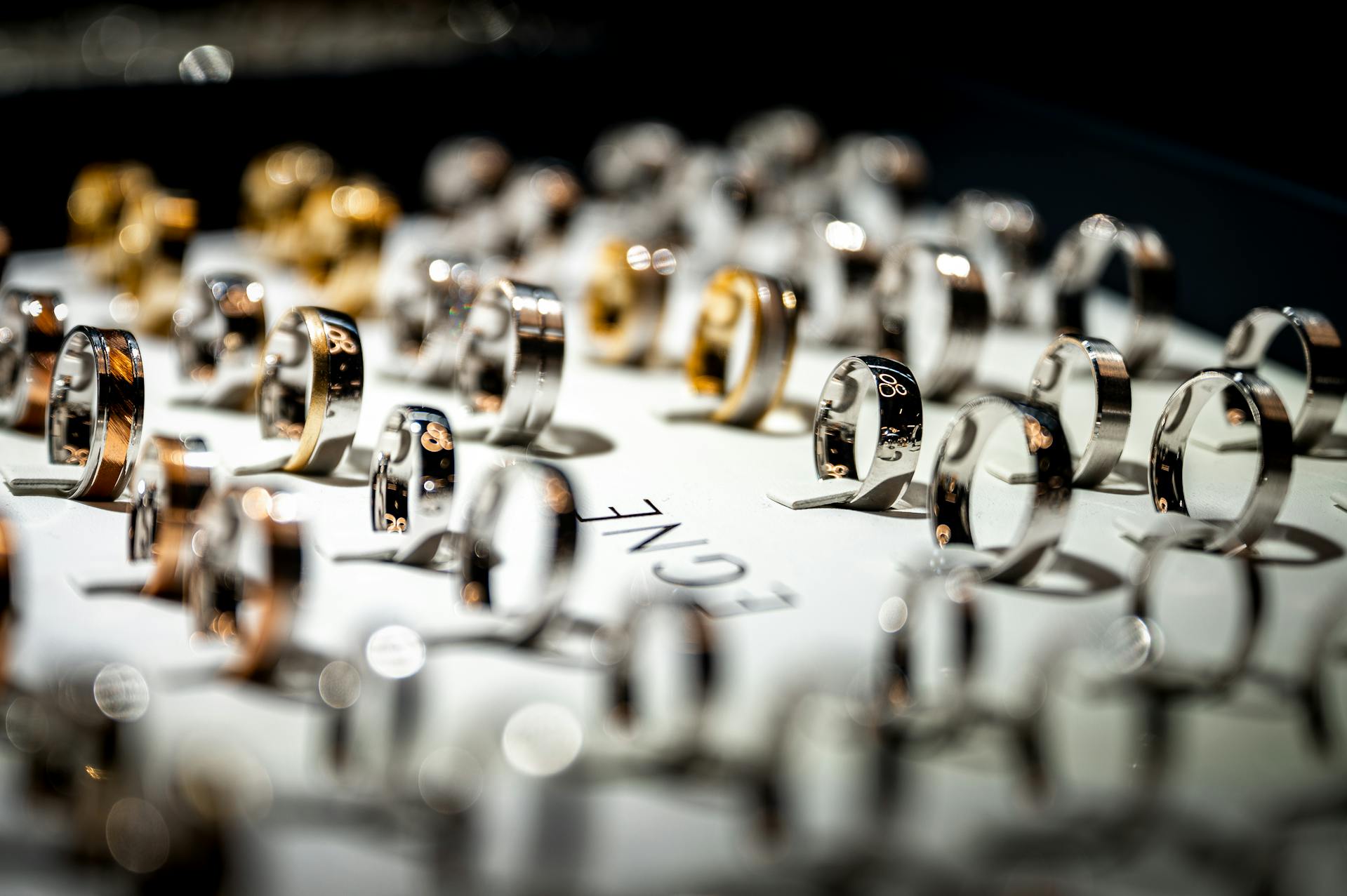
PVD stands for Physical Vapor Deposition. It’s a vacuum-based coating process where metal is vaporized and deposited onto a surface in an ultra-thin, highly uniform layer. In jewelry, this typically means bonding gold, rose gold, black, or silver-toned finishes onto a stainless steel base.
The result? A piece that looks indistinguishable from solid gold to the naked eye — but holds up dramatically better in daily wear conditions.
Unlike traditional electroplating, PVD bonding occurs at the atomic level. That means the finish isn’t sitting on top of the metal; it’s fused to it. This leads to significantly better scratch resistance, color retention, and longevity.
The Problem With Traditional Plating (And Why Brands Are Moving On)
Gold-plated jewelry has always had one frustrating flaw: it fades. Anyone who has worn a plated necklace through a summer knows the story — a few months of sweat, sunscreen, and regular wear, and the brass or copper underneath starts showing through.
For brands building customer loyalty, this creates a real problem. A customer who buys a “gold” piece and watches it turn green in three months isn’t coming back.
PVD coating addresses this directly. The bond is harder, more corrosion-resistant, and less reactive to sweat, moisture, and skin oils. For everyday jewelry — rings, bracelets, earrings — this is a game changer.
The Role of the Base Metal: Why 316L Stainless Steel Matters
The coating is only part of the story. What sits underneath matters just as much.
316L stainless steel has become the industry standard for quality fashion jewelry, and for good reason. It’s hypoallergenic, highly resistant to rust and oxidation, and strong enough to hold its shape through years of wear. The “L” designation means it’s a low-carbon variant, making it particularly resistant to corrosion — even in saltwater or humid environments.
For brands sourcing wholesale, the base material affects everything from customer satisfaction to return rates. If you’re exploring 316L stainless steel jewelry wholesale options, the combination of this base with PVD coating offers one of the best durability-to-cost ratios available in the current market.
This is why so many mid-range and premium fashion labels have pivoted to this material combination. It lets them deliver something that genuinely lasts — without the price point of fine jewelry.
What Retailers and Brands Should Know Before Sourcing
Not all PVD jewelry is created equal. The quality of the coating depends heavily on the equipment used, the thickness of the deposit, and the pre-treatment of the base metal. A poorly prepared surface will result in peeling or uneven color — problems that show up weeks after the customer receives their order.
When evaluating manufacturers, it’s worth asking specific questions: What is the coating thickness? What adhesion testing do they perform? Do they have ISO certification or other quality standards in place?
Working with an experienced S&J PVD jewelry manufacturer means these quality checkpoints are already built into the production process, reducing your sourcing risk considerably. Established manufacturers in this space have refined their processes across thousands of production runs, and that experience shows in the consistency of the final product.
Trends Fueling Demand Right Now
Consumer behavior is also pushing this category forward. The rise of “buy less, buy better” culture — particularly among millennial and Gen Z shoppers — has created demand for pieces that are stylish and durable rather than disposable.
At the same time, nickel allergies affect a significant portion of the population, making hypoallergenic materials a real selling point rather than just a marketing note. Stainless steel with PVD coating checks both boxes: it’s skin-safe and built to last.
Social commerce is amplifying this too. Jewelry that photographs well, holds its color under studio lighting, and survives the daily life of an influencer has a natural advantage — and PVD-coated pieces deliver consistently on all three.
The Bottom Line
PVD-coated stainless steel jewelry isn’t a trend chasing a moment. It’s a materials and manufacturing evolution that responds to what modern consumers actually want — beauty that holds up, at a price that makes sense.
For retailers building collections and brands, thinking long-term about customer loyalty, understanding this category isn’t optional anymore. It’s just smart business.