
Fashion Trends & Future, resources
Why Economic Trends Have a Major Impact on Fashion Businesses

Fashion does not operate in a bubble. Shifts in prices, wages, and supply costs ripple through product decisions, marketing calendars, and cash flow. The brands that read these signals early can move with the market instead of against it.
Why Economic Trends Have a Major Impact on Fashion Businesses
Why Macroeconomics Shapes Style
When the economy cools, shoppers trade down, delay purchases, or hunt for value. When it heats up, they accept higher prices, try new categories, and respond to freshness. Your sell-throughs, returns, and margins follow these tides more than any single campaign.
Design still matters, but timing matters more in volatile periods. A perfect jacket misses if it lands after the need passes or at a price the wallet no longer supports. Treat the economy like a season you plan for, not a headline you skim.
Inflation And Price Sensitivity
Inflation changes what feels fair. As rent, food, and fuel rise, customers rebalance the cart and favor items with clear utility or emotional payoff. Core basics, repair services, and timeless silhouettes often hold up, and impulse novelty slows.
This is the moment to revisit your playbook for resilience. Many teams build a simple checklist for tightening spend, sharpening buys, and protecting your business during economic uncertainty without freezing growth. A few trims to assortment depth, smarter size curves, and clearer value stories can keep conversion steady even as budgets get tight.
Revenue Outlook And What It Means
Industry watchers expect modest growth rather than a surge. One trade publication summarized a major annual report by noting that fashion is likely to see sluggish but stable, low single-digit revenue gains ahead. That pattern rewards operational discipline over big bets.
For merchants, that means you should set targets that assume steady, not spectacular, demand. Build buys around proven winners, small innovation capsules, and tight launch calendars. If upside appears, you can reorder fast; if not, you avoid painful markdowns.
Input Costs From Farm To Factory
Your COGS starts long before fabric hits the cutting table. Fiber markets, energy, labor, and freight all stack into the final price.
An industry group for cotton producers recently described a tough year marked by low prices, high production costs, and weak demand, with only a modest consumption increase projected in the upcoming cycle.
Even if you do not use cotton-heavy blends, the same logic applies to other fibers and trims.
Map the cost ladder for your top styles. Small spec changes can absorb volatility without hurting perceived quality. Think tighter fabric yields, simplified hardware, or shared components across styles so minimums work harder.
Where Cost Hides
- • Fabric width and marker efficiency that silently add waste
- • Overly complex trims that slow sewing and raise defects
- • Low MOQs that look safe but inflate per-unit costs
Supply Chains And Lead Times
Economic shocks stretch timelines. When capacity is tight or routes shift, bookings move later, and air freight looks tempting but expensive. Plan calendars with buffer weeks, early fit approvals, and quick-trigger reorders for high-velocity SKUs.
Shorten feedback loops between sell-through data and factory communication. If Week 2 of a drop outperforms, pull forward repeats; if it lags, re-cut the buy for the next colorway. Lead time is not just a date on a chart – it is your ability to pivot, and the story is still relevant.
Consumer Wallets And Category Mix
When household budgets tighten, customers pick pieces that flex across settings. Work-to-weekend knits, weather-smart outerwear, and durable footwear tend to hold serve.
Occasion-heavy categories may need sharper storytelling, bundles, or value-engineered versions to keep interest high.
Payment behavior can shift, too. Shoppers may prefer predictable installments, loyalty redemptions, or free alterations instead of deeper sticker discounts. Offer value in forms that help them say yes without training them to wait for 50% off.
Merchandising Moves For Volatility
Merchandising into uncertainty is about optionality. Protect gross margin and leave doors open to chase winners.
- • Run A/B price tests in micro-batches to find the clearing price before a full roll-out
- • Offer limited color counts at launch, then widen only if velocity proves it
- • Build sibling styles that share patterns and fabric to cut development risk
- • Anchor drops around versatile hero items that can support add-ons
- • Use pre-order or notify-me tools to gauge demand before committing
Keep size curves honest. Revisit returns by size monthly and adjust buys to reduce stragglers that turn into markdown bait. The goal is fewer orphans and cleaner sell-through.
Cash, Risk, And The Scenario Playbook
Cash is a strategy. In choppy economies, plan three versions of the year: base, upside, and downside. Tie each to specific moves so decisions are fast, not emotional.
- • Base: steady buys, conservative OTB, balanced promos
- • Upside: quick repeat orders, limited exclusives, light paid media support
- • Downside: freeze non-critical hires, tighten discount windows, delay long-lead R&D
Share the same dashboard across finance, design, and ops. When everyone watches the same KPIs – gross margin, inventory turns, weeks of supply, and return rates – tradeoffs become clearer and faster.
Marketing And Storytelling That Fit The Moment
Messaging should match the mood. In cautious periods, lead with durability, fit, and cost-per-wear. In brighter stretches, lean into novelty, color, and limited runs.
Either way, make the path to purchase simple, with clear shipping timelines and easy returns that do not punish your margin.
Give store teams and customer service tight talking points. They are the front line for explaining fabric choices, care instructions, and value. The right 30-second story can turn a maybe into a loyal repeat.
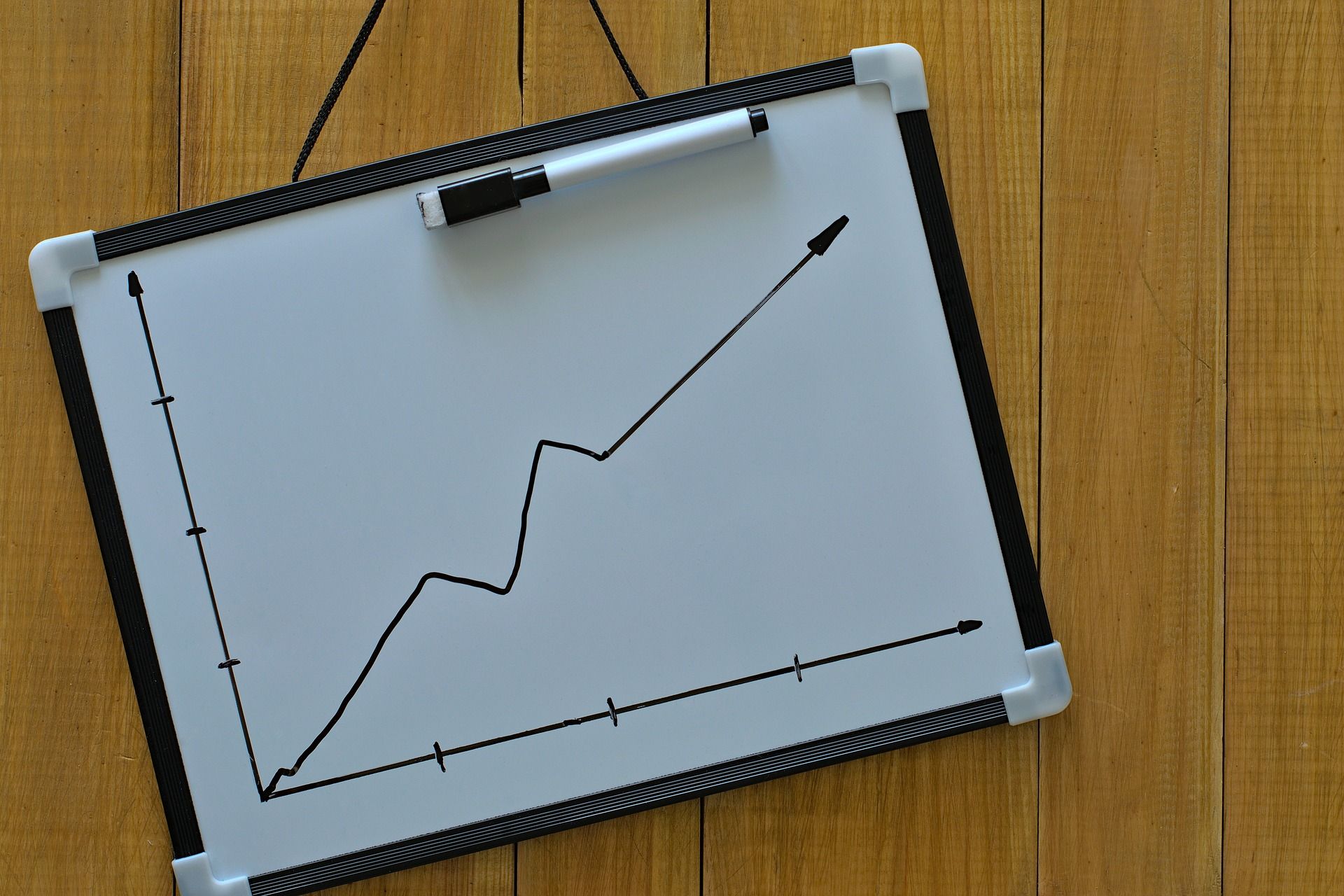
Why Economic Trends Have a Major Impact on Fashion Businesses
Talent, Tools, And Rhythm
Teams need calm habits to navigate noisy data. Keep meetings short, decisions documented, and roles clear.
Use lightweight analytics that surface winners and laggards in hours, not weeks. A weekly read on top styles, sizes, and channels beats a dense monthly deck that arrives too late to matter.
Invest in tools that speed learning – from fit feedback capture to SKU-level contribution margin. Small operational upgrades compound into resilience when the macro picture stays uncertain.
You cannot control the economy, but you can control how you respond. Read the signals, design for flexibility, and protect margin without starving creativity.
With a clear plan for costs, calendars, and cash, your brand stays sturdy in slow patches and primed to sprint when tailwinds return.
Share

Arthur Brown
Writer
A dad of 3 kids and a keen writer covering a range of topics such as Internet marketing, SEO and more! When not writing, he's found behind a drum kit.


