Wholesale jewelry manufacturers help jewelry brands, retailers, and distributors transform product ideas into market-ready collections. Beyond production, experienced suppliers support businesses through material sourcing, prototype development, quality control, and scalable manufacturing, making them an important part of today’s global jewelry supply chain.
Many international jewelry brands work with manufacturers in established production regions such as China, where mature supply chains, skilled artisans, and advanced production technologies enable efficient OEM, ODM, and private label jewelry development.
Whether launching a private label collection or expanding an existing product line, selecting the right manufacturing partner can directly influence product quality, production efficiency, delivery timelines, and long-term business growth.
Production Processes
Wholesale jewelry manufacturers employ a variety of production processes to create their products. One of the most common methods is casting. In casting, molten metal is poured into a mold to create the desired shape of the jewelry. For example, a manufacturer might use a wax model to create a mold for a gold ring. The wax is melted out, and then the molten gold is poured in. Once the gold cools and solidifies, the ring is removed from the mold and undergoes further finishing processes.
Another important process is forging. Forging involves shaping metal by hammering or pressing it. This method is often used to create more durable and unique jewelry pieces. For instance, a wholesale manufacturer might forge a silver bracelet, giving it a distinct texture and shape. The forging process requires skilled artisans who can manipulate the metal to achieve the desired design.
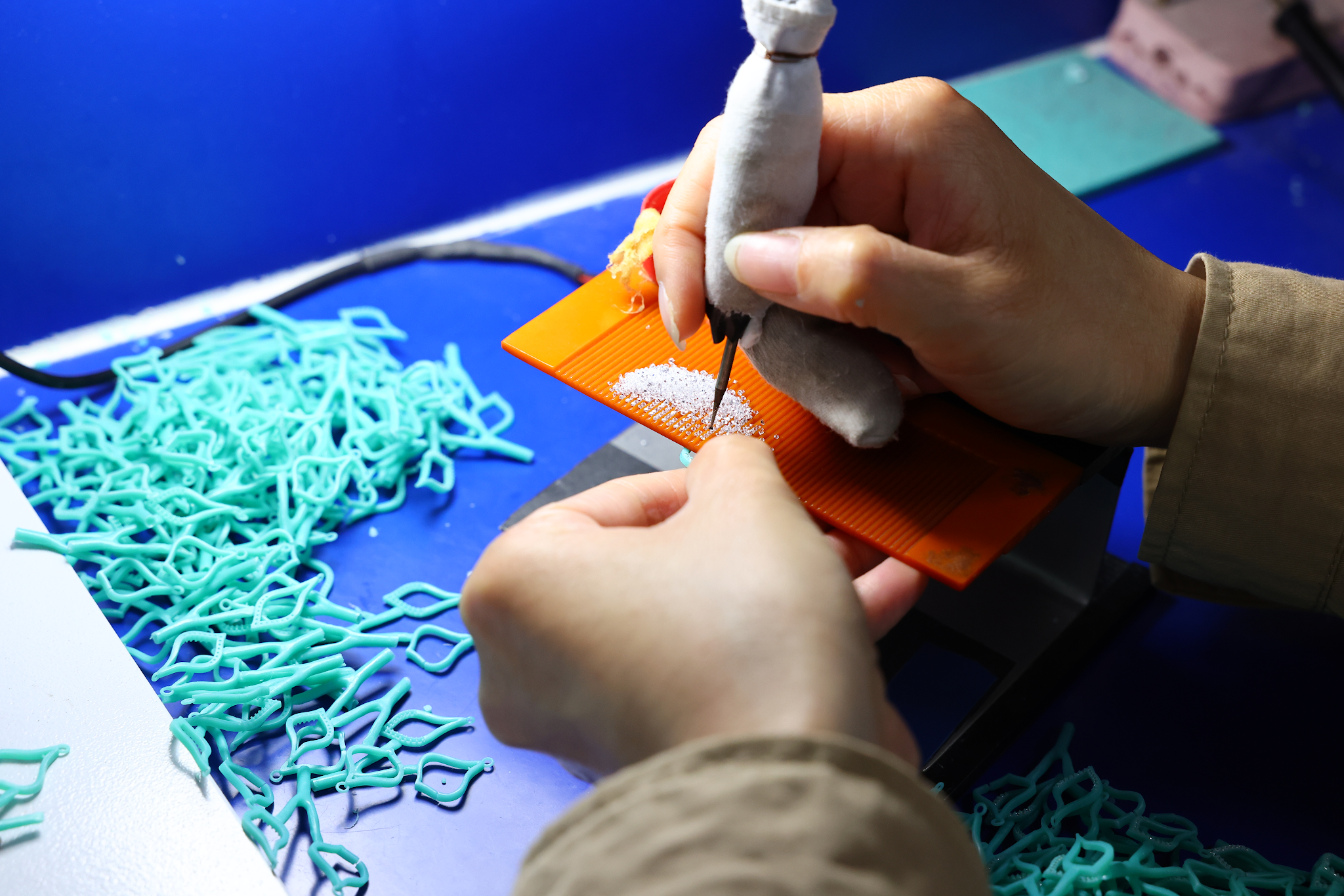
Stone setting is also a critical part of jewelry production. Gemstones such as diamonds, rubies, and sapphires are carefully set into the jewelry pieces.For brands developing silver collections, partnering with an experienced sterling silver jewelry manufacturer helps ensure accurate stone setting, consistent finishing, and reliable production quality across every batch. There are different techniques for stone setting, including prong setting, bezel setting, and channel setting. A high – end wholesale jewelry manufacturer might use prong setting to showcase the brilliance of a diamond in a ring, as it allows maximum light to enter the stone.
Product Range
Wholesale jewelry manufacturers offer a wide range of products to meet the diverse needs of their customers. They produce fine jewelry made from precious metals like gold, silver, and platinum. Gold jewelry comes in different karats, such as 14K, 18K, and 24K. For example, a 14K gold necklace might be more affordable and popular among mass – market retailers, while an 18K gold pendant could be targeted at high – end customers.
Silver jewelry is also a significant part of the product range. It is often more affordable and has a wide appeal. A wholesale manufacturer might produce silver earrings, bracelets, and necklaces with various designs, from simple and classic to trendy and contemporary. Some silver jewelry is also plated with other metals, such as rhodium, to enhance its appearance and durability.
In addition to OEM and private label services, many suppliers also develop completely custom jewelry collections based on customer sketches, CAD files, or original design concepts. This flexibility allows growing brands to create exclusive product lines with greater control over design and branding.
Costume jewelry is another area where wholesale manufacturers excel. Costume jewelry is made from non – precious materials like base metals, glass, and plastic. It is designed to be fashionable and affordable. For instance, a manufacturer might create a line of colorful beaded necklaces and bangles that are perfect for fast – fashion retailers. These pieces can be quickly produced and updated to follow the latest fashion trends.
In addition to these, wholesale jewelry manufacturers also offer jewelry with different themes. They might produce religious jewelry, such as crosses and crucifixes, for customers with specific religious beliefs. There are also jewelry pieces inspired by nature, like floral – shaped earrings or animal – themed pendants.
Market Trends
The jewelry market is constantly evolving, and wholesale jewelry manufacturers need to stay on top of the latest trends. One of the current trends is the increasing demand for sustainable and ethical jewelry. Consumers are becoming more conscious about the origin of the materials used in their jewelry. For example, they prefer jewelry made from recycled metals or gemstones that are ethically sourced. A wholesale manufacturer might respond to this trend by sourcing recycled gold and silver and ensuring that their gemstones are mined under fair labor conditions.
Personalized jewelry is also a growing trend. Customers want jewelry that is unique and reflects their personality. Wholesale manufacturers are now offering customization services, such as engraving names or initials on rings, necklaces, and bracelets. For instance, a retailer might order a batch of personalized pendants with different messages engraved for their customers. This allows the manufacturer to add value to their products and meet the specific needs of the market.Modern manufacturers often use CAD design and 3D modeling to create prototypes before mass production, helping customers review designs and reduce development costs.
Minimalist jewelry has been popular in recent years. Simple and understated designs are in high demand, especially among younger consumers. A wholesale manufacturer might focus on producing minimalist rings, earrings, and necklaces with clean lines and basic shapes. These pieces can be easily paired with different outfits and are suitable for everyday wear.
3D printing technology allows more complex and detailed designs to be created quickly and accurately. For example, manufacturers can develop intricate pendant prototypes that may be difficult to achieve through traditional production methods.
Many manufacturers now comply with international regulations such as REACH compliance, nickel release standards, and responsible material sourcing requirements to meet the expectations of global jewelry brands.
Customer Base
Wholesale jewelry manufacturers work with a wide variety of business customers, including jewelry brands, retailers, wholesalers, designers, online stores, and distributors worldwide. One of the primary customers is jewelry retailers. These retailers purchase jewelry in bulk from manufacturers to stock their stores.
Independent jewelry designers often work with manufacturers to transform original concepts into finished products through prototype development and small-batch production.
Online jewelry stores depend on reliable manufacturers for consistent quality, stable inventory, and efficient order fulfillment.
Some manufacturers also work with startups and emerging jewelry brands by offering low minimum order quantities, flexible production schedules, and design support for new product launches.
How to Choose the Right Wholesale Jewelry Manufacturer
When selecting a wholesale jewelry manufacturer, buyers should evaluate manufacturing experience, material quality, customization capabilities, production capacity, MOQ, quality control, and communication efficiency. A reliable supplier should also provide CAD design support, prototype development, and stable delivery schedules. These factors help brands reduce risks while maintaining consistent product quality.
Challenges and Solutions
Wholesale jewelry manufacturers face several challenges in the industry. One of the main challenges is competition. There are many wholesale jewelry manufacturers in the market, both locally and globally. To stand out, a manufacturer needs to offer high – quality products at competitive prices. For example, a manufacturer might invest in advanced production technology to reduce costs and improve the quality of their products. They can also focus on creating unique designs that are not easily replicated by competitors.
Another challenge is the fluctuation of raw material prices. The cost of precious metals such as gold and silver can change significantly, directly affecting production costs and quotation stability. To manage these risks, experienced wholesale jewelry manufacturers often work with reliable material suppliers, improve inventory management, and maintain flexible sourcing strategies. Stable supply chains and reliable delivery schedules have also become increasingly important as global logistics and material availability continue to evolve.
Quality control is also a crucial challenge. Ensuring that all jewelry pieces meet the required quality standards is essential. A manufacturer might implement a strict quality control system, including inspections at different stages of the production process. For example, they can check the metal purity, stone setting, and overall finish of each piece before it is shipped to customers.
Meeting the changing market trends can be difficult. As consumer preferences change rapidly, a wholesale manufacturer needs to be flexible and adaptable. They can invest in market research to stay informed about the latest trends and adjust their production accordingly. For instance, if there is a sudden increase in demand for a particular type of jewelry, the manufacturer can quickly ramp up production of that product.
As demand for custom, sustainable, and high-quality jewelry continues to grow, manufacturers that combine craftsmanship, reliable production, strict quality control, and flexible OEM capabilities will remain valuable long-term partners for jewelry brands worldwide.