When the Home Becomes a Wardrobe How Interiors Now Reflect Personal Style
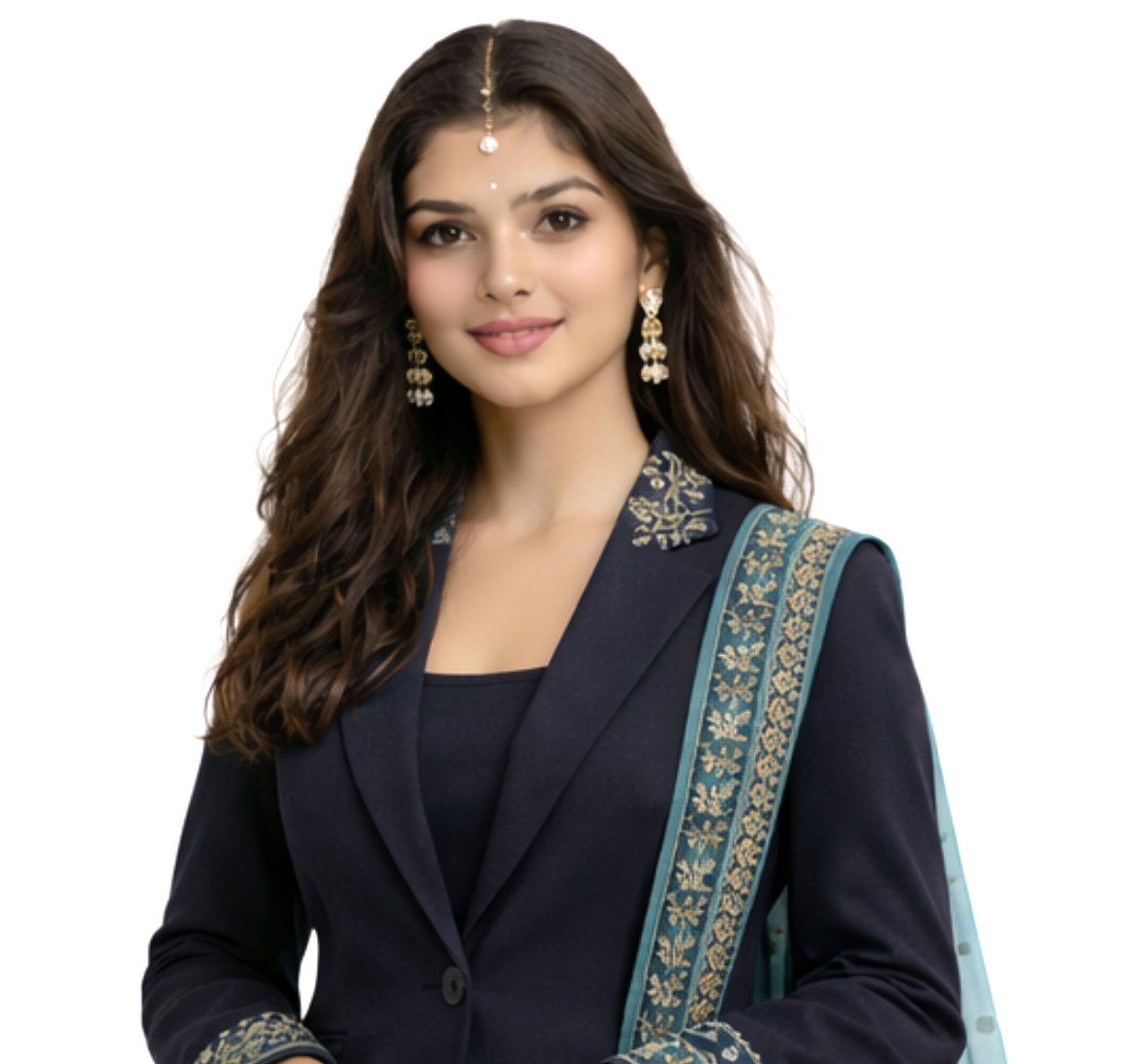
Traditionally, the most straightforward way to gauge someone’s style was to look at their clothing. The cuts they preferred, the color palettes they wore, and the fabrics they liked all served as clues to their identity. Choosing an outfit was like a form of self-articulation.
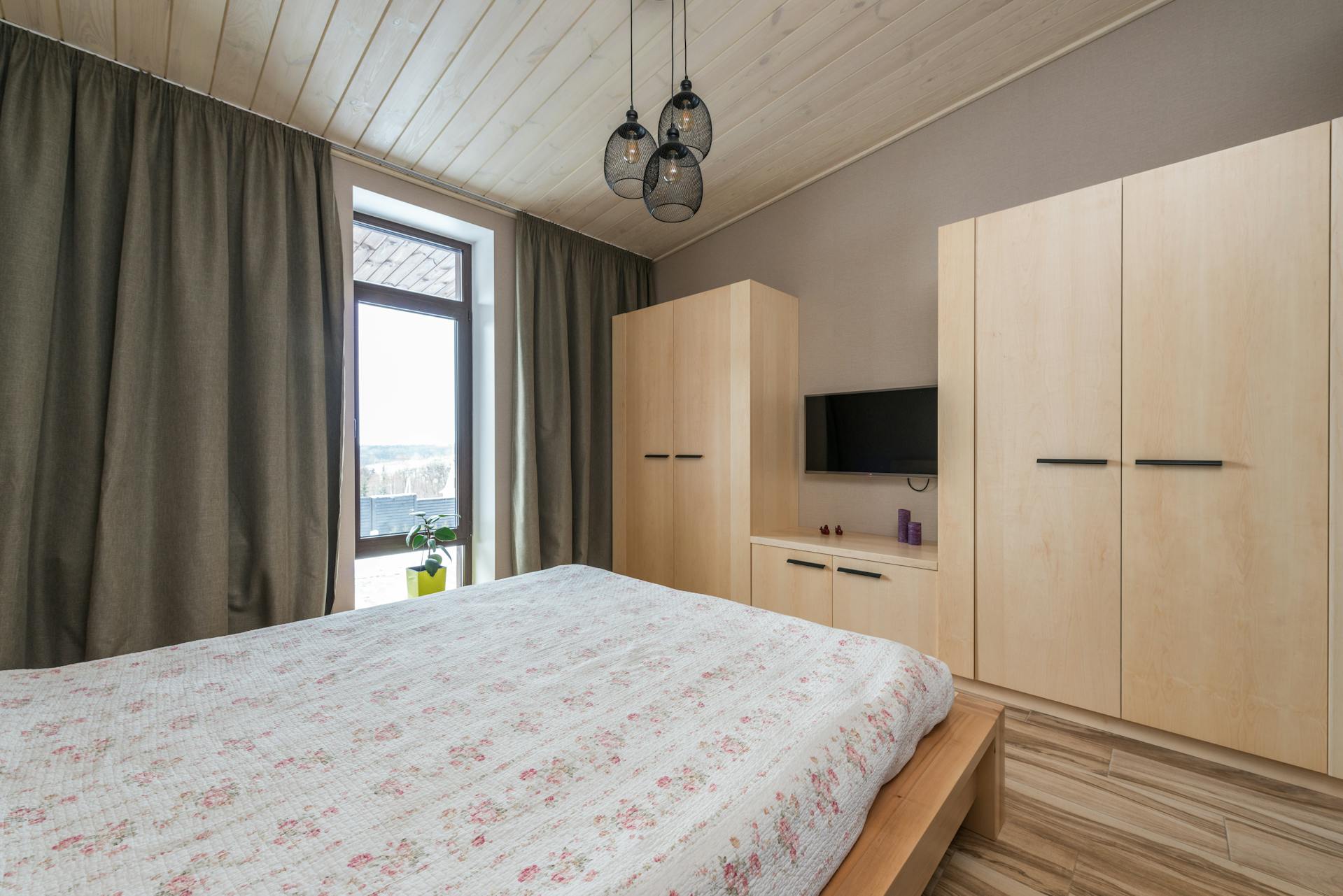
Recently, the tendency to express style has convenience expanded beyond the closet. The living room, dining room, the bedroom, and even the workspace all convey an individual’s style and personality. They no longer just serve practical purposes. You can learn a lot about a person from their living room, much like you can from their clothing.
Given the evolution of lifestyle, this development is not shocking. We now spend more time at home, entertain guests, hold business meetings at the kitchen table, and share bits and pieces of our homes with the world through social media. Home no longer serves a solely a private purpose. It is a sanctuary, a backdrop, and a reflection of self.
This phenomenon has caused furnishing a home to seem more important and valuable. Modern living furniture companies, such as Povison, have incorporated pieces that not only have style, but can be used right after purchase. This result allows homeowners to create a room that is personal and stylish, all without formal training in design.
The Closet and the Couch Speak the Same Dialect
Clothes and furniture have some strong overlapping characteristics. People that like tailored jackets usually prefer couches with the same tailored quality. People that live in oversized sweaters usually have rounded or nubby couches with large urgs. People that have a loud wardrobe usually take risks with color, shape, and patterns in their furniture and decor.
While it may be the case that one does not wear their suit jacket and sit on their suit jacket sofa, it is about having the same reflex. It is about having the same eye make the same decisions in two completely different areas.
An eye for detail in clothing can often be found in a person’s choice in furniture. If a person has a more romantic wardrobe that has more curves and softer textiles and layered light, this may be found in their choice of decor as a rounded edge and layered light and smaller decorative elements. The more austere and harder style may be found in a more moody color palette and bold, layered, and modular seating and art. Each taste can be expressed through every area.
Furniture Sets the Tone Before Anything Else Does
Decorating a room can be made much easier with smaller objects, but furniture is really the foundation. A room cannot have a certain atmosphere before the couches, chairs, tables, and beds are placed.
The comparison between clothing and furniture is almost too easy. A full clothing ensemble can be elevated by one signature piece, be it a coat, shoes, or pants. Similarly, in a house, one statement sofa or an eye-catching coffee table can elevate the room.
Furniture has the ability to shape the character of a space. It can convey a formal or casual vibe, and even how light or heavy it feels. It also determines how people move through the space, the color finishes that can accompany it, and most importantly, how permanent or intentional the design of the space is.
This is why a sofa is not a buy that can be easily forgotten. Each piece of furniture shapes how a space communicates and expresses itself. High-quality furniture can achieve a design that is minimal yet elegant. On the contrary, poor design will require constant styling to redeem the furniture.
The Pursuit of Usable Elegance
The most welcome recent trend is the move away from having homes that look so good they can’t be lived in. Beauty is still appreciated, but so is the ability to relax and be comfortable. There is a desire for spaces that can sustain normal activities like dining, working, and socializing, but also look good for photos. This has driven the desire for living-in elegance. A space can look refined, intentional, and designed to host and enjoy, but still represent personal taste and style.
In practice this means clean lines touched with warm expressive materials. For example, a contemporary sofa may have a structured yet upholstered appearance, with cushions you want to sink into. A dining table could be considered a sculpture while also surviving a Tuesday spaghetti dinner. A good looking cabinet can visually earn its worth while absorbing you clutter. This instinct is a core element of Povison’s fully assembled approach. It effectively reduces the space in time between when someone orders a piece of furniture and when they actually live with it. The beauty of the piece is not merely how it looks in a photograph, but how quickly it integrates into a real, functioning home.
Mood and texture can be communicated through the materials of a design. This is especially true in the field of fashion, where linen, satin, wool, leather, denim, silk, cotton, velvet and a knit all leave their unique impression in eye and hand. Interiors are not so different. Wood, stone, metal, leather, bouclé, linen, and a number of woven fabrics all communicate their own message when integrated into a space.
A relatively simple way to align the two worlds is as follows:
In the Wardrobe
At Home
A tailored wool coat
A sofa or cabinet with an organized appearance
A soft knit sweater
A variety of textured fabrics in upholstered furniture, throws, and rugs
Leather accessories
Leather sofas or accent chairs
Silk and satin
A light sheen in lamps, ceramics, or pillows
A linen shirt
Relaxed curtains, neutral upholstered seating, and linens
A statement necklace
A sculptural shape in a lamp, mirror, or a coffee table
Designing a home in the same way that you put together an outfit is not what we encourage here. However, the materials that you choose for the home have the ability to determine the overall character of the space. These can make a space feel sharp, relaxed, or cozy, or even room with character that is theatrical, hushed, or full of contrasts. The best rooms use a variety of textures.
Colors are not only a way to showcase your style, but also a way to display your feelings
When it comes to the colors that you use in your home, people often assume you are following the latest trends. One season may bring a palette of soft sage greens, the next terracotta, followed by trending soft neutrals, and finally inky blues. While there may be some inspiration to be drawn from trends, the palettes that withstand the test of time will almost always relate to the inhabitants’ comfort rather than a seasonal trend.
For some, warm whites or gentle beiges with honest wood grain give a feeling of comfort and exhale. While some prefer a high contrast color scheme with a variety of deep, dark hues that includes rust, black, or green, some prefer brightness and variety. Conversely, some prefer a quiet room with a consistent color scheme that requires little contrast.
Instead of “what color is trendy?”, the better question is “what do I want to wake up to every day?” There is a parallel to be seen in fashion. Each of us has a few colors we gravitate to, ones that resonate with us. We can apply the same principle to our rooms. In fact, using fewer and more intentional colors in a room can make a better design and a more intentional space. There is no need for a color war to make a room design engaging. A cream couch and olive pillow are examples of this idea nicely.
Shapes Have Power Across the Board and Are No Different When Furnishing a Room
Anyone with an eye for design and style understands that shapes play the most vital role in creating balance and flow. The same is true for designing rooms and spaces. Wide leg pants, cropped jackets or oversized coats balance body shapes and outlines. Each piece of furniture carries its own shape and its own power to evoke emotion.
A low rat couch brings a living room and relaxes a room and brings a more modern feel. An accent chair with a curve adds the perfect amount of balance to a rigid décor theme. A fluted piece of furniture can add visual interest and rhythm.
When evaluating a design for an intentional room, consider the feedback a piece might give through a mirror. Does the piece have an unbalanced silhouette? Does the silhouette of the piece clash or complement the room? Does the piece fight with or engage the other pieces in the room? Does the piece have an appropriate mass? When the pieces in a room engage each other, a room develops more style. There is no need for everything in the room to match each other, but there’s also no need for anything to appear accidental.
Your Home as a Form of Expression
For many, their home has become an extension of their self-presentation. This does not mean that each room must be a presentation for an audience. It is only a realization that the home’s interior has now become part of explaining and communicating who we are.
The backdrop for a video call, a room where you host a dinner, a brief view of your room or your work area, all of these tell a story about your home and give an immediate first impression. Your home can project an image of warm, playful, calm, self-assured, cool and disciplined, and all of this is possible before you have spoken.
This sentiment is especially true the for those who create and design for a living, and who navigate the in-person world and the virtual world. The home has long ceased to be off stage, and for most, has become part of the story. It is worth the investment to style a home with purpose and intention. When it comes furnish with purpose, rooms can be stylish without expensive furnishings as long as the furnishings have an overall unified feeling and supporting structure.
Skip the Showroom-in-a-Box
Having a well designed home doesn’t mean you need to match every piece of furniture. Purchasing a matching collection may seem simple, but ultimately your home will end up looking bland.
When you combine old and new furniture, or combine different textures, styles, and colors, you will find that you have your own personal style. A room with only one collection of furnishings will never be a stand out.
Instead, you should purchase one or two pieces of furniture that you really love, and then add more and more around those. For example, a modern couch can look even better next to a vintage table, or an elegant table can look more inviting with a more casual lamp. An empty cabinet can be one of the best pieces in a room with the right books or a simple decoration. Honestly, those pieces that are all put together will be the base of your room. Then, all of your touch that makes your room unique will be the focus.
Creating a Space With Your Personality
At the end of the day, your home should be a reflection of you and your daily life, not a show for your guests.
Calmness seekers might prefer clear surfaces and quiet materials. Natural hosts might prefer designs with ample flexible seating and generous tables. Devoted readers might prefer a good reading chair with a lamp and shelving, while design obsessives might prefer sculptural pieces like sofas or coffee tables with everything else in the room designed to complement those pieces.
The most effective designs come from authentic inquiries. What emotions should this space help evoke? What materials do I prefer the most? Which kinds of structures help me feel the most comfortable? Sociable? Serene? Restful? What pieces will represent me in five years? These types of inquiries help designs remain personal, rather than just modern and trendy.
Style That Holds Up to Daily Life
The best interiors balance sophistication and the fact that they are lived in. A stylish home puts your routines first, and it should enhance everything that you do from the simple act of drinking coffee to the complex act of creating a social gathering. It should also combine all of the activities you do on a daily basis with your unique style.
Fashion long ago realized that style is not only about how one looks. As someone’s level of confidence is also reflected through their physical appearance, a room also tells a story about how its owner lives. Now, the design of a Living room, a Dining Room/Nook, or a Home Office can be a slower, bigger, more sophisticated way of someone’s self-expression that involves furniture, colors, textures, etc. The most memorable rooms do not follow trends that are most popular for the moment; instead, they convey a unique point of view that tells a story, and, when crafted correctly it is not only a beautiful work of art, but something that is enjoyable to be in.