
Virtual Styling for Emerging Designers Forging Your Own Outfit Master Tool
The lifeblood of an independent fashion label is iteration. From the initial sketch to the final runway presentation, a garment must evolve. However, in the traditional fashion supply chain, this evolution is agonizingly slow and financially punitive for emerging talent.
Historically, translating a two-dimensional sketch into a physical reality requires developing a comprehensive tech pack, sourcing materials, cutting a toile (muslin mock-up), and conducting multiple live fittings. If the drape of the fabric is wrong, or if the silhouette does not translate well from paper to the model, the designer must discard the prototype and start the entire cycle over. For an independent designer operating on razor-thin margins, the overhead costs of physical sampling—purchasing premium yardage, paying pattern makers, and shipping prototypes back and forth from overseas manufacturers—can easily bankrupt a debut collection before it ever reaches a boutique floor.
To survive the relentless pace of the modern fashion calendar, emerging brands desperately need a method to visually validate their designs before committing to the physical cutting table and paying hefty factory deposits.
The Enterprise Gatekeeping of Digital Fashion
The fashion industry’s answer to this prototyping crisis has been the rapid adoption of digital 3D rendering software. Major luxury houses and global fast-fashion conglomerates now design entirely in digital environments, utilizing complex CAD programs to simulate fabric tension, gravity, and movement on digital avatars.
While this technology drastically reduces physical waste and accelerates the time-to-market, it is heavily gatekept. Enterprise-level 3D fashion software requires astronomical annual licensing fees. More restrictively, these programs possess an incredibly steep learning curve. A designer trained in classical draping and pattern drafting must essentially halt their design process to learn complex computer animation, polygon meshes, and digital lighting. To bypass these exorbitant educational and financial barriers, visionary independent designers are now turning to the macaron app to seamlessly bridge the gap between imagination and visual synthesis.
Emerging designers are no longer caught in a devastating paradox. They do not have to choose between crippling physical sampling costs and overpriced enterprise software. By utilizing conversational deployment, they finally possess a technological bridge—a tool that delivers the hyper-realistic visual synthesis of 3D software without the exorbitant financial barriers or the need to hire specialized digital rendering freelancers.
The Rise of the Zero-Code Digital Atelier
The true democratization of fashion technology is no longer arriving via cheaper traditional software; it is arriving through prompt-driven utility generation. The modern independent designer is bypassing the enterprise monopolies entirely by leveraging natural language to forge their own proprietary styling environments.
This platform introduces an entirely new paradigm to the business of fashion. You do not need a degree in software engineering or computer graphics. The designer simply engages with a highly intelligent conversational engine, describing their studio’s exact visual prototyping bottlenecks in plain, descriptive language.
The system absorbs this narrative and instantly manifests a secure, web-native utility customized specifically for that designer’s studio workflow. It effectively hands the independent talent the keys to their own zero-code digital atelier, allowing them to shape their digital environment at the exact speed of their inspiration.
Synthesizing the Silhouette: The “Outfit Master” Workflow
To understand the profound business impact of this technology, we must observe how an independent designer formulates an “Outfit Master” tool to aggressively accelerate their collection development cycle.
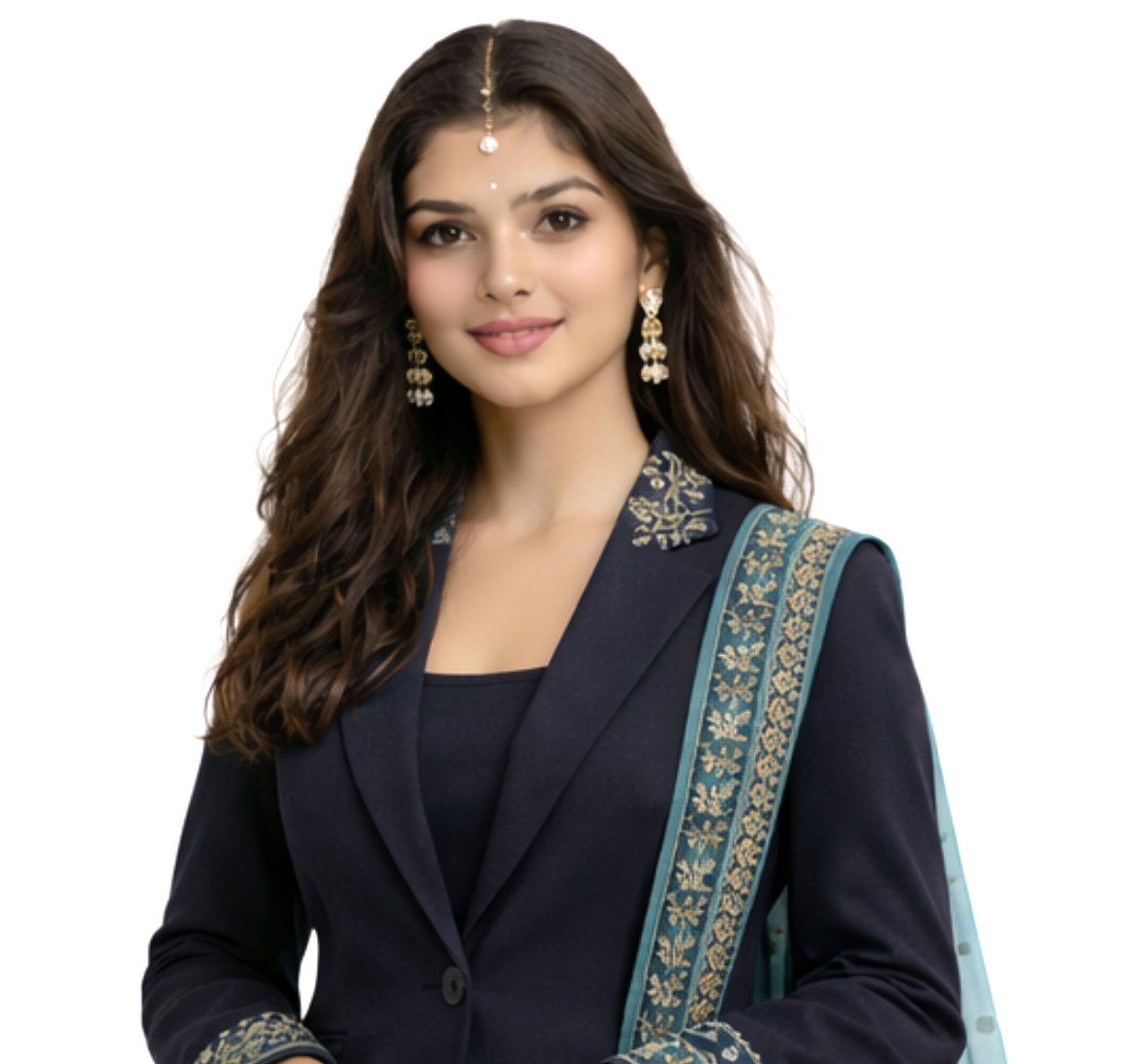
Rather than wrestling with lifeless digital avatars, the designer sets up a fluid, 2D-to-3D compositing environment that utilizes their actual fit models. They dictate the exact parameters to their digital agent:
“Establish a secure visual prototyping dashboard for my studio. I need a dual-input interface. The first module must accept high-resolution photographs of my human fit models in their natural studio lighting. The second module must accept flat-lay images of my new garment sketches, fabric swatches, or digital vector drawings. Upon execution, the engine must flawlessly stitch the garment image onto the live model. It must strictly preserve the model’s authentic posture, the natural shadowing of the room, and simulate the exact gravity and drape of the fabric, allowing me to evaluate the true proportion of the silhouette.”
The conversational engine synthesizes these complex instructions and deploys the tool immediately. The designer now possesses a frictionless virtual styling room. If they are debating whether a structured trench coat design should be cut from rigid gabardine or a fluid, lightweight silk blend, they no longer need to order minimum yardage of both materials. They simply upload the respective fabric textures into their bespoke Outfit Master utility and instantly evaluate the visual impact on their actual human model. This precision eliminates the guesswork from the sourcing phase.
Accelerating the Buyer Presentation
The utility of a bespoke virtual styling tool extends far beyond internal studio prototyping; it radically transforms how an independent brand conducts wholesale business during the critical market weeks.
Securing retail partnerships requires presenting a compelling line sheet or lookbook to boutique buyers. Traditionally, a designer could only show the pieces they had the budget to physically manufacture. If a buyer sitting in the showroom asked, “Does this slip dress come in emerald green instead of black?”, the designer had to rely entirely on the buyer’s imagination. Often, that lack of visual confirmation resulted in losing a lucrative purchase order.
When a designer controls their own conversational styling utility, they possess absolute visual agility. They can expand the tool’s parameters to serve as a highly interactive B2B sales portal. The designer simply instructs their engine to pivot:
“Integrate a rapid color-way generator into my Outfit Master interface. If a wholesale buyer requests a variation during a showroom appointment, I must be able to select the digitized garment currently on the model and instantly flood it with a new Pantone hex code. The system must maintain the original fabric texture, weave, and sheen while applying the new dye color.”
With this capability seamlessly integrated, the designer can confidently pitch a massive 30-piece collection to a luxury retailer while only having physically manufactured five core samples. The rest of the seasonal collection is presented through hyper-realistic digital synthesis, securing vital capital and purchase orders before a single yard of fabric is unnecessarily cut or sent to the factory floor.
Reclaiming Creative Autonomy
The barrier between a brilliant fashion concept and a profitable, sustainable clothing brand is no longer just venture funding; it is the speed and efficiency of iteration. The traditional, physical sampling cycle is a tremendously wasteful relic of an analog industry, while enterprise digital tools remain a luxury reserved for conglomerates with massive budgets.
By utilizing conversational technology to tailor a bespoke virtual styling environment, emerging designers reclaim their creative and financial autonomy. They replace the crippling overhead of physical prototypes and the steep learning curves of corporate software with a personalized digital studio that operates at the speed of thought.
Stop allowing technical limitations and massive factory minimums to dictate the scale of your debut collection. Speak to your intelligent engine, formulate your ultimate Outfit Master, and bring your unique fashion vision to the global market with unprecedented agility, sustainability, and precision.