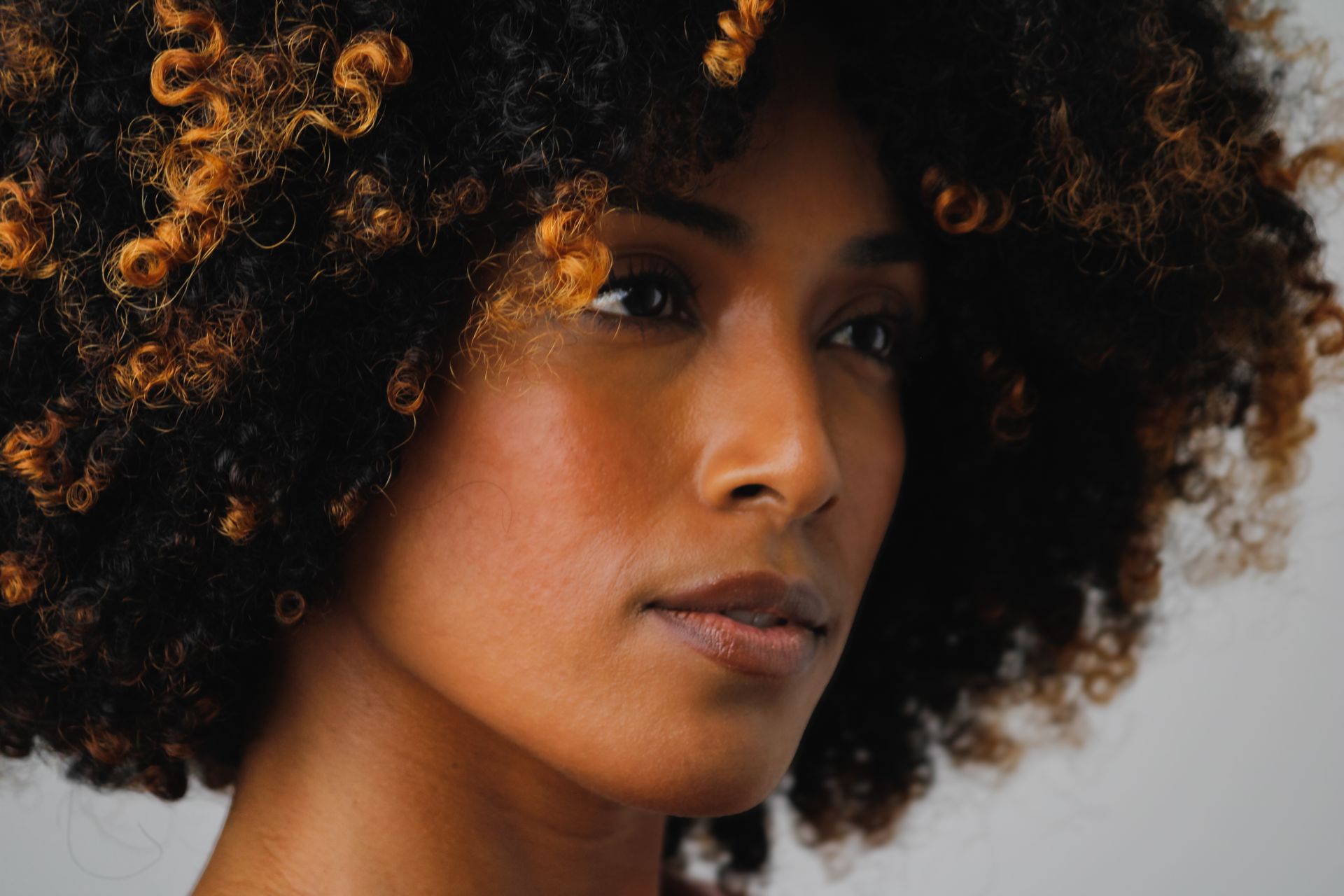
The Complete Guide to Curly Hispanic Hair Embrace, Nourish & Define Your Natural Curls
If you have grown up with lush, voluminous curls rooted in Hispanic heritage, you already know that your hair is anything but ordinary. It carries history, culture, and a natural beauty that straight-haired people spend hundreds of dollars and hours trying to replicate. But managing it — through humidity, heat, hard water, and an endless parade of products that were not designed with you in mind — can feel like a full-time job.
The good news? Understanding the unique characteristics of your curl pattern is the single most powerful step you can take toward hair that looks and feels incredible every single day. This guide breaks down everything you need to know about nurturing your natural texture, from the biology behind your curls to the routines that actually work.
Why Hispanic Hair Is Uniquely Beautiful — and Uniquely Challenging
Hispanic heritage spans dozens of countries and encompasses an enormous range of hair textures — from loose, beachy waves to tightly coiled 4c kinks. The reason for this diversity lies in the rich genetic mix that defines Latin American ancestry, blending Indigenous, African, European, and sometimes Asian roots into an incredibly varied tapestry of curl patterns.
This genetic diversity means that “Hispanic hair” is not a single type — it is a spectrum. Most people of Hispanic descent fall somewhere between a 2c wave and a 4b coil, with many sitting in the 3a–3c range (loose to medium spirals). The common thread across these textures is this: the cuticle layer tends to be more porous than that of straight-haired people, which makes the hair both beautifully responsive to hydration and frustratingly prone to frizz and moisture loss.
Understanding where your hair falls on the curl type chart is the first step to building a routine that genuinely works. Once you know your pattern, you can stop guessing and start choosing products and techniques that are actually engineered for your texture.
The Biggest Challenges for Curly Hispanic Hair — and What Causes Them
1. Frizz
Frizz is the number one complaint among curly-haired people worldwide, and it is especially prevalent in those with higher-porosity curls. When the outer cuticle of the hair strand is lifted (which happens due to humidity, heat damage, or chemical processing), moisture from the air enters the shaft unevenly, causing the strand to swell in unpredictable directions. The result? That halo of fluffy, undefined curl you were not planning on wearing today.
The fix is not to fight moisture — it is to seal it in on your own terms, using techniques like the LOC method (Liquid, Oil, Cream) to layer hydration from the inside out.
2. Dryness and Breakage
Curly and coily hair has a harder time staying moisturized than straight hair simply because of its shape. Natural oils produced by the scalp travel down a straight strand effortlessly. On a curly strand, they have to navigate twist after twist, which means the ends — especially on longer hair — are chronically dry and prone to breakage.
Deep conditioning treatments (at least once a week for tighter curl patterns), protein treatments every four to six weeks, and protective styles all play a role in keeping breakage at bay.
3. Shrinkage
Shrinkage is not damage — it is actually a sign that your curls are healthy and elastic. Curly hair can shrink anywhere from 30% to 75% of its actual length when dry. The tighter your curl, the more dramatic the shrinkage. While this is perfectly normal, it can be frustrating when you are trying to show off your length. Stretching techniques like twist-outs, braid-outs, or diffusing with tension can help elongate your curl pattern without heat damage.
Building the Right Routine: What Curly Hispanic Hair Actually Needs
Step 1: Cleansing — Ditch the Sulfates
Traditional shampoos loaded with sulfates strip the natural oils your curls desperately need. Opt for a sulfate-free co-wash (conditioner wash) two to three times per week, and use a clarifying shampoo — sparingly, once a month — to remove product buildup without over-drying.
Step 2: Conditioning — Never Skip It
Conditioning is not optional for curly hair — it is the cornerstone of everything. Use a rich rinse-out conditioner after every wash, and work in a deep conditioning mask for at least 15–30 minutes weekly. Look for ingredients like shea butter, argan oil, aloe vera, and glycerin. These are known humectants and emollients that draw moisture in and lock it there.
Step 3: Styling — Apply Products to Soaking Wet Hair
This is the step most people get wrong. Curly hair styling products — creams, gels, custards — should always go onto dripping-wet hair, not damp or dry. The excess water acts as a carrier, distributing the product evenly from root to tip and helping your curls clump together into defined spirals instead of separating into frizz.
The Praying Hands method (smoothing product down the outside of each section) and Scrunching (squeezing product upward toward the roots) are two techniques that work particularly well for Hispanic curl patterns.
Step 4: Drying — Low Heat or Air Dry
Whenever possible, let your hair air dry. If you are in a hurry or live in a humid climate where air-drying results in extra frizz, use a diffuser on the lowest heat setting. Microfiber towels or old cotton T-shirts are far gentler than standard terry cloth for blotting excess water — regular towels rough up the cuticle and add to frizz.
Ingredients to Embrace — and Avoid
Reading ingredient lists can feel like decoding a chemistry textbook, but a few key rules will serve you well:
- Embrace: Shea butter, coconut oil, argan oil, jojoba oil, aloe vera, glycerin, hydrolyzed proteins (for strength), marshmallow root (for slip)
- Avoid: Sulfates (SLS, SLES), silicones that build up without water (dimethicone, cyclopentasiloxane), high-alcohol formulas (denatured alcohol, isopropyl alcohol), and heavy petrolatum unless sealing the ends only
If you want a deeper dive into the specific curl patterns, cultural context, and product recommendations that apply to your texture, this comprehensive resource on curly hispanic hair covers everything from curl typing to heritage-specific haircare rituals that actually translate into real-world results.
Protective Styles That Work for Your Curl Type
Protective styling is one of the most effective ways to retain length, minimize manipulation, and give your curls a rest from daily styling. The key is choosing styles that do not put excessive tension on your edges or scalp — two areas where Hispanic hair tends to be particularly vulnerable.
- Twist-outs and braid-outs: Great for 3a–3c textures, these styles deliver elongated, defined curls without heat.
- Bantu knots: Excellent for 3c–4b textures. Set overnight on freshly conditioned hair for spiral definition in the morning.
- Box braids and cornrows: Ideal for longer retention periods (2–6 weeks). Always moisturize underneath and do not leave them in past six weeks.
- Pineapple method: A simple high ponytail for preserving your curl pattern overnight. Use a satin scrunchie, never a rubber band.
How to Refresh Your Curls Between Wash Days
One of the most liberating things you can learn is that wash days do not have to happen every day. In fact, washing too frequently is one of the leading causes of dry, brittle curls. Most curly hair textures thrive with one to three washes per week, with refreshes in between.
A good refresh involves lightly misting your curls with water or a curl refresher spray, scrunching in a small amount of your leave-in conditioner or curl cream, and diffusing or air-drying to reactivate your curl pattern. A satin bonnet or pillowcase at night is non-negotiable — it prevents friction and keeps your style intact for longer.
Embracing Your Natural Texture in a World That Has Not Always Celebrated It
For many people of Hispanic heritage, the journey to loving natural curls has not been straightforward. Decades of beauty standards that prioritized sleek, straight hair — and family traditions of blowouts and flat irons — created a generation of curly-haired people who had never actually seen what their natural texture looked like.
The curly hair movement has done a great deal to shift this narrative. Seeing people who look like you wearing their natural texture with confidence is powerful. The natural hair community — particularly the curly Latinx community on social media — has been instrumental in spreading education, sharing product recommendations, and normalizing the beautiful diversity of Hispanic curl patterns.
The diversity within hispanic curly hair is something worth celebrating rather than trying to homogenize. Whether your curls are loose and wavy or tightly coiled, your pattern is valid, beautiful, and worth caring for on its own terms.
Final Thoughts
Caring for curly hair is not about chasing perfection — it is about understanding your unique texture and giving it what it genuinely needs. The right shampoo, a good deep conditioning practice, protective styles, and a little patience will take you further than any chemical straightener or extreme heat tool ever will.
Start with the basics: hydrate, seal, protect. Pay attention to how your hair responds to different products and techniques, because your curl pattern is as individual as you are. And most importantly, enjoy the journey — because curly hair, in all its voluminous, frizz-prone, beautiful complexity, is absolutely worth it.