
Fashion Weeks & Events, Fashion Trends & Future, resources
Schizophrenia Support: Building Wellness Beyond the Runway

The fashion industry is a world built on the power of the image, where the pursuit of aesthetic perfection often masks the raw, complex realities of the human condition. We’re accustomed to high-pressure environments, the relentless pace of seasonal cycles, and a culture that prizes the look above almost all else. Yet, it’s also a community of creators, models, and executives who navigate profound internal battles.
Schizophrenia, in particular, can also exist within ateliers and backstage corridors, often in total silence. To build wellness beyond the runway, we must dismantle the archaic stigmas that suggest a diagnosis is the end of a creative life. Schizophrenia support for those in fashion requires a structural shift toward empathy, stability, and the recognition that brilliance and neurodiversity aren’t mutually exclusive.
Schizophrenia Support: Building Wellness Beyond the Runway
Understanding the Diagnosis
For too long, the world treated schizophrenia as a synonym for chaos or a total loss of self. In reality, schizophrenia is a manageable mental health condition characterized by a spectrum of experiences, from auditory hallucinations and delusions to negative symptoms like social withdrawal or a flat effect (a visibly diminished emotional range that can be easily mistaken for aloofness or disengagement).
Within the fashion industry, where eccentricity is often celebrated as a hallmark of genius, the early signs of a struggle can be easily misinterpreted or ignored. When a colleague or a talent begins to drift, it’s a signal for support. By understanding that schizophrenia is a biological reality rather than a character flaw, we can begin to create a workspace where individuals feel safe enough to seek treatment without fearing the immediate death of their careers.
Balancing Treatment and Talent
There’s a persistent, dangerous myth that medication blunts the creative edge. Many in the creative arts fear that seeking treatment for schizophrenia will result in the loss of their “vision.” Yet antipsychotic medications, when properly managed, are among the most important tools for restoring a person’s ability to function, focus, and ultimately create. However, best-practice treatment today also requires monitoring and addressing the metabolic health risks that can accompany long-term antipsychotic use, such as weight gain, elevated blood sugar, and cardiovascular changes, ensuring that physical wellness is never sacrificed in service of mental stability.
Thoughtful medication management, developed in partnership with a psychiatrist, provides the floor upon which creativity can stand; it prevents the noise from becoming so loud that the work can’t be finished. This process works best when embedded in a broader care plan that includes regular psychiatric care, a balanced lifestyle, and a strong social net.
Many individuals living near the Santa Monica Mountains are seeking a profound treatment center in Woodland Hills that can guarantee a comprehensive and structured approach to long-term wellness. Accessing these specialized local resources helps patients integrate medical oversight with everyday routine for sustainable health improvements.
For many, achieving this equilibrium requires a dedicated environment where both physical health and mental clarity are prioritized simultaneously. Choosing a comprehensive path such as residential treatment for schizophrenia offered by a reputable provider allows individuals to stabilize under expert supervision. These professional settings offer the integrated medical monitoring and therapeutic support necessary to protect a creator’s long-term vitality and talent.
Creating a Supportive Workspace
The traditional fashion workspace is a sensory minefield, filled with flashing lights, loud music, and a constant influx of demands. For someone managing schizophrenia, this environment can exacerbate symptoms or trigger episodes of sensory overload.
Building wellness means reconsidering the architecture of our workdays. This involves fostering a culture of predictability in an industry that thrives on the last-minute. Providing clear, written communication, establishing consistent routines, and offering quiet zones during high-stress events like fashion weeks can make an immeasurable difference. Support also means training leadership to recognize the nuances of the condition, including cognitive issues such as difficulty concentrating or processing complex instructions, so they can serve as compassionate conduits to professional help. It also means acknowledging that co-occurring challenges, such as substance use or conditions like bipolar disorder, can complicate an individual’s experience and require layered, personalized care.
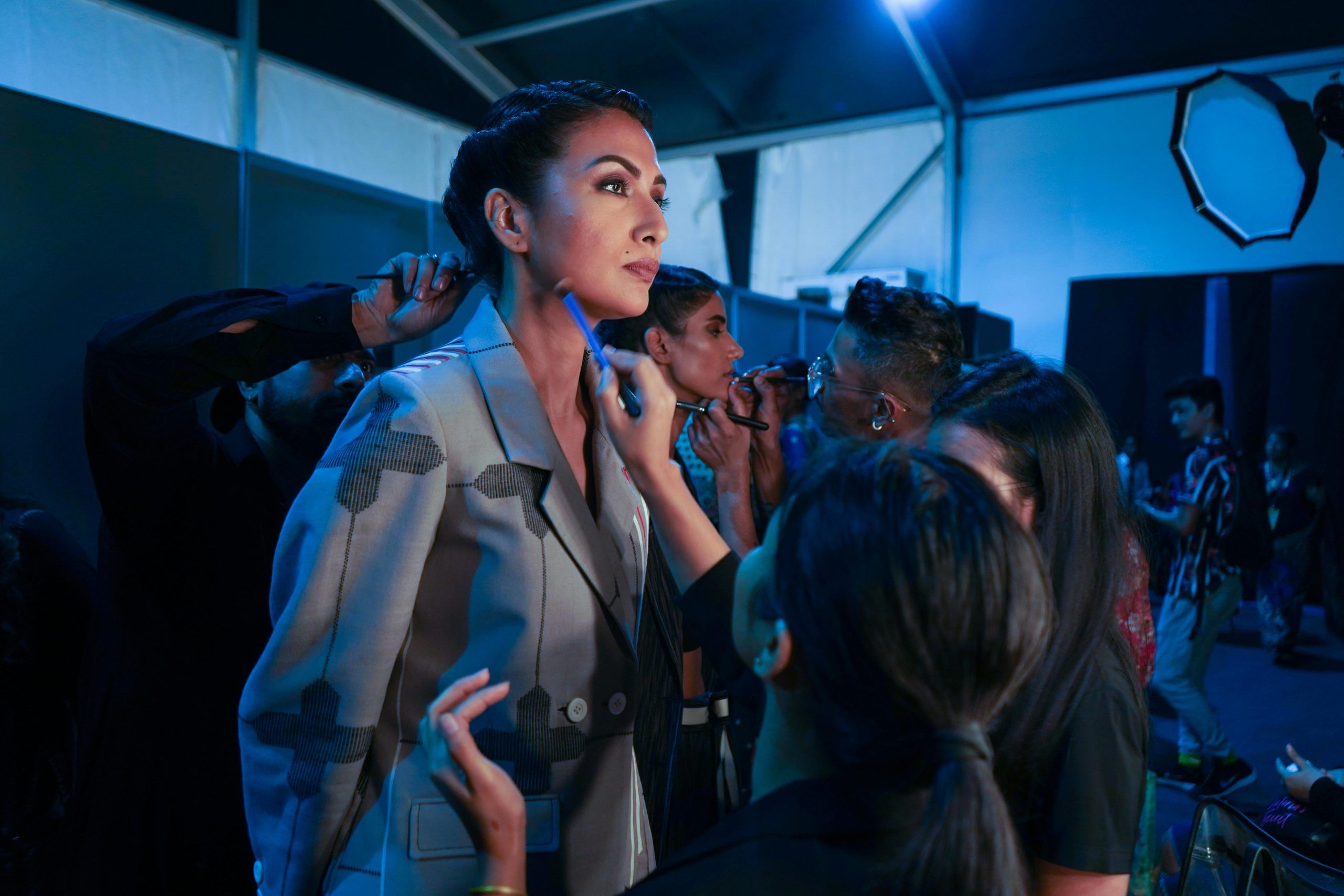
Schizophrenia Support: Building Wellness Beyond the Runway
Managing Public Pressure
Fashion is inherently public, and for those living with schizophrenia, the pressure of visibility can be a significant hurdle. The fear of being found out or judged by an industry that prizes a very specific brand of mental sharpness can lead to dangerous levels of isolation.
True schizophrenia support involves creating a grace period within professional contracts and social circles. The idea of taking a hiatus for mental health maintenance without it being career suicide ought to be normalized. This is especially critical when someone experiences a first episode of psychosis, a period that demands immediate clinical attention and compassionate professional understanding in equal measure. Preparing mental health advance directives (documented personal instructions outlining an individual’s treatment preferences before a crisis occurs) can give professionals and colleagues clear, respectful guidance during these moments, removing ambiguity and protecting the person’s autonomy.
If a model or a designer needs to step back to adjust medication or engage in intensive therapy, the industry’s response should be one of preservation rather than replacement. This shift requires agents, publicists, and brand managers to act as advocates, protecting the individual’s privacy while ensuring their place in the industry remains secure upon their return.
Building a Culture of Empathy
Ultimately, the fashion industry is a small, interconnected web of relationships. The most powerful tool for supporting schizophrenia is radical empathy. It involves the active work of checking in, listening without judgment, and refusing to participate in the gossip that often surrounds mental health struggles in our circles.
A robust peer support program has proven especially effective in clinical settings, and its model (grounded in shared lived experience) translates powerfully into creative communities as well. Connecting someone to a mental health support community of professionals who understand both the demands of the industry and the realities of mental illness can reduce isolation in ways that formal clinical settings sometimes cannot. For those navigating treatment-resistant schizophrenia, where standard protocols have fallen short, psychosocial support, encompassing therapeutic relationships, social skill-building, and structured community engagement, can help individuals re-engage with care on their own terms and rebuild a sense of agency.
Additionally, when a psychotic episode occurs in a professional setting, a swift and non-stigmatizing response from colleagues and management can be the difference between a person getting help and retreating further into silence. Early assessment services, made accessible through industry-partnered mental health initiatives, can ensure that warning signs are identified and addressed before a crisis escalates. Understanding how the brain works under the influence of psychosis, particularly how it distorts perception and disrupts communication, allows colleagues to respond with informed compassion rather than fear or frustration. For colleagues and caregivers alike, understanding schizophrenia and psychotic disorders can help reduce stigma, encourage earlier intervention, and foster a more supportive environment for long-term recovery. Access to comprehensive treatment services, including therapy, medication management, and crisis intervention, should be embedded into industry health plans and made easy to navigate without bureaucratic barriers.
Conclusion
Schizophrenia doesn’t have to be a barrier to a successful, storied career in fashion. By moving toward a model of wellness that prioritizes stability, clear communication, and a rejection of stigma, every creative voice has the chance to be heard. The fashion industry ought to be a supportive community where mental health is treated with the same prestige and attention as the finest couture.
Share

Pallavi Singal
Editor
Pallavi Singal is the Vice President of Content at ztudium, where she leads innovative content strategies and oversees the development of high-impact editorial initiatives. With a strong background in digital media and a passion for storytelling, Pallavi plays a pivotal role in scaling the content operations for ztudium's platforms, including Businessabc, Citiesabc, and IntelligentHQ, Wisdomia.ai, MStores, and many others. Her expertise spans content creation, SEO, and digital marketing, driving engagement and growth across multiple channels. Pallavi's work is characterised by a keen insight into emerging trends in business, technologies like AI, blockchain, metaverse and others, and society, making her a trusted voice in the industry.


