
The luxury watch market is built on perception. Brand names carry weight. Logos communicate status. Price tags signal exclusivity. But what about the actual watches? We’re asking uncomfortable questions today. Is paying $15,000 for a Swiss name always worth it? Are there smarter alternatives? Can independent brands compete on quality? Today, we’ll examine an interesting pick: Tufina Watches.
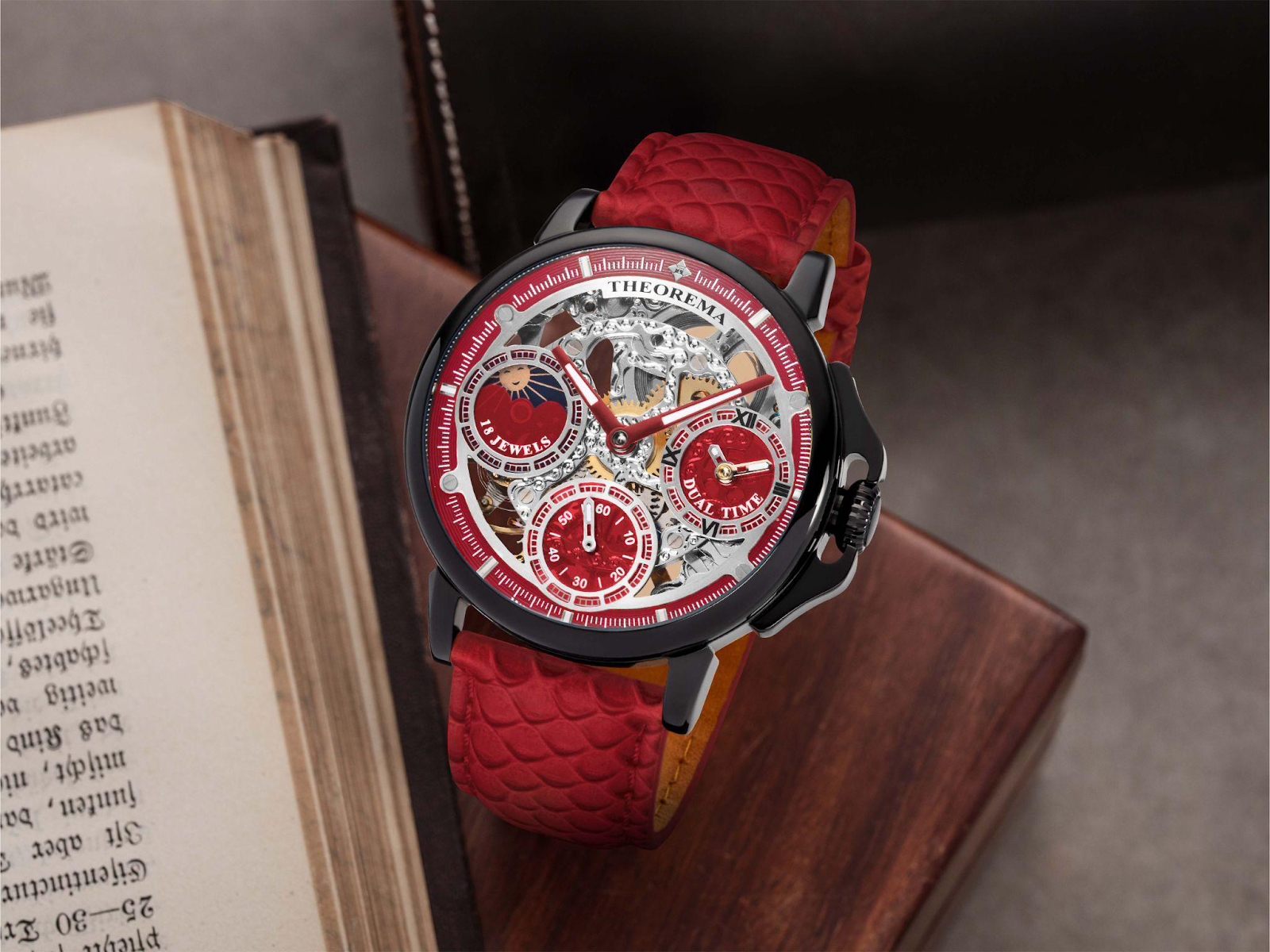
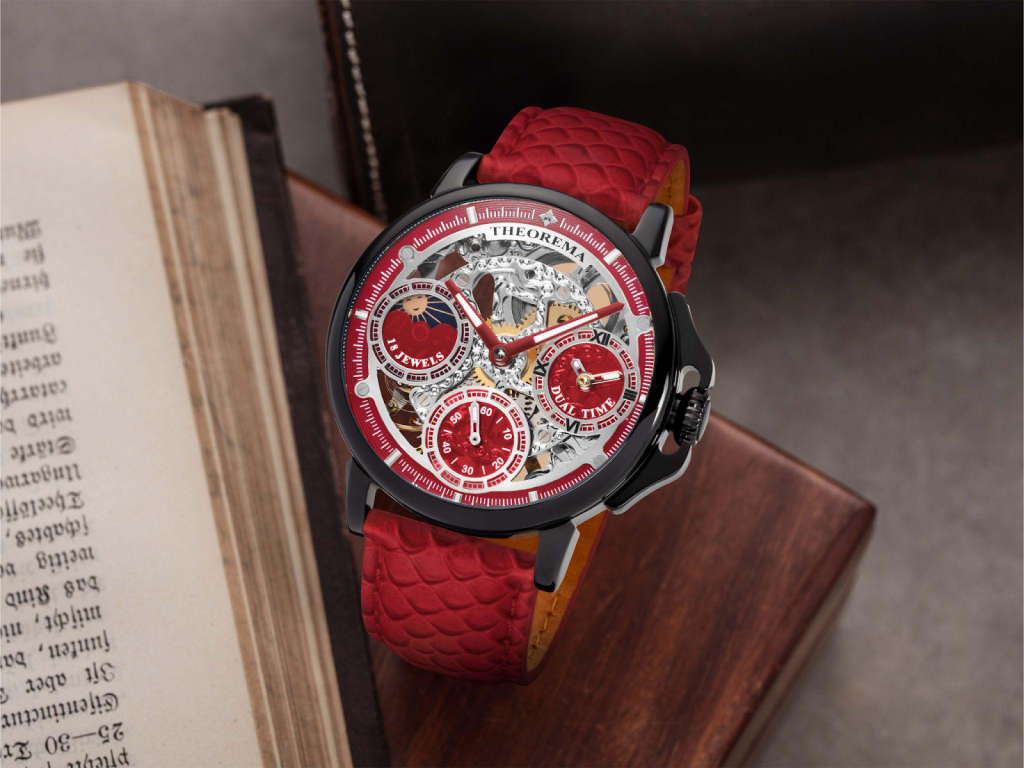
Tufina Watches Theorema Buenos Aires GM-114-13 – Mechanic Skeleton Watch.
Defining Luxury in Watches
First, we need to clarify what luxury actually means. For some, it’s the brand. Wearing a recognizable name. Walking into rooms and being noticed. That’s valid. Status matters to people.
For others, luxury means craftsmanship. Movement quality. Finishing. Complications. The watch itself, regardless of who made it. These are different definitions. They lead to different purchases.
As a smaller, family-owned independent brand, Tufina serves the second group. People who care more about what’s inside than what’s printed on the dial.
The Traditional Luxury Model
Here’s how established luxury brands work. They own the heritage. Centuries of operation. Marketing budgets in the hundreds of millions. Boutiques on every luxury shopping street worldwide.
They also own the markup structure. A watch costs $2,000 to make. They sell it to distributors for $6,000. Distributors sell to retailers for $10,000. Retailers charge you $18,000.
Most of what you pay isn’t “watch”. It’s infrastructure. Marketing. Retail space. Brand building.
Nothing wrong with this. It’s business. But it means you’re paying for things beyond craftsmanship.
The “Independent” Alternative
Independent brands operate differently. Smaller operations. Lower overhead. Direct sales models. No massive marketing campaigns. No global boutique networks. The money goes into the watches. Better movements. Superior materials. More hand work. Lower final prices.
Tufina exemplifies this approach. Munich-based. Family heritage dating to 1828. Focus on mechanical watchmaking. Everything assembled by hand. Their Theorema and Pionier lines compete on quality, not name recognition. The question is whether that’s enough.
Hand Assembly at Scale
Let’s talk process. Because this matters more than marketing admits. Many luxury brands claim hand assembly. But what does that mean? Often it means final assembly. The movement comes from a supplier. Already built. Already tested. A watchmaker just puts it in a case.
Tufina does full hand assembly. Every component gets handled manually. Every adjustment gets made by a person. Every watch gets individual attention.
The movements arrive as parts, not finished units. Watchmakers build them piece by piece. Bridges, wheels, jewels, balance, escapement. All fitted by hand.
This takes exponentially longer. A production line watch might get assembled in an hour. A hand-assembled Tufina can take days. But the result is accountability. One watchmaker. One watch. Their name on the quality control sheet.
Tufina uses precision instruments. Computer-aided design for component accuracy. Advanced testing equipment for quality control. Modern tools for measuring tolerances.
But the assembly? Purely manual. They don’t let machines put watches together. They use machines to verify human work. To ensure precision. To catch errors before watches leave the workshop.
This combination makes sense. Technology excels at measurement. Humans excel at judgment and fine motor control.
Monitoring happens entirely manually. A watchmaker tests timing across positions. Checks amplitude. Adjusts regulation. No automated systems. No computer saying “pass” or “fail.” This hybrid approach delivers better results than either extreme. Pure traditional methods lack precision. Pure automation lacks soul.
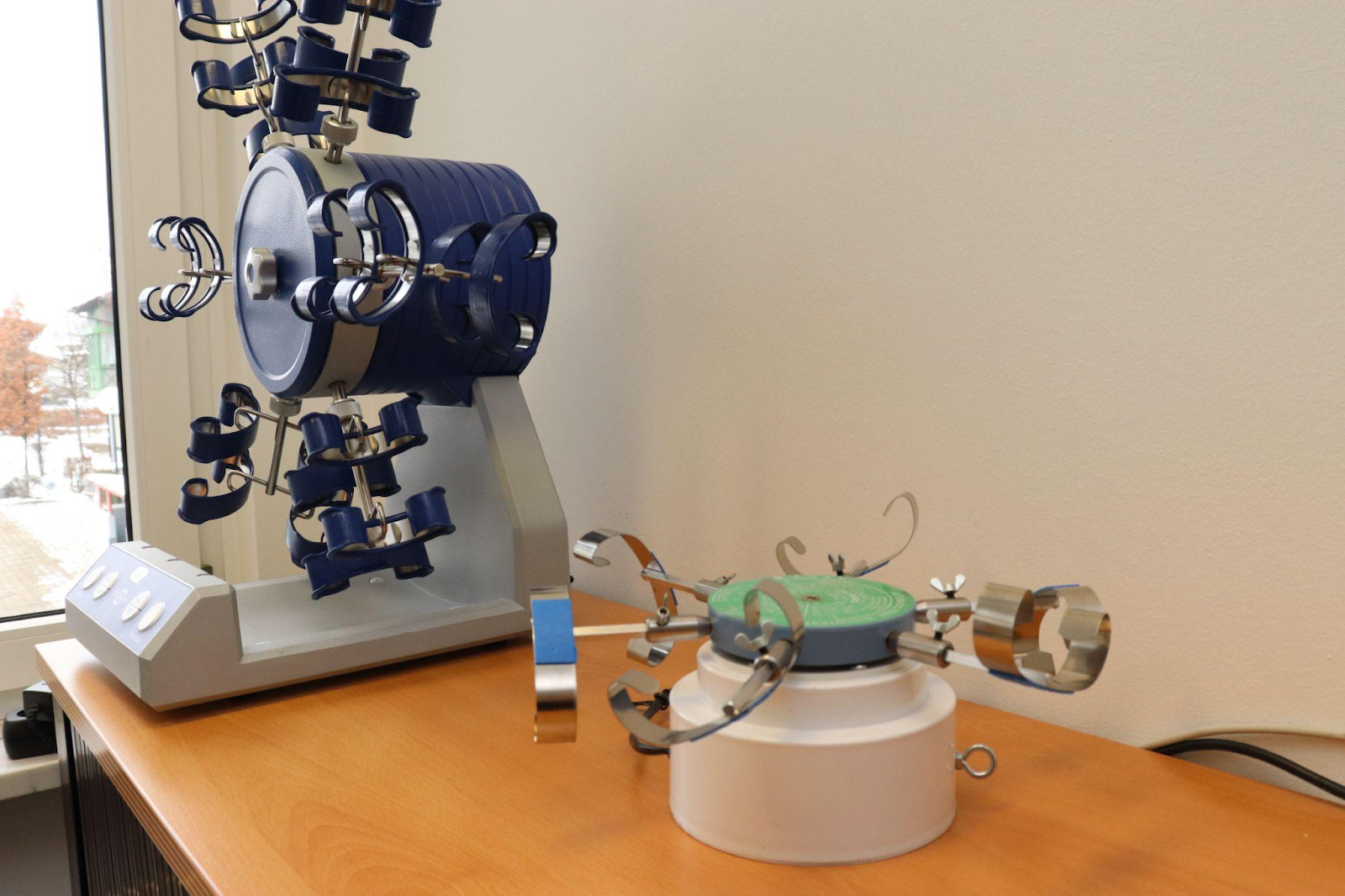
Elma Cyclomotion watch winder and Cyclotest used at Tufina laboratories.
Limited Production Reality
Tufina can’t make thousands of watches monthly. With 100% hand assembly and manual monitoring, production caps naturally occur. Some Theorema models produce in runs of 200-300 pieces yearly. Complicated models might see 50 pieces. Tourbillon watches? Even fewer.
This isn’t “manufactured” scarcity for marketing purposes. It’s actual limitation. You can’t hand-assemble faster without cutting corners. You can’t manually monitor more watches without hiring more master watchmakers. And master watchmakers are rare.
Compare this to luxury brands producing 50,000 or 100,000 watches annually. They might call it “limited production.” But the limitations are different. Like many other genuine independent brands, Tufina’s limitations are about maintaining quality. Not about creating artificial demand.
Breaking Down the Price Equation
Let’s get specific with numbers. A traditional luxury brand mechanical watch costs $12,000-$25,000. What are you actually buying?
Maybe $2,000-$3,000 in materials and labor. Another $1,000-$2,000 in brand operations. The rest? Marketing, retail markup, distribution costs, brand positioning.
A comparable Tufina watch costs $2,000-$4,000. Similar movement complexity. Same material quality. Equivalent finishing standards. The difference? Direct sales eliminate retail markup. Smaller operations reduce overhead. No celebrity endorsements to fund. No Formula 1 sponsorships to support.
The savings go to either lower prices or better components. Usually both.
Complications Worth Having
Complications separate serious watches from simple time-tellers. Tufina offers various complications. Tourbillons, dual-time functions, full calendar displays and more. These complications guarantee real utility as well as a significant technical challenge.
Compare pricing. A Swiss tourbillon starts around $50,000. Often exceeds $100,000. Sometimes reaches $500,000. Pionier and Theorema offer tourbillons at a fraction of that cost. Not because they’re inferior. Because the business model is different.
Material Standards
Materials matter for longevity. Tufina uses 316L stainless steel for cases. This is proper marine-grade steel. Corrosion resistant. Durable enough for decades. The same grade luxury brands use.
Gold plating, when applied, is done with 22-karat gold, which is quite a thick wash. Sapphire crystals come standard across the range. Straps use genuine leather. Quality hides that age well. Develop patina. Last years with care.
These are luxury-grade materials. Not fashion watch substitutes. The actual components luxury brands use.
Durability and Service Life
Mechanical luxury watches last indefinitely. If serviced properly. The question is whether service is accessible and affordable. Some luxury brands charge $1,000-$2,000 for basic service. Others charge more.
Tufina handles service directly. They know their watches intimately. They have replacement parts. They understand the movements because they assembled them. Service costs remain reasonable. Not luxury brand prices. You’re dealing directly with the manufacturer.
The watches themselves are built to last. Quality materials resist wear. Mechanical movements can be serviced and rebuilt indefinitely. No electronic components to fail. Buy a Tufina today, service it every five years, it’ll run for generations. That’s real luxury: longevity.
Brand Recognition Trade-Off
Let’s address the elephant in the room. Most people at a cocktail party won’t know Tufina. You won’t impress people who are into big fashion names. You won’t get recognized in restaurants.
If that matters to you, buy the traditional luxury brand. Seriously. No judgment. Social signaling has value.
But if you care about the watch itself? Tufina delivers equivalent or superior value. The person who knows watches will respect what’s on your wrist. The person who doesn’t wouldn’t appreciate your Swiss luxury brand anyway.
You’re choosing substance over status. Quality over recognition. An “out-of-the-box” pick that other watch admirers will appreciate. That requires confidence.
Comparing Long-Term Value
Luxury watches hold value differently than they used to. Many Swiss brands appreciate. Most stay stable or depreciate slightly. A few lose significant value immediately after purchase.
Tufina watches won’t appreciate like a Rolex or Patek Philippe. That’s reality. They’re not established enough. The secondary market is smaller.
But they also don’t carry the inflated new price. You’re paying closer to actual value upfront. Depreciation from new to used is smaller because the initial markup was smaller.
Long-term, if you maintain the watch, it will remain functional forever. That’s the real value. A working mechanical watch. If you’re not focused on buying a watch solely as an investment to resell for profit, but instead want a timepiece that will last for generations, Tufina is a great fit.
The Smart Buyer’s Perspective
Smart buying means matching product to needs.
Need brand recognition? Buy established luxury. Need investment potential? Buy limited editions from top Swiss brands. Need pure status signaling? Buy the most expensive watch you can afford.
Need a high-quality mechanical watch with proper complications at honest prices? Tufina makes sense.
The smart pick depends on what you’re optimizing for. There’s no universal answer. But there are honest answers for different priorities.
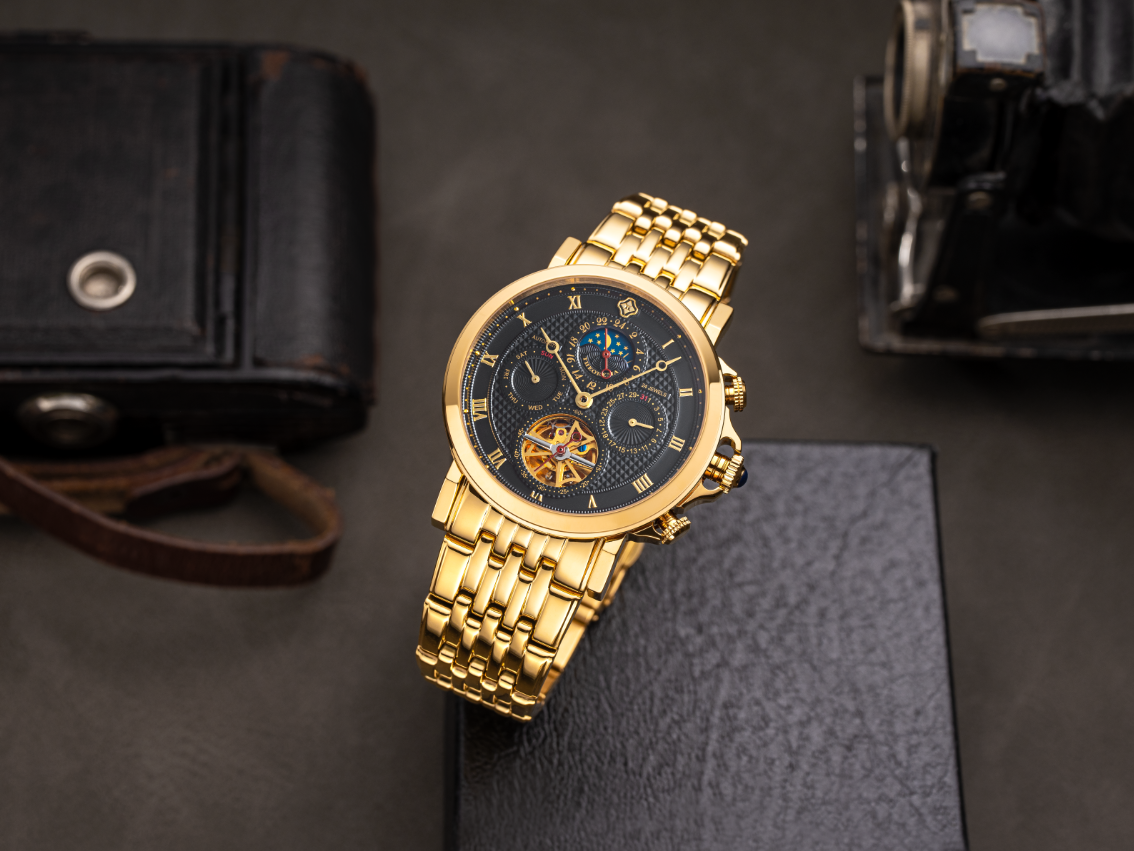
Tufina Watches Theorema Macau T3011-7 – Automatic Guilloché Dial Watch.
What You’re Actually Getting
With Tufina, you get:
- • Hand-assembled mechanical movements built by individual watchmakers.
- • Manual monitoring and regulation across multiple positions.
- • Quality materials matching luxury standards.
- • Legitimate complications properly executed.
- • Direct manufacturer relationship for service and support.
You don’t get: Massive brand recognition. Boutique shopping experience. Investment-grade appreciation potential. Social status signaling.
The question is which list matters more to you.
Making the Choice
Is Tufina the smarter pick? If you measure smartness by quality per dollar spent, yes. You’re getting equivalent mechanical quality at lower prices. Hand assembly. Proper complications. Quality materials.
If you measure smartness by brand appreciation, maybe not. Traditional luxury brands win on recognition and investment potential.
If you measure smartness by personal satisfaction with craftsmanship, we believe Tufina has something great to offer. It all depends on your values. Some people care deeply about hand assembly and independent operations. Others care more about brand heritage.
The smartest pick is the one aligned with your priorities. Know what you value. Buy accordingly.
We can’t tell you which matters more. That’s personal. But we can tell you that Tufina delivers on its promises. Quality mechanical watches. Honest pricing. Real craftsmanship.
Sometimes the smartest pick isn’t the obvious one. Sometimes it’s the one that matches your actual priorities rather than conventional wisdom. Tufina gives you that option. The rest is up to you.

Himani Verma is a seasoned content writer and SEO expert, with experience in digital media. She has held various senior writing positions at enterprises like CloudTDMS (Synthetic Data Factory), Barrownz Group, and ATZA. Himani has also been Editorial Writer at Hindustan Time, a leading Indian English language news platform. She excels in content creation, proofreading, and editing, ensuring that every piece is polished and impactful. Her expertise in crafting SEO-friendly content for multiple verticals of businesses, including technology, healthcare, finance, sports, innovation, and more.