
For anyone who has ever taken off a necklace to find a red mark on the skin, or slipped on a pair of earrings only to feel an unfamiliar itch by mid-afternoon, jewelry can feel less like an accessory and more like a gamble. The good news is that irritation is rarely random. It usually traces back to a handful of well-understood materials and manufacturing shortcuts, which means shoppers can make smarter choices once they know what to look for. This is where the language of hypoallergenic jewelry comes in, and it is worth understanding what that term actually promises.

What “Hypoallergenic” Really Means
Hypoallergenic does not mean allergy-proof. The term signals that a piece is designed to be less likely to cause a reaction, not that it is medically guaranteed to be inert for every wearer. It is a relative claim rather than an absolute one. Because there is no single universal standard governing the word across the fashion industry, its usefulness depends entirely on what a piece is actually made of and how it is finished. A ring described as hypoallergenic but built on a cheap mixed-metal core may still cause trouble, while an unlabeled piece of solid sterling silver may sit comfortably for years. In short, the material matters far more than the marketing.
Why Some Jewelry Irritates the Skin
The most common culprit behind skin reactions is nickel, one of the most frequent contact allergens in the world. Nickel is inexpensive and durable, so it turns up in countless low-cost pieces, often hidden inside alloys or beneath a thin decorative surface. Several factors tend to compound the problem:
- Low-grade base metals such as unregulated brass or nickel-heavy alloys, which release trace metal ions when they meet sweat and skin oils.
- Worn or thin plating, where a flash of gold-colored coating rubs away over months of wear and exposes the reactive metal underneath.
- Moisture and friction, since perspiration, lotions, and daily movement all accelerate how quickly a coating breaks down.
Understanding this chain of cause and effect explains why the same person can wear one necklace happily for years while another leaves a green or itchy mark within a day.
Which Materials Are Safer
Once nickel is understood as the main offender, choosing better materials becomes far easier. Several options are gentler for many people with sensitive skin:
- Sterling silver (925) — an alloy that is overwhelmingly pure silver, prized for being both durable and kind to reactive skin when made to a genuine standard.
- Surgical stainless steel — a resilient, corrosion-resistant choice often used for piercings and everyday wear.
- Solid gold — higher karat gold contains less alloy, though it sits at a considerably higher price point.
- Quality gold plating over a trustworthy base — when a substantial layer of gold is applied over sterling silver rather than mystery metal, it offers the look of gold with a far friendlier foundation.
How to Shop for Sensitive Skin
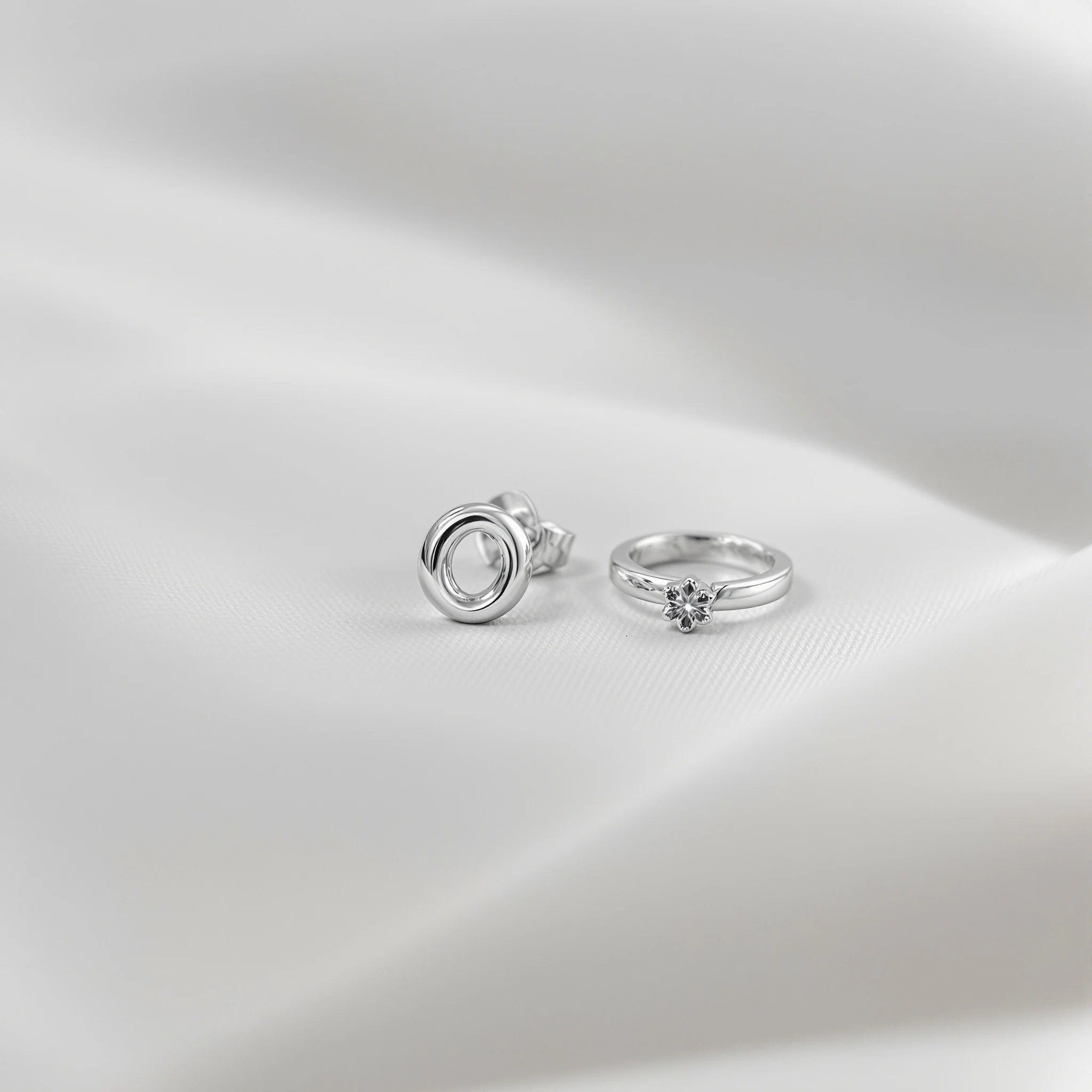
The single most useful habit is to read the material description rather than the headline. Look for a stated base metal, not just a color or a finish, and treat vague terms like “gold-tone” or “fashion metal” as a signal to ask more questions. Affordable-luxury brands have made this easier by building their whole range around skin-friendly foundations. For example, AJLuxe designs its personalized pieces on a 925 sterling silver base, with many styles offered in 18K gold plating, so shoppers can get the look of fine jewelry without gambling on an unknown alloy. Buying from a brand that is transparent about its materials removes much of the guesswork that makes sensitive-skin shopping stressful.
It also helps to start with earrings and rings, the pieces most likely to reveal a reaction quickly, before committing to a full stack of everyday jewelry. Prioritize styles you will actually wear daily, since consistency of material matters more than owning a large collection.
Caring for Jewelry to Avoid Tarnish and Reactions
Even the friendliest materials benefit from good care, which protects both the finish and the skin. A few simple habits go a long way:
- Take jewelry off before showering, swimming, or exercising, since moisture and chlorine speed up tarnish and plating wear.
- Apply lotions, perfumes, and sunscreen first, then let them dry before putting jewelry on.
- Wipe pieces gently with a soft cloth after wear to remove sweat and oils.
- Store items dry and separate, ideally in a pouch or lined box, to slow oxidation and prevent scratches.
Sensitive skin does not have to mean giving up on beautiful jewelry. It simply rewards a more informed approach: knowing that hypoallergenic is a guide rather than a guarantee, recognizing nickel and worn plating as the usual troublemakers, and leaning toward genuine sterling silver, stainless steel, or quality plating over a trustworthy base. With a little label-reading and a modest care routine, most shoppers can build a collection that looks refined, lasts longer, and stays comfortable from morning to night.