The green-chemistry company says its patented dyeing process can cut water use by up to 40%, use eight times less energy and reduce fossil fuel consumption by 90%, while pushing for dyeing traceability to be included in Europe’s Digital Product Passport framework.
Textile dyeing remains one of fashion’s most resource-intensive production stages, and French green-chemistry company EverDye is developing a new process designed to reduce the environmental impact of colouring fabrics.
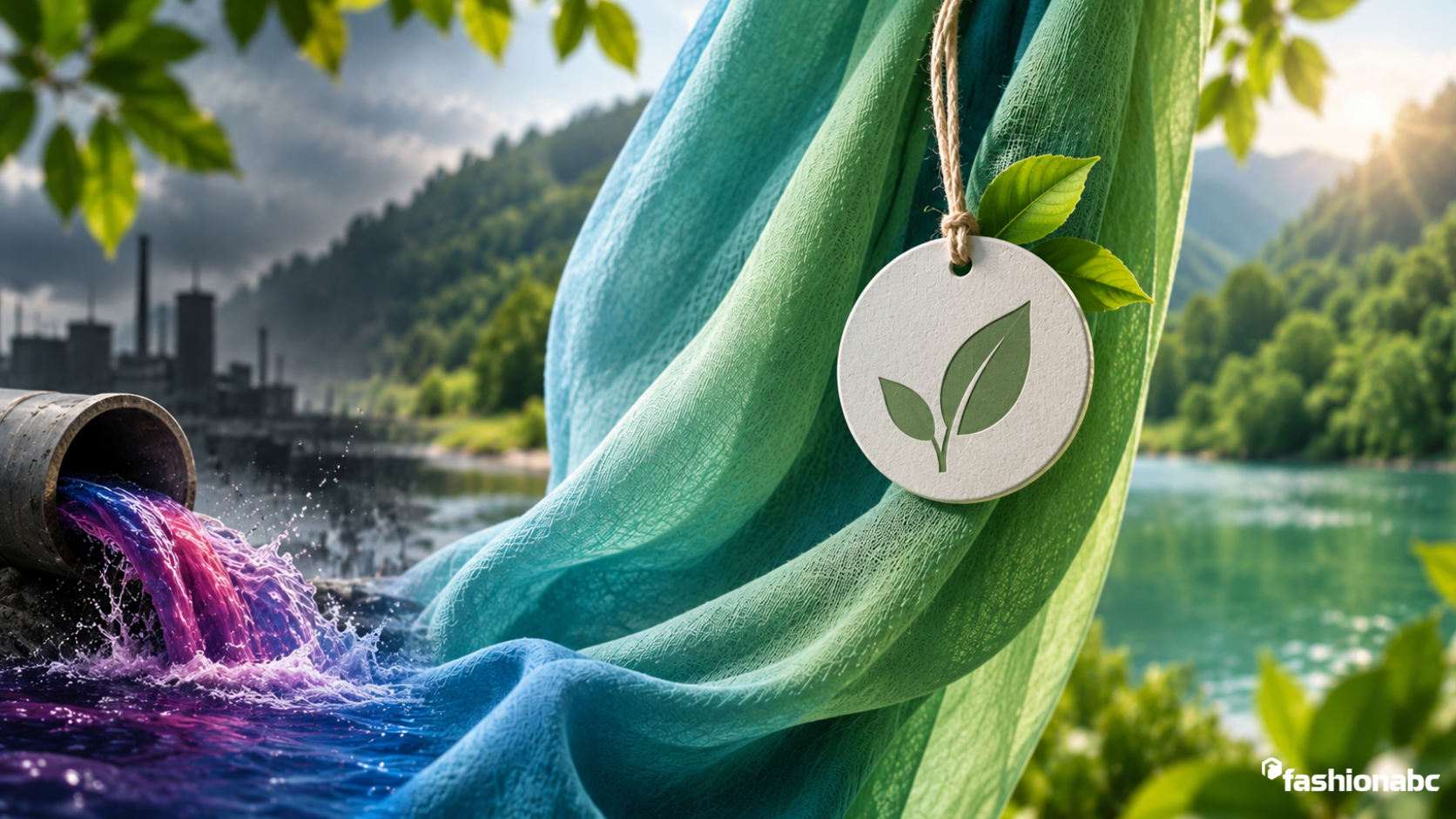
According to the company, conventional textile dyeing can require up to 150 litres of water per kilogram of textile and contributes significantly to industrial water pollution. EverDye says its patented process can reduce water consumption by up to 40%, use eight times less energy and cut fossil fuel use by 90%.
The company is also calling for greater transparency around how garments are coloured, arguing that upcoming European traceability rules should not stop at fibre origin and manufacturing location.
Dyeing Remains a Major Sustainability Challenge
Fashion’s environmental impact is often discussed through raw materials, overproduction and waste, but dyeing is another major part of the problem.
According to EverDye, textile dyeing accounts for approximately 20% of global industrial water pollution. The process can also consume large amounts of heat and energy because many conventional dyeing systems require high temperatures and repeated washing stages.
For brands trying to reduce their environmental footprint, improving fibre sourcing alone may therefore leave a substantial part of the production process untouched.
EverDye is positioning its technology as one way to address that gap by reducing both water and energy requirements during dyeing.
EverDye Wants to Change How Colour Is Produced
The company’s approach is based on green chemistry and aims to make textile dyeing less resource intensive without removing colour or creative flexibility from fashion.
EverDye says its process can deliver water savings of up to 40% while using significantly less energy than conventional methods. The company also reports a 90% reduction in fossil fuel use compared with traditional dyeing processes.
If those results can be maintained at industrial scale, the implications could extend well beyond individual garments. Dye houses operate at enormous volumes, meaning even modest reductions in water and energy per kilogram of fabric can accumulate across large production runs.
For fashion brands, that can turn dyeing from a largely hidden manufacturing issue into a measurable part of sustainability strategy.
The Digital Product Passport Could Go Further
EverDye is also focusing on traceability.
The European Union’s upcoming Digital Product Passport (DPP) framework is expected to make more information about products available digitally, including details linked to materials, origin and environmental performance.
EverDye argues that one critical piece of information should also be included: how the colour of a garment was produced.
That would mean a consumer or business could potentially see not only where a fabric came from, but also what kind of dyeing process was used and how resource intensive it was.
The idea is simple but important. Two garments made from similar fibres may have very different environmental footprints depending on the chemistry, water and energy used to produce their colour.
Colour Could Become Part of Fashion Traceability
Fashion has spent years building better systems for tracking fibres, factories and supply chains. Dyeing, however, often remains less visible to the end consumer.
Integrating dyeing information into a garment’s digital identity could change that.
Brands could use the data to compare suppliers, measure environmental performance and substantiate sustainability claims. Consumers could also gain a clearer picture of what sits behind a product’s colour rather than relying on broad labels such as “sustainable” or “eco-friendly”.
This would make colour part of a garment’s traceability story instead of treating it only as an aesthetic decision.
Sustainable Fashion Needs to Look Beyond Materials
Much of the sustainable fashion conversation focuses on whether a garment uses recycled, organic or lower-impact fibres. Those choices matter, but they represent only one stage of production.
Spinning, weaving, finishing, dyeing, transportation and garment assembly all contribute to a product’s final footprint.
EverDye’s argument is that sustainable fashion should therefore examine how colour is created with the same level of scrutiny applied to raw materials.
That becomes especially relevant as regulators demand greater product transparency and brands face more pressure to prove environmental claims with data.
European Sustainable Development Week Puts the Issue in Focus
The discussion comes during the 2026 edition of European Sustainable Development Week, which supports awareness and implementation of the United Nations’ 17 Sustainable Development Goals.
EverDye’s work connects particularly closely with goals around clean water, responsible production, climate action and industrial innovation.
For the fashion industry, the wider question is whether sustainability efforts can move far enough upstream to transform the production technologies themselves rather than relying mainly on better materials or end-of-life recycling.
About EverDye
EverDye is a green-chemistry company developing technology for more sustainable textile dyeing.
The company’s patented process is designed to reduce water and energy consumption while lowering dependence on fossil fuels. EverDye is also advocating for dyeing traceability to become part of the digital identity of garments, including through frameworks such as the European Digital Product Passport.