A neighborhood bakery, a home decor shop, and a two person skincare brand may look nothing alike, yet many of them lean on Instagram for the same reason. It gives small businesses a place to show products in action, answer questions in public and private, and turn casual interest into real orders. That matters because Instagram remains one of the largest social platforms by ad reach, with DataReportal reporting 1.74 billion users reached by Instagram ads in January 2025, while Instagram’s business tools continue to support professional accounts, Reels, shops, action buttons, and boosted content for businesses.
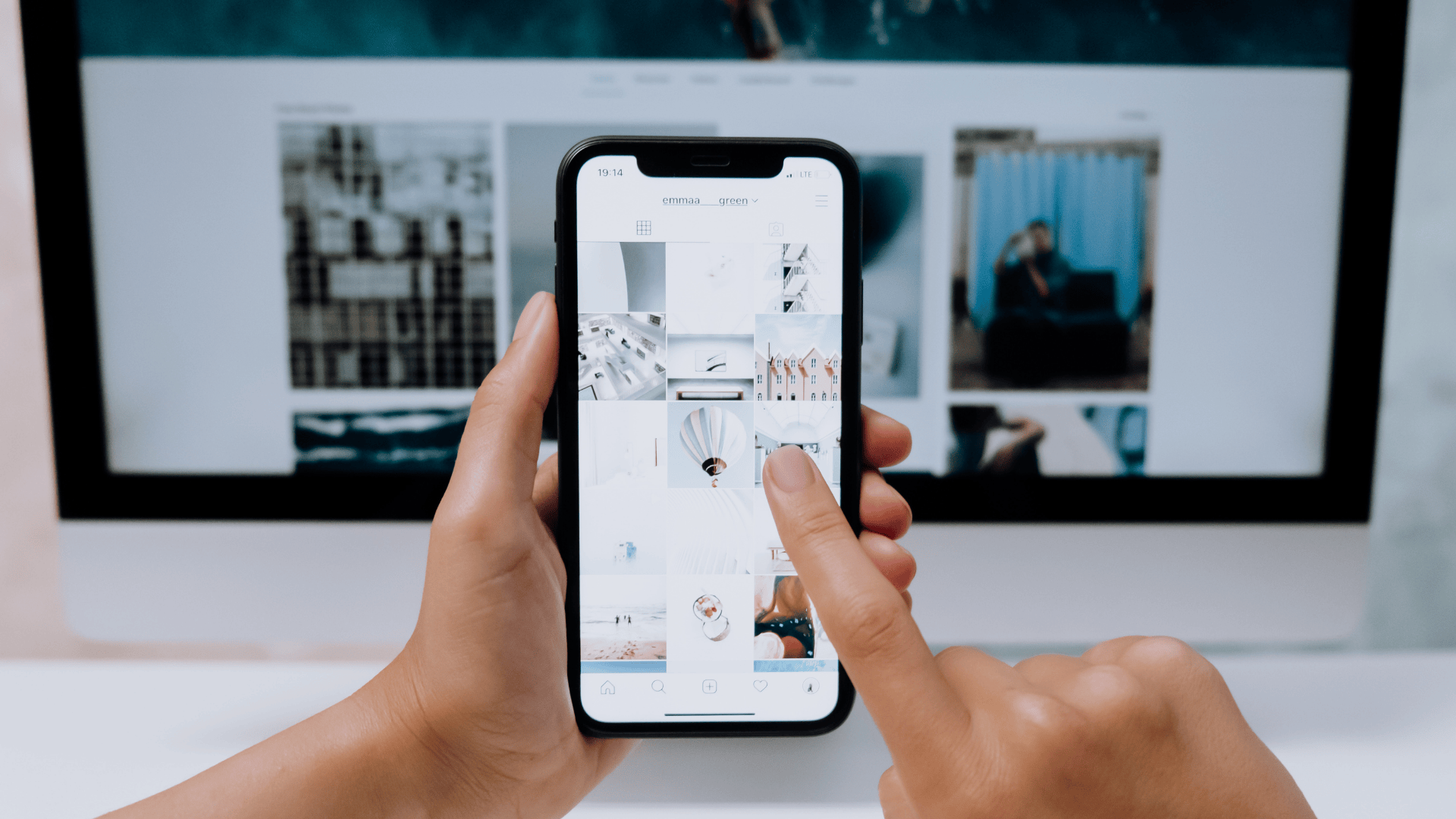
How Small Businesses Use Instagram to Drive Sales
They Treat the Profile Like a Storefront, Not a Poster Wall
A lot of small businesses kick off with an easy little shift. They create their online store/brand with a fast profile; instead of just a picture-perfect photo to showcase your products, you create a profile that quickly and easily answers customers’ buying questions. For example, if you were selling handmade candles, you could pin a short video of the candle burning for 10 hours, the scent level, and the packaging. Also, you could provide delivery locations, wedding-related floral arrangements and delivery for same-day requests in your Story Highlights. When someone comes to your profile, you’re already helping to sell your product long before they send you a DM. Instagram has built out business accounts to be able to do this type of thing. They are designed to help you get from browsing to contacting you and then from there to purchasing your product through professional features and action buttons.
Some brands also use outside support when they want extra visibility around a launch or a seasonal push. A small shop preparing a Mother’s Day collection, for example, may pair its regular content with a service like GoreAd, which offers Instagram growth packages, fast delivery, no password required, order tracking, and customer support. That kind of option usually makes the most sense as a short term push around a campaign, especially for businesses that want added traction while they keep posting, replying, and selling through their own account.
Their Content Answers Buying Questions Before Customers Ask Them
The strongest small business accounts usually post with one goal per piece of content. One Reel may show how a product is used. The next post may deal with sizing, shipping times, or what comes in the package. A coffee shop might film the morning rush and explain what sells out first by 9 a.m. A small jewelry brand may post side by side clips comparing chain lengths on different necklines. These posts do more than fill a feed. They reduce hesitation, and hesitation is often where sales get lost. Instagram’s Reels tools and business features support this steady, practical style of content.
A realistic example would be a family run pet store that wants to sell more slow feeder bowls. Instead of posting a plain product image with a discount code, it records a short clip of a dog using the bowl, adds a caption about why fast eating can be a problem, and follows up the next day with customer questions in Stories. By the end of the week, the business has shown the product in use, answered common concerns, and reminded followers that local pickup is available. That is usually more effective than asking people to buy in the first sentence.
Captions matter here more than many owners expect. Small teams often struggle to keep product descriptions fresh, especially when they post several times a week. Tools that speed up caption writing can help them keep momentum, and GoreAd also offers a free Instagram caption generator alongside other Instagram tools. For a busy owner handling stock, packaging, and customer service on the same day, saving twenty minutes on copy can actually mean the post goes live instead of sitting in drafts.
They Use Proof From Real Customers to Reduce Risk
The more active and legitimate an account feels to potential customers, the quicker they are likely to buy a product or service. Therefore, many small businesses use their customers’ photographs, tagged Stories, brief reviews, and repeat buyers as the basis for their sales content. An example of this is a seller of ceramic mugs will frequently post photographs from their customers of how the mugs are being used in actual kitchens, whereas a fitness coach will sometimes post before-and-after screenshots of his clients who have completed the first month of their fitness program.
Such types of proof provide evidence to new visitors that the business is not just making claims but instead providing real-world examples of the quality of the products and services they offer. Regularly posting examples like this will produce much better results than posting thousands of testimonials all at once on an individual testimonial site.
They Watch What Moves, Then They Adjust Fast
Big brands can spend months testing campaigns. Small businesses usually do not have that luxury. What they do have is speed. They can spot that try on videos outperform studio photos, or that Sunday evening Stories bring more replies than Tuesday morning posts, and then change direction the same week. Instagram’s professional tools are made for active business use, and many owners also track follower changes closely because audience movement can signal whether a promotion, content style, or collaboration is landing well. GoreAd’s free follower count checker is one example of a tool built around that kind of quick visibility.
A small fashion boutique might notice that posts with outfit bundles lead to more saves, while close ups of fabric textures lead to more DMs asking about fit. That tells the owner two different things. Bundles help people plan a purchase, while detail shots answer the doubts that block checkout. Once that pattern is clear, the content calendar gets sharper without becoming rigid.
This is also where paid boosts or added exposure can fit into the picture, provided the business treats them as one piece of a larger plan. Instagram lets businesses boost existing posts with a goal, audience, budget, and duration. For a small business, that can work well when the post already has a clear offer and a strong response rate from followers. Added visibility tends to work better when the page already looks active, replies are timely, and the path from profile visit to order is easy to follow.
The businesses that turn Instagram into sales rarely look the most polished from every angle. They tend to look useful. Their profiles explain things clearly, their posts answer practical questions, and their content gives people enough confidence to move from scrolling to buying. That is why Instagram keeps working for small brands across retail, food, beauty, and local services. It gives them a low friction way to show value in public, talk to customers directly, and improve based on what people actually respond to.