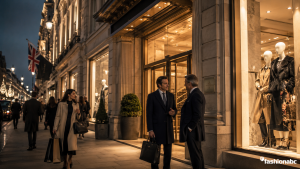
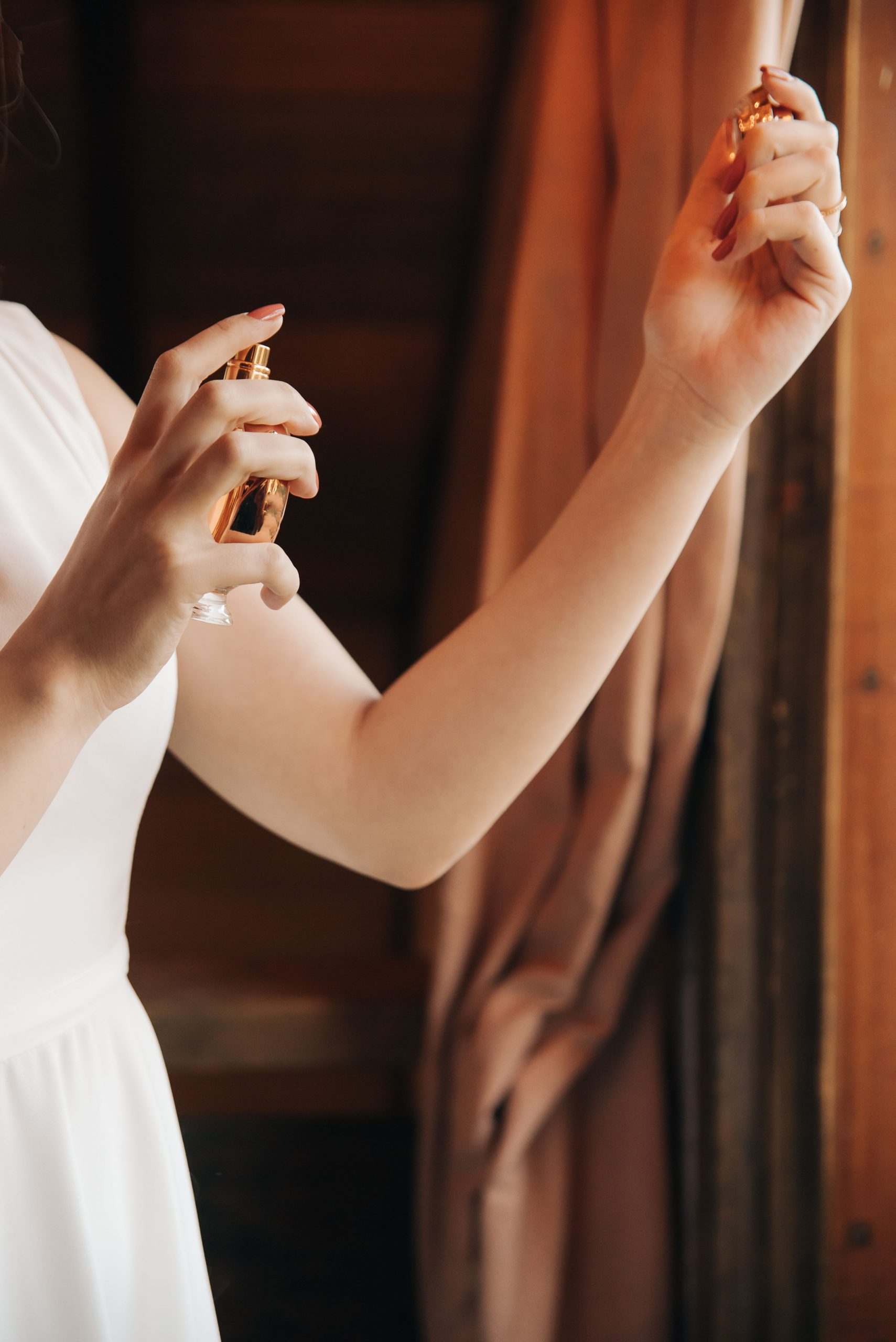
Olfactory marketing influences how consumers perceive brands the moment they walk into a fashion store. Scent can evoke strong emotional responses, create memorable experiences, and differentiate one store from another. As fashion retailers strive for greater customer engagement, understanding the impact of scent on in-store experiences is gaining importance within the industry.
Retail spaces are increasingly designed to engage multiple senses, offering more than just visual displays or tactile products. While elements like lighting and music are easily noticeable, scent often operates subtly, shaping impressions and affecting the emotional connections customers form with a brand. For example, a boutique might choose fresh citrus fragrances to energize shoppers, while a luxury retailer could opt for velvet-like amber or leather notes for a sense of opulence.
Defining olfactory marketing in modern fashion retail
Olfactory marketing in fashion retail involves designing scent experiences that align closely with a brand’s identity. This can include ambient scenting, diffusing signature fragrances throughout the store, or applying targeted fragrance cues to specific areas, fabrics, or packaging. For example, a denim zone in a department store may feature subtle woody or cotton-based scents, whereas resort wear sections might use airy, oceanic fragrances to echo the merchandise.
Scent’s influence goes beyond simple ambiance. It works through the brain’s emotional centers, creating links between a brand and a customer’s memory. Studies show that distinctive scents help brands become more memorable compared to visuals or sounds alone. Fashion retailers use this knowledge to help shoppers recall positive experiences, making scent a long-term asset in brand-building strategies.
Influencing behavior and crafting unique atmospheres
Fashion retailers apply olfactory marketing to shape shopping behaviors and atmospheres. For example, a relaxed, subtle vanilla and sandalwood blend might be diffused in casualwear stores to encourage lingering, while a sharp, clean scent could reinforce the upscale appeal of a modern boutique. By pairing scents with coordinated lighting and background music, retailers reinforce specific moods that align with their target demographic, such as a calming ambiance for luxury shoppers or a vibrant, energetic feel for youth-oriented brands.
Maintaining a consistent scent profile is important for reinforcing brand recognition, especially when stores operate across several regions. For instance, flagship stores and smaller outlets may both use the same core scent, tested regularly for intensity to ensure a uniform visitor experience. When adjustments are necessary, such as in climates where strong scents could feel overwhelming, retailers often calibrate diffusion systems and seek customer feedback as part of their ongoing operational strategy. As part of their strategy, some fashion businesses explore consistent yet accessible fragrance options, including an affordable Virgin Island Water alternative, to unify scent cues across store locations and touchpoints throughout the customer journey.
Translating brand stories and aesthetics into scent
Retailers use scent to express brand narratives and visual aesthetics through the air. For example, a heritage fashion house may diffuse a blend of leather, tobacco, and spice to evoke tradition, while a minimalist label could opt for white tea and linen notes that reflect simplicity and freshness. Seasonal collections also influence scent choices; spring might bring in floral tones, and winter could prompt the introduction of richer, warmer aromas.
These adjustments are intentionally subtle so that the overall experience feels curated without overwhelming customers. Shifting from fig or green tea in summer to cedarwood or nutmeg in autumn allows the retailer to enhance the shopping journey in line with changing merchandise, helping customers feel that every detail has been considered to ensure coherence and comfort.
Operational, ethical, and regulatory realities in scent strategy
Implementing a scent strategy requires careful operational planning. For example, retailers regularly test fragrance intensity to ensure it does not overpower staff or visitors, and may install variable diffusers that automatically adjust dispersal during peak hours. Feedback from customers and employees guides these decisions, balancing scent presence with comfort. Operational costs are also weighed, as equipment maintenance and fragrance replenishment need to be accounted for in store budgets.
Ethical and sustainability concerns increasingly drive olfactory marketing practices. Many retailers seek fragrances made from responsibly sourced ingredients and publish disclosure on allergens for transparency. To respond to sensitivity concerns, some stores designate fragrance-free zones or provide advance notice when strong scents are in use. Regulatory guidelines can influence the use of particular ingredients and dictate scent intensity thresholds. Excessive application may trigger complaints, so moderation and customer well-being are prioritized. As technology advances, retailers are exploring options to further personalize scent experiences, while ensuring they adhere to ethical standards and respect privacy through transparent policies.
Olfactory marketing remains a nuanced tool in fashion retail, offering retailers a means to shape consumer emotions, convey brand identity, and craft immersive environments when applied thoughtfully and responsibly.