Fast fashion fills closets around the globe with affordable choices every single season. Most buyers never realize how much oil-based synthetic material goes into everyday shirts, jackets, and athletic wear. Modern wardrobes rely heavily on hidden polymers that outlast their practical usefulness. Consumer habits drive massive garment manufacturing, creating hidden synthetic waste streams across towns and cities.

The Hidden Synthetic Reality of Modern Closets
Shopping for new clothes often focuses on colors, fits, and sales prices. Labels on tags tell a deeper story about industrial chemical processing. Synthetic threads dominate standard clothing racks across retail stores.
A European Environment Agency briefing indicates that 60 to 70 % of textiles consist of plastic, mostly polyester. Standard washing cycles strip tiny fibers away from these garments every week. These invisible strands end up flowing straight into wastewater systems across municipal facilities.
Synthetic clothes provide durability, but they create long-term waste issues. Synthetic materials do not decompose naturally like natural cotton or wool fibers. Garments stay intact in trash sites for decades without breaking down.
Understanding Material Categories and Waste Sorting
Consumer choices shape the demand for everyday goods and synthetic clothing. Learning to identify recyclable plastic types helps people separate residential items before discarding synthetic garments. Proper sorting keeps manageable items out of municipal landfills.
Municipal facilities process rigid items better than flexible textiles. Curbside bins accept standard drink bottles, but woven threads tangle machinery. Public education programs focus on sorting solid containers rather than worn outerwear.
Solid packaging materials come with uniform tracking symbols that guide sorting operations. Clothing tags only state fiber percentages without providing recycling instructions for consumers. Discarded garments end up mixed with regular household trash.
The Rising Tide of Synthetic Fiber Production
Global garment manufacturers turn to synthetic polymers to cut production costs and boost output speed. Polymer threads offer flexibility and stretch that cotton cannot match alone. Fast fashion cycles rely heavily on cheap synthetic inputs.
A research publication from the Changing Markets Foundation reveals that synthetic fibres derived from fossil fuels account for over two-thirds (69%) of textile production, a figure projected to rise to 73% by 2030. Cheap raw materials make virgin plastics more attractive than natural alternatives. Factories continue turning crude oil derivatives into wearable garments at record speeds.
Petroleum-based materials dominate production lines as oil prices remain lower than natural farming costs. Fast production cycles require huge amounts of raw crude oil. Apparel companies show little sign of slowing down synthetic fabric orders.
Where Clothing Waste Actually Ends Up
Discarded apparel creates complex waste streams that standard municipal facilities cannot handle. Worn garments accumulate in trash dumps or travel across borders as low-grade donations. Standard municipal systems struggle to process mixed material blends.
A United Nations Environment Programme report states that 11% of plastic waste comes from clothing and textiles, with only 8% of textile fibers in 2023 made from recycled sources. Old clothes pile up much faster than recycling centers can process them. Millions of tons of synthetic fabric end up buried or burned every single year.
Standard disposal methods include these common pathways:
- Landfills receiving unsorted household garments every day.
- Incineration facilities burning mixed synthetic fabrics for basic energy recovery.
- Overseas shipping containers carrying low-quality second-hand clothes to developing markets.
- Storage warehouses collecting unsold retail inventory at the end of retail seasons.
Fabric Loss During Garment Manufacturing
Massive textile waste occurs long before finished shirts arrive in retail stores. Industrial cutting machines carve pattern shapes out of giant fabric rolls. Leftover scraps fall to factory floors as immediate industrial waste.
An Organization for Economic Cooperation and Development blog post notes that before a piece of clothing ever hits store shelves, up to 30% of fabric is lost during the manufacturing process. Scrap collection systems rarely exist inside high-volume sewing factories. High-speed production lines prioritize rapid assembly over scrap minimization.
The Limits of Bottle-to-Garment Recycling
Apparel brands frequently advertise eco-friendly collections made from recycled polymers. Most marketing campaigns give consumers the impression that old shirts turn into new garments. Industry practices show a completely different reality behind global supply chains.
A report by Changing Markets Foundation highlights that 98% of recycled polyester comes from plastic bottles, not textile waste. Taking bottles out of closed-loop beverage systems breaks a working recycling chain. Synthetic clothes made from bottles usually end up in landfills after a few wears anyway.
Turning beverage containers into clothes prevents those bottles from being recycled back into bottles. Clothes cannot easily return to beverage-grade standards after consumer wear. This practice diverts material from clean circular systems into one-way disposal routes.
Fiber-to-Fiber Processing Challenges
Turning old clothes into new thread presents technical hurdles for modern facilities. Blended fabrics combine cotton, spandex, and polyester into single threads that machinery cannot easily split. Chemical separation costs too much money for large-scale operations.
A study published through Eastern Illinois University points out that globally, only about 12% of material used for apparel is recycled in any form, and less than 1% is recycled into new textile fibers. Mechanical shredding weakens synthetic fibers, making them too short for high-quality yarn. Brand owners opt for cheaper virgin materials instead of complex recycling schemes.
Separating complex fabric blends requires expensive chemical solvents and massive energy inputs. Sorting machinery struggles to identify mixed synthetic threads without clear barcodes. Most apparel waste remains stuck in linear disposal models without circular options.
Sorting Demands in Industrial Systems
Recycling facilities rely on high purity levels to reprocess plastic items into raw pellets. Clear distinctions between polymer categories allow processing equipment to melt materials without contamination. Solid plastics have established infrastructure that fabric recyclers lack.
A news release from the City of Piedmont explains that the types of plastic in highest demand are Polyethylene Terephthalate (PET) – used for water bottles, soda bottles, and food containers – and High-Density Polyethylene (HDPE). Sorting systems process rigid containers far more easily than soft, blended garments. Soft textiles clog machinery, driving up sorting costs for municipalities.
Key factors influencing modern industrial plastic sorting include:
- Standardized resin codes printed directly on rigid food packaging.
- High market demand for clear, uncolored polymer flakes.
- Automated optical sorting machines designed specifically for bottles rather than garments.
- Established collection routes that separate solid containers from general trash.
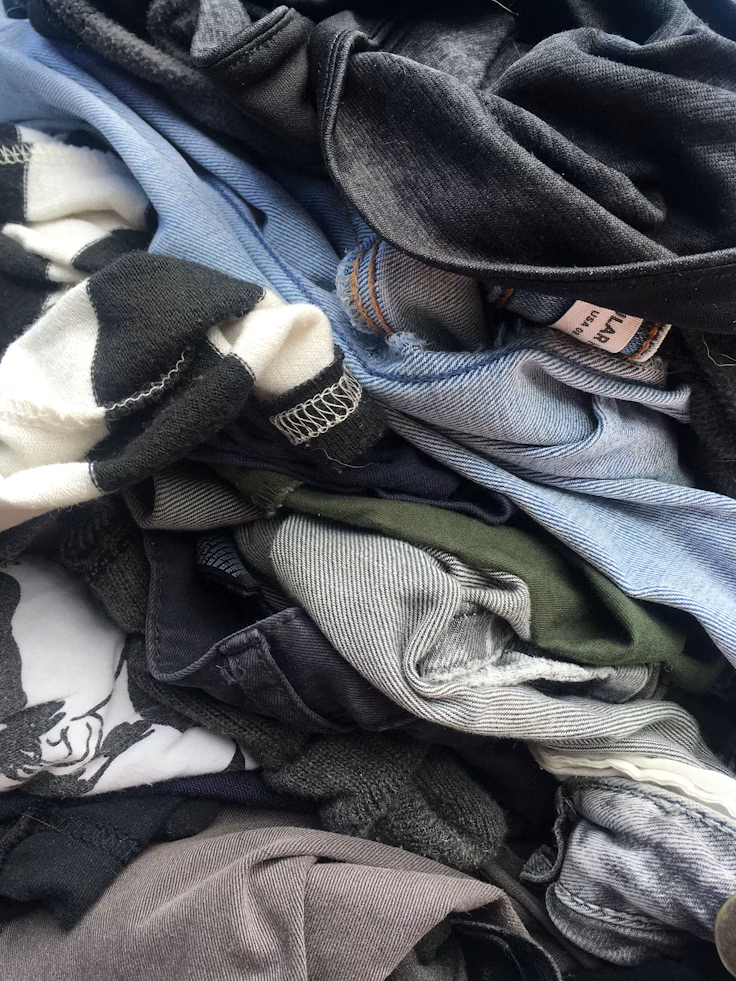
Understanding fashion’s synthetic footprint helps consumers make informed choices at retail stores. Buying fewer items, choosing natural fibers, and repairing worn garments reduce synthetic waste generation. Small personal choices gradually steer the textile industry toward cleaner production habits. Consumer demand remains a powerful tool for encouraging sustainable apparel design.