
Fashion Retail & E-commerce, Designers & Ateliers, Fashion Trends & Future, resources
Are Video Diaries Becoming the New Fashion Portfolio

For decades, fashion portfolios followed a familiar format. Most creators relied on tidy lookbooks, fixed mood boards, and polished still images. Their output sat frozen, shaped with care, often tucked into personal sites or digital printouts. However, this way of thinking is slowly disappearing. Video journals – brief, casual, sometimes filmed on a handheld device – are now common for showing how designers work, express themselves visually, and shape ideas. What’s changing goes beyond shiny new tools. How talent gets found now feels different, along with how people share their experiences and connect with viewers. Instead of stacking resumes, many young designers find it easier to show their journey through shorter content. In other words, we’re seeing video diaries becoming the new fashion portfolio more and more often. These personal logs quietly surpassed old-style printed resumes as a go-to way to be seen.
What Exactly Is a Video Diary in Fashion?
Picture this: short clips stacked together, showing what happens each day at work. Creativity takes shape through these moments – decisions get made, things unfold behind the scenes. Fashion designers might draw ideas by hand, hunt for materials that fit their look. Outfits come together under their vision, and shapes take form in practice rooms. Fittings happen, cameras ready near models who model garments made real. Work builds toward something bigger – a photo shoot waits just around the corner.
Often, people post video diaries on sites such as TikTok, Instagram, or YouTube. Filmed in an upright position, they tend to feel casual, rough around the edges. Instead of polished finishes, we see a lot of quick and easy edits prevail in these videos. Clarity matters more than flawless sound or image. Showing up each time counts just as much as the message itself.
For example, take someone who’s still learning about fashion. Each week, they could share a few clips revealing how ideas grow into clothes. One moment it’s sketching, the next it’s sewing. Instead of static images, these clips build a real-time record of work. Over time, that becomes their showcase without needing physical folders.
Why Traditional Portfolios Are No Longer Enough on Their Own
Nowadays, old-style portfolios don’t carry weight like they once did by themselves. Still, they do hold some value, particularly when you’re applying for work or getting into fashion school. Yet, their drawbacks exist. A file or online page filled with digitized pictures using Capture can be a great way to showcase your results. However, while it reveals outcomes, it often misses the process behind them. It misses how a person handles stress, solves problems, or adjusts on the fly.
On the other hand, footage kept between the maker and viewer fills these holes with understanding. You could watch what happens, not just the end product. Observers – whether hiring teams or co-creators – notice how decisions unfold step by step, how a designer wrestles with missteps until all pieces fall together. These moments of pushback land differently when seen unfold in real time. What makes this setting useful in the creative field is how it pushes teams to work together quickly when things shift. Instead of relying only on fixed showcases of work, a regularly updated video log often reveals insights a single snapshot cannot.
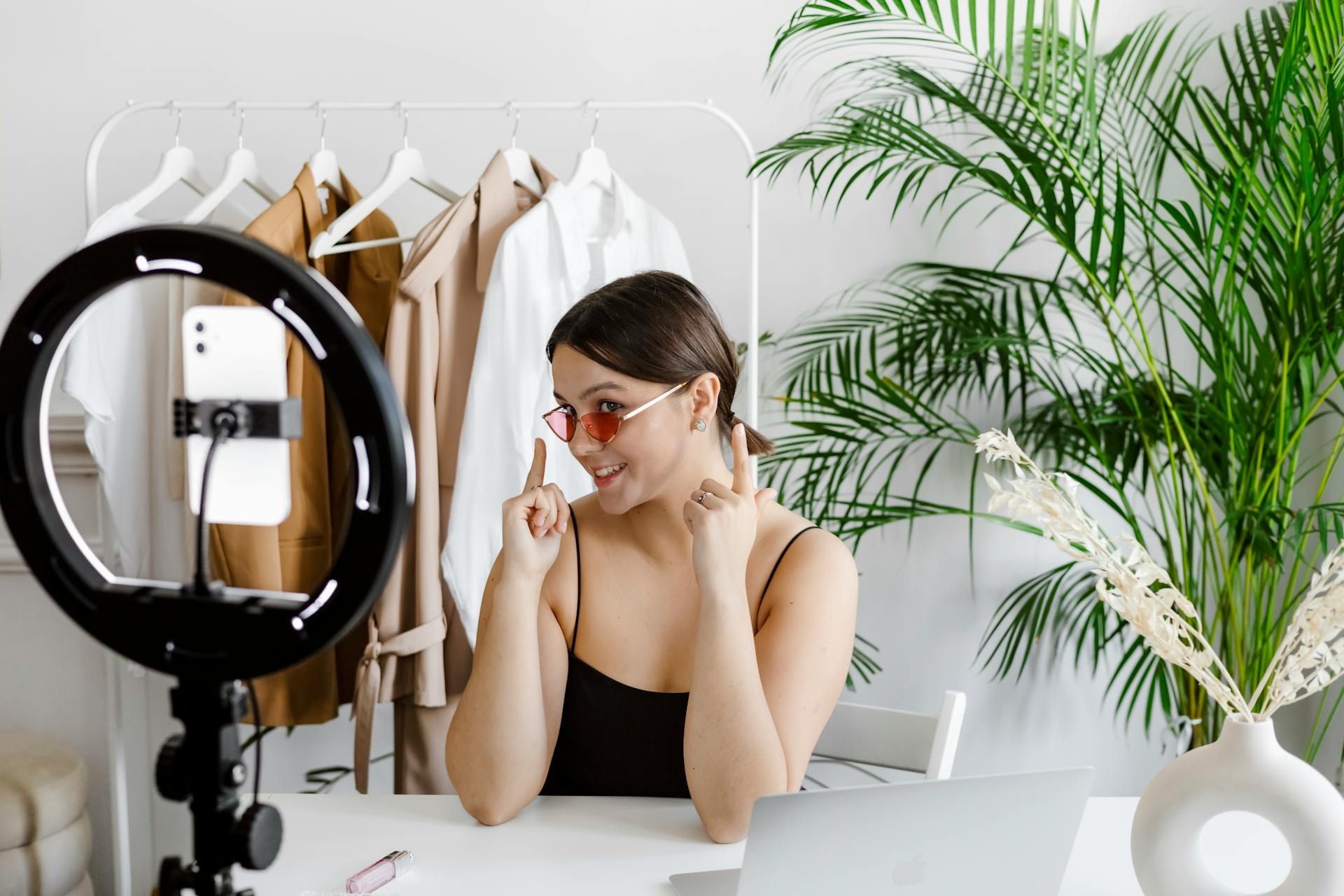
Filming and posting consistent materials for the portfolio can feel overwhelming for those that got into it without wishing to turn the content itself into a full-time job.
Platforms Are Reshaping Discovery in Fashion
Before now, learning about fashion started with job training, word of mouth, or shows for professionals. Even though those paths remain open today, sites such as TikTok can play a huge role in how fresh creators gain attention.
Some new creators get noticed because they regularly show how they work. Take someone building a name alone – they might upload clips showing tough pattern jobs, failed fabric trials, or wrong pricing choices. Viewers come from everywhere – not just friends but also customers, magazine folks, and big-name studios – all spotting those moments online.
Magazines like Vogue often spotlight designers and creators who gained attention through social media. On the other hand, many brands are using these influencers and their content to cut down their costs of producing videos. Far from being seen as casual or unpolished, these digital stories are treated more seriously now. Their acceptance hints at a growing recognition of their value in showcasing creative output.
Real Examples of Video Diaries Replacing Portfolios
One clear example is freelance stylists. Rather than sending heavy PDFs, plenty of people point folks to their personal social pages. From snippets of actual fittings to piece-by-piece gown reviews, the clips reveal real moments behind choices. What made this outfit stand out? They show you exactly that. This helps potential clients see and understand their taste on a deeper level.
Another example is fashion students looking for internship jobs, or hopeful students looking for fashion programs. A few might add a link to a video diary next to their fashion presentation. Watching videos lets recruiters see actual moments – how the student works, talks about designs, and shows dedication. Live insight like this changes how decisions are made.
Sometimes small brands turn to video diaries when chasing store deals. Instead of just talking, they show how products are made – shot by shot of crafting, wrapping, and testing. Watching that kind of detail gives retailers a sense of real behind-the-scenes work. It quietly earns their respect, especially in today’s cautious industry.
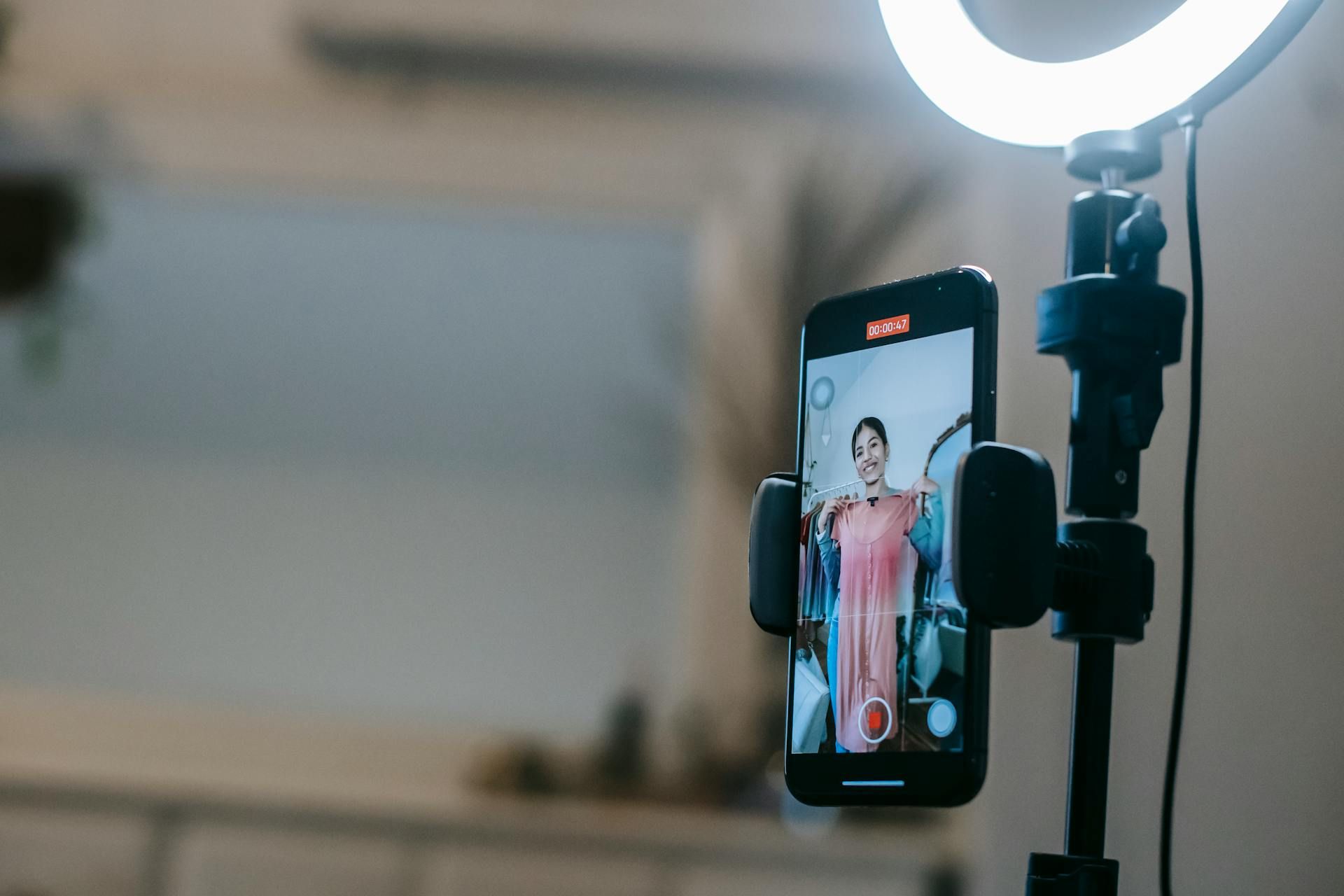
Videos are a much better medium when it comes to showing the details of a fashion piece: the stitching, the flow, the fit.
What Video Diaries Show That Photos Cannot
Still images capture complete outfits. Movement, touch, and actual use come through video logs. When a designer records their work, they reveal how fabric responds, fits various shapes, or shifts with light changes. Moreover, the character comes through, too, which can play a huge role when it comes to style. With video diaries becoming the new fashion portfolio, creators can share thoughts on their inspirations, priorities, and their take on fashion’s direction, which could matter a lot when picking partners. For instance, let’s look at a person interested in sustainable clothes and materials. A person there might write down where fabrics come from, check factories firsthand, then note how fabrics feel or wear, all in the videos. Pictures cannot show that kind of depth so easily.
Challenges and Limitations of Video Diaries
Even though they help, video diaries come with hurdles. Staying consistent needs steady effort and regular attention. Moreover, some creatives simply do not want to record their process or appear on the internet.
Focusing only on making videos might hide bigger issues. Good storytelling does not save poor layout or typography. Some stand out simply because the structure holds up, even if cuts look sharp. Skill behind the scenes matters more than how it gets assembled. So, what often goes unseen is how private things truly are. Certain work stays hidden because not every internal piece is suitable for an outside view.
What This Means for Aspiring Fashion Professionals
Starting in fashion now? Video diaries are becoming the new fashion portfolio to help share what you do, skipping long waits for big breaks. Moreover, the equipment isn’t complicated or heavy. Just carry a phone and know your message before pressing the record button. This is where fashion meets function. That simplicity is what keeps it real. Context sits right there in frame. This isn’t about moments going viral or following music spikes. It’s a visibility into how fashion jobs really unfold.
Share

Pallavi Singal
Editor
Pallavi Singal is the Vice President of Content at ztudium, where she leads innovative content strategies and oversees the development of high-impact editorial initiatives. With a strong background in digital media and a passion for storytelling, Pallavi plays a pivotal role in scaling the content operations for ztudium's platforms, including Businessabc, Citiesabc, and IntelligentHQ, Wisdomia.ai, MStores, and many others. Her expertise spans content creation, SEO, and digital marketing, driving engagement and growth across multiple channels. Pallavi's work is characterised by a keen insight into emerging trends in business, technologies like AI, blockchain, metaverse and others, and society, making her a trusted voice in the industry.


