Things to Know When Planning a Fall Wedding in Arizona
Arizona has a way of making autumn feel like a reward. The brutal summer heat finally releases its grip, the desert light turns golden, and the landscape shifts into something genuinely cinematic. For couples drawn to wide skies, red rock formations, and warm earthy tones, a fall ceremony here checks nearly every box.
Planning one, though, requires a closer look at location, timing, and logistics than many couples initially expect. From picking the right date to selecting attire and accessories, the details matter more than they might in a more predictable climate.
Choose the Right Time and Location
Arizona is a large and geographically diverse state, and fall conditions vary considerably depending on where the ceremony takes place. In Phoenix, September still feels like summer with highs around 100 degrees, but by November temperatures settle into a pleasant 75. Head north and the experience shifts entirely. In Sedona, October brings highs in the 70s and low 80s with cooler, crisp evenings, making it one of the most sought-after months for outdoor ceremonies due to its ideal conditions and natural fall color.
October and November are especially favored across the state because they offer warm days, cooler evenings, and comfortable conditions for outdoor gatherings. Couples choosing between these two months should factor in sunset timing as well. By November, the sun drops earlier, which creates a shorter window for outdoor portraits but produces softer, warmer light.
Daytime and evening temperatures can differ by 20 to 30 degrees in elevated areas like Sedona or Flagstaff, so the hour the ceremony begins directly affects what guests wear and how comfortable they feel throughout the event.
Find a Venue That Fits the Season
Arizona offers a remarkable range of venue types, from open desert ranches and mountain lodges to resort gardens and boutique hotel courtyards. Each suits a different kind of celebration, and the setting shapes nearly every other decision that follows.
Outdoor Spaces
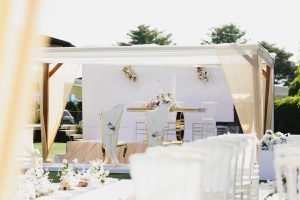
Desert resorts and open-air venues are genuinely spectacular in fall, but shade still matters during afternoon ceremonies. Even in October, direct sun in the Phoenix valley can feel intense. Couples planning a midday or early afternoon start should confirm the venue has shaded areas where guests can wait comfortably between events.
Indoor and Hybrid Options
An indoor backup space is worth securing regardless of the forecast. Mountain venues near Flagstaff can see overnight temperatures dip sharply, and even Sedona evenings in late November get cold fast. A ballroom or covered terrace gives guests somewhere warm to move once the sun sets.
Timing Around Sunset
Sunset arrives earlier in fall, which creates dreamy golden-hour ceremonies and gorgeous conditions for portraits. Scheduling the ceremony to begin roughly 90 minutes before sunset takes full advantage of that light while leaving time for portraits before dark. Photographers and videographers consistently recommend this window, and venues that face west or have unobstructed horizon views make the most of it.
Build a Fall-Inspired Wedding Style
Arizona’s fall palette is already built into the landscape. Terracotta, burnt sienna, sage, cream, and deep burgundy all echo the colors of the desert environment without requiring heavy seasonal decoration. Couples who lean into that natural backdrop tend to create a more cohesive aesthetic than those who import traditional autumn decor that feels out of place against red rock formations.
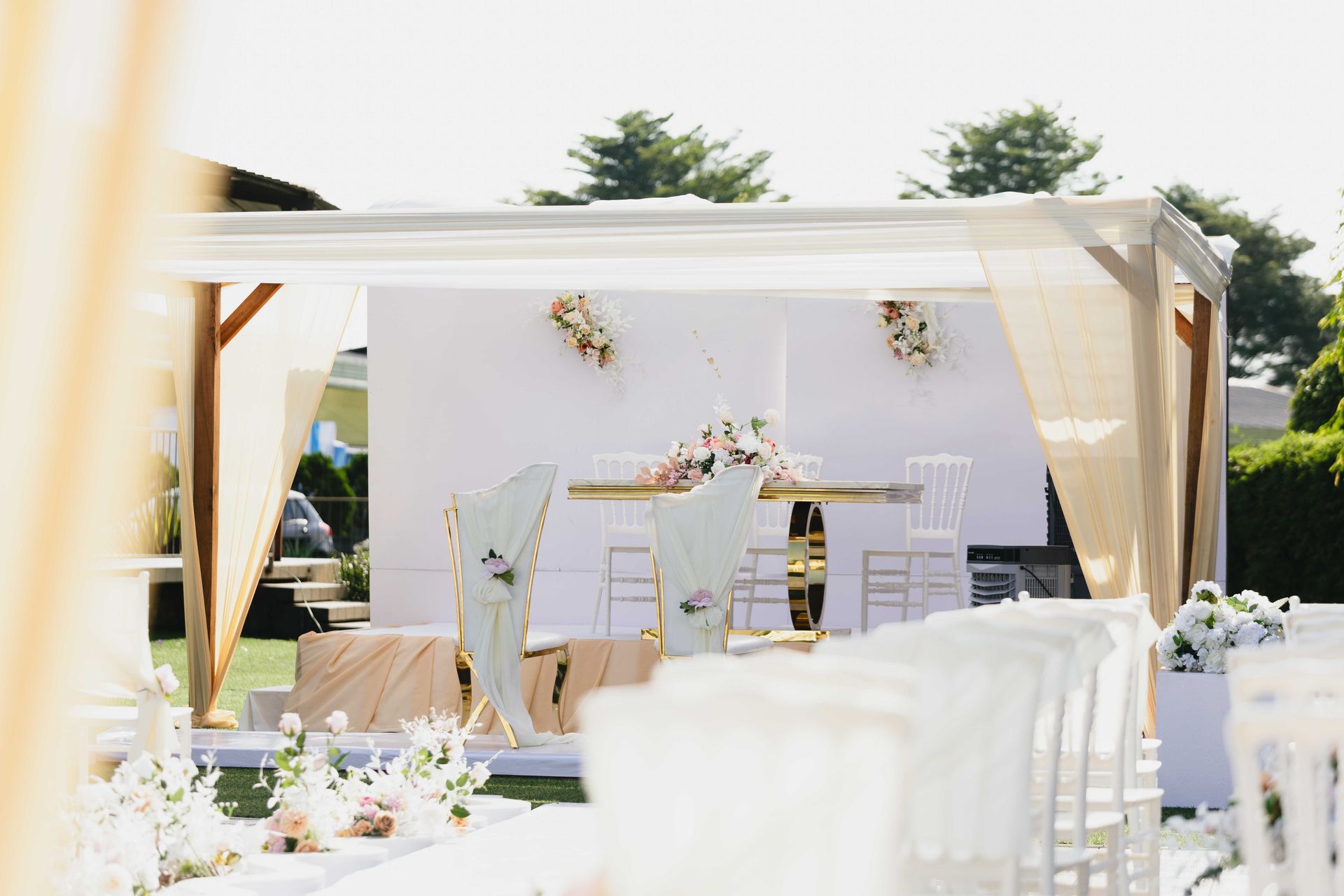
Dried pampas grass, native succulents, muted wildflowers, and textured linen or cotton table runners all work beautifully. The goal is to complement the surroundings rather than compete with them. A dried floral arch or a ceremony backdrop of natural wood and desert greenery can carry the entire look without making the event feel overly themed. No elaborate layering required.
Think About the Wedding Dress and Attire
Fabric and layering matter more in Arizona’s fall than they might elsewhere. A ceremony starting at 4 PM in Scottsdale may feel warm in a heavy gown, while the same dress feels perfectly comfortable two hours later when the temperature drops. Brides planning outdoor ceremonies in lower-elevation areas like Phoenix or Mesa tend to do well with lighter fabrics. Those marrying in Sedona or near Flagstaff benefit from dresses with sleeves, structured bodices, or detachable layers they can add for the evening reception.
Bridesmaids in earthy tones, dusty rose, terracotta, or warm sage naturally complement both the desert setting and the season’s color story. For guests, a gentle note in the invitation about outdoor terrain and expected evening temperatures helps everyone dress appropriately without guesswork.
Choose Wedding Jewelry That Complements the Look
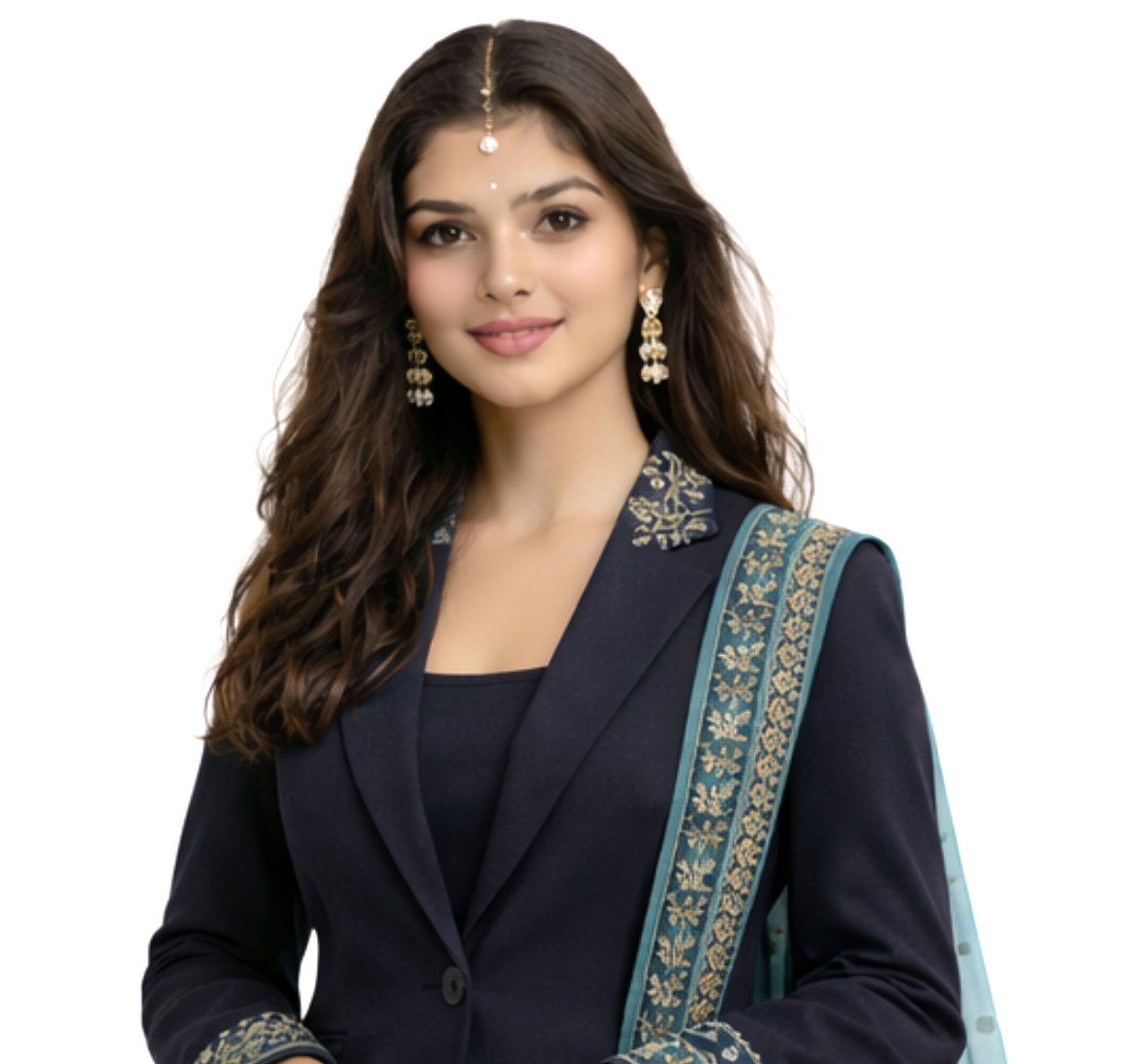
Jewelry may be one of the final details chosen for a wedding, but it can have a big impact on the finished bridal look. When you select wedding jewelry, consider the neckline of the dress, the fabric, and the colors used throughout the celebration. The goal is to add to the outfit without taking attention away from the gown itself.
Warm metals can work especially well with earthy seasonal colors. Gold and rose gold pair naturally with shades such as terracotta, cream, rust, and burgundy, while pearls and subtle gemstones can add a softer touch. The style of the dress should also guide the choice. A detailed gown may call for simple earrings or a delicate bracelet, while a more understated dress can leave room for a bolder necklace or statement earrings.
Personal pieces can make the look even more meaningful. A pair of family earrings, a bracelet passed down through generations, or another treasured piece can add a sense of history to the day. If you choose a noticeable heirloom, keeping the rest of the accessories simple can help the piece stand out while keeping the overall look balanced.
Quality and balance are more important than wearing several pieces at once. A few well-chosen pieces often create a more polished result than a matching set with too many competing details.
Plan the Flowers and Décor Around Arizona
Seasonal florals like dahlias, garden roses, and dried grasses translate beautifully into fall arrangements without requiring a heavy hand. Combining fresh blooms with preserved or dried elements, like bunny tail grass, dried citrus slices, or seed pods, adds texture and longevity to centerpieces and ceremony arrangements alike.
Lighting transforms an outdoor reception once the sun drops. String lights strung between posts or overhead create warmth and define the space. Lanterns, pillar candles, and low candlelight on tables add intimacy. In Arizona’s clear fall evenings, the sky above does a lot of the work. The right lighting simply frames it.
Make the Most of Arizona for Wedding Photos
The landscape does a significant amount of work for any photographer willing to use it. Red rock formations in Sedona, saguaro-dotted hillsides near Phoenix, and aspen groves near Flagstaff all offer completely different visual experiences within the same state. Couples who discuss location preferences with their photographer months in advance, rather than the week of, get more considered images.
Portrait sessions scheduled around golden hour consistently produce the strongest results. The desert light in fall is softer and more directional than summer sun, which means skin tones photograph warmly and naturally. And if the venue itself offers limited visual variety, a short drive to a nearby scenic spot for a 30-minute portrait session is often worth the logistics.
The Takeaway
A fall ceremony succeeds when every decision, from the date and venue down to the fabric of the dress and the finish of the earrings, reflects the environment it lives in. The state offers a setting that genuinely rewards couples who pay attention to it.
Match the details to the landscape, plan for the temperature swings, and the result is a celebration that feels specific, considered, and entirely its own.