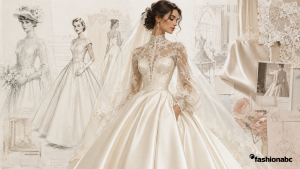
AI image editing is quickly becoming part of modern fashion marketing. Brands can now improve campaign visuals, adjust lighting, test backgrounds, create digital lookbooks, generate styling concepts, and prepare social media assets much faster than before.
For fashion teams, this can save time and reduce production costs. A small brand may be able to create polished visuals without a large studio budget. A larger brand may use AI to test creative directions before booking a full campaign shoot.
But fashion imagery has always shaped how people see beauty, bodies, identity, and style. When AI enters the process, the ethical questions become even more important. A small edit can improve a photo. A careless edit can mislead customers, distort body expectations, or violate someone’s consent.
Here are practical tips for using AI image editing responsibly in fashion campaigns.
1. Start With Consent
Consent should come before creativity.
If a campaign uses real models, influencers, creators, customers, or employees, they should understand how their images may be edited. AI editing can go beyond traditional retouching, so brands should be clear about what is allowed.
For example, minor lighting correction is very different from changing body shape, facial features, clothing, skin texture, or the context of the image.
Model releases should be updated to reflect AI-assisted editing. If a person agreed to a standard photoshoot, that does not automatically mean they agreed to unlimited synthetic edits of their body or likeness.
This is especially important for sensitive photo-editing categories. Tools such as undress ai show how advanced image transformation has become, which makes consent policies essential for any brand working with personal images.
2. Do Not Misrepresent the Product
Fashion campaigns should make products look attractive, but not false.
AI can improve backgrounds, lighting, shadows, and visual consistency. But it should not change the product in a way that misleads customers.
Be careful when editing:
- • fabric texture,
- • garment fit,
- • color accuracy,
- • length or silhouette,
- • stitching,
- • transparency,
- • wrinkles,
- • buttons, zippers, or seams.
If AI makes a dress look more structured than it really is, makes a fabric appear more expensive, or changes the true color of a product, customers may feel deceived. This can increase returns, complaints, and loss of trust.
Ethical fashion editing should enhance presentation without changing what the customer is actually buying.
3. Avoid Unrealistic Body Editing
Fashion has a long history of over-retouching bodies. AI can make this problem worse because edits are faster, smoother, and easier to apply at scale.
Brands should avoid using AI to create impossible proportions, overly perfect skin, exaggerated body shapes, or unrealistic beauty standards. Even when the goal is a polished campaign, the result should still feel human.
A good internal rule is simple: edit the image quality, not the person’s dignity.
Small corrections may be acceptable. But changing someone’s body to fit a narrow ideal sends a message, even if the brand does not intend it.
Fashion campaigns can be aspirational without being harmful.
4. Be Extra Careful With Clothing Removal or Body-Based Edits
Some AI tools are designed to alter clothing, generate body changes, or create intimate-looking transformations. These features carry much higher ethical risk than ordinary fashion retouching.
A tool like clothoff may be discussed in the wider AI image-editing space, but fashion brands should approach this category with strict boundaries. It should never be used on a model, customer, influencer, or private person without explicit permission and a legitimate creative purpose.
For professional campaigns, the safest policy is to avoid non-consensual body-based transformations entirely. They can damage a person’s privacy, harm a brand’s reputation, and create legal or platform-policy issues.
The question should not be “Can this be edited?” The better question is “Should this be edited?”
5. Keep Human Review in the Workflow
AI can speed up production, but it should not replace human judgment.
Before publishing AI-edited fashion images, teams should manually review every final asset. Look for visual errors, unrealistic garment details, body distortion, cultural insensitivity, and misleading product changes.
AI may generate attractive results that fail basic fashion accuracy. A sleeve may look elegant but impossible to manufacture. A shoe may appear stylish but physically inconsistent. A jacket may seem premium because the tool changed its texture.
Human review protects both creativity and credibility.
The best workflow is not “AI does everything.” It is “AI assists, humans approve.”
6. Be Transparent When It Matters
Not every AI-assisted edit needs a large disclaimer. Basic edits such as brightness correction, background cleanup, or layout adjustments are already part of normal visual production.
However, transparency becomes important when AI meaningfully changes what viewers believe they are seeing.
Brands should consider disclosure when:
- • a model is fully AI-generated,
- • a product image is synthetic,
- • a campaign setting does not exist,
- • a body or face has been heavily altered,
- • the image could be mistaken for a real shoot,
- • AI editing changes the context of the campaign.
Transparency does not weaken a campaign. In many cases, it builds trust. Customers are becoming more aware of synthetic content, and brands that communicate clearly will look more responsible.
7. Protect Private and Unpublished Images
Fashion campaigns often involve unreleased collections, private model photos, fittings, behind-the-scenes images, and early creative concepts. These assets can be commercially sensitive and personally sensitive.
Before uploading images to any AI tool, brands should understand how the platform handles data.
Ask:
- • Are uploads stored?
- • Can files be deleted?
- • Are images used for model training?
- • Who can access uploaded assets?
- • Is the tool suitable for commercial work?
- • Are there enterprise privacy controls?
- • Is there a clear data-processing agreement?
A campaign image is not just a creative file. It may include intellectual property, unreleased designs, model likenesses, and brand strategy.
Using AI safely means treating uploads as valuable data.
8. Create Internal AI Image Guidelines
Fashion teams should not make AI editing decisions randomly from campaign to campaign. A clear internal policy helps designers, marketers, photographers, freelancers, and agencies understand the rules.
An ethical AI image policy can define:
- • what edits are allowed,
- • what edits require approval,
- • what edits are banned,
- • how consent is documented,
- • when disclosure is required,
- • which tools are approved,
- • how images are stored,
- • who signs off before publication.
This is especially useful when multiple people work on campaigns. Without guidelines, one team member may make edits that another would consider unacceptable.
A policy keeps the brand consistent and protected.
9. Think About Brand Safety Before Publishing
AI-edited fashion content can travel quickly across social media. If an image feels misleading, overly sexualized, culturally insensitive, or non-consensual, it can create a backlash.
Sensitive AI categories such as undress ai show why brand safety matters. Even if a fashion brand does not create explicit content, it still needs to understand the broader risks around AI, bodies, and image manipulation.
Before publishing, teams should ask:
- • Could this image be misunderstood?
- • Does it respect the model?
- • Does it accurately represent the product?
- • Would we be comfortable explaining how this image was made?
- • Could this damage customer trust?
- • Does this fit our brand values?
If the answer is uncertain, revise before publishing.
Final Thoughts
AI image editing can be a powerful tool for fashion campaigns. It can help brands create better visuals, test ideas faster, reduce costs, and improve creative workflows. But fashion is not only about visuals. It is also about people, identity, trust, and representation.
Ethical AI editing means getting consent, protecting privacy, avoiding misleading product changes, respecting body image, reviewing outputs carefully, and being transparent when AI significantly changes what viewers see. The best fashion brands will not be the ones that use AI the most aggressively. They will be the ones that use it with taste, discipline, and respect.