
The things that ruin WooCommerce stores are never huge mistakes. No one makes a mistake that results in their business closing down instantly. The reality is far more subtle: It’s about having a series of small issues, each one costing you something – a few percentage points in conversion, an hour in lost time – over and over until eventually your site isn’t working as well as it could be and no one really knows why.
In this post, we list fourteen of these small problems. These mistakes are based on recurring problems seen in actual WooCommerce sites, not theoretical ones and include the explanation of how they hurt your store and the solution, which in many cases is a specific plugin that will solve the issue.
You’re probably not doing all fifteen of these. You’re doing three or four of them.
1. Running the store on gut feel
It’s not a problem that there is no analytics because almost any store is integrated with Google Analytics on some page. It is a problem not to use it since information can be found in the interface that is not used. Therefore, all decisions regarding prices, products, and marketing are based on intuition until it contradicts data.
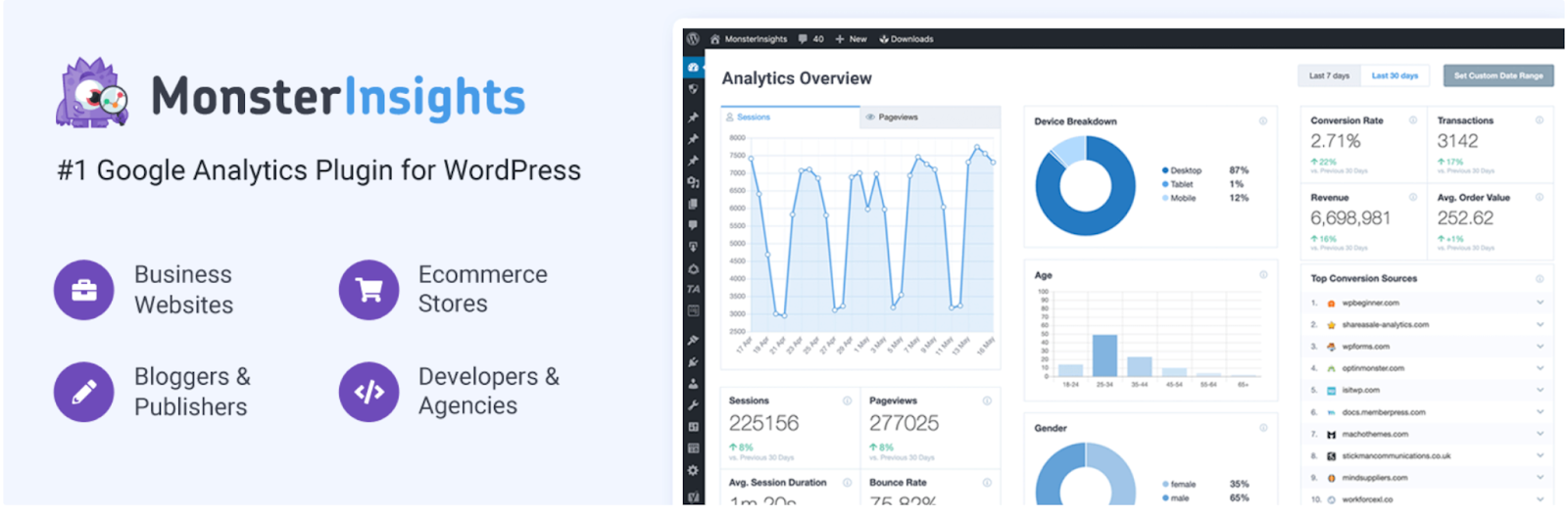
The fix: Put the data where you will actually see it. MonsterInsights integrates Google Analytics data – sales, conversion rates, best performing products, and drop-offs – to your WordPress dashboard, with improved tracking for eCommerce data of WooCommerce-specific events that standard configurations cannot cover.
2. Treating privacy compliance as a someday problem
Consent Management is put off by stores since it brings in no money – and each month that passes without Consent Management in place is a month of data collection without compliance which cannot be fixed in the past. GDPR, CCPA, and the likes are applicable depending on your audience’s location, not yours.
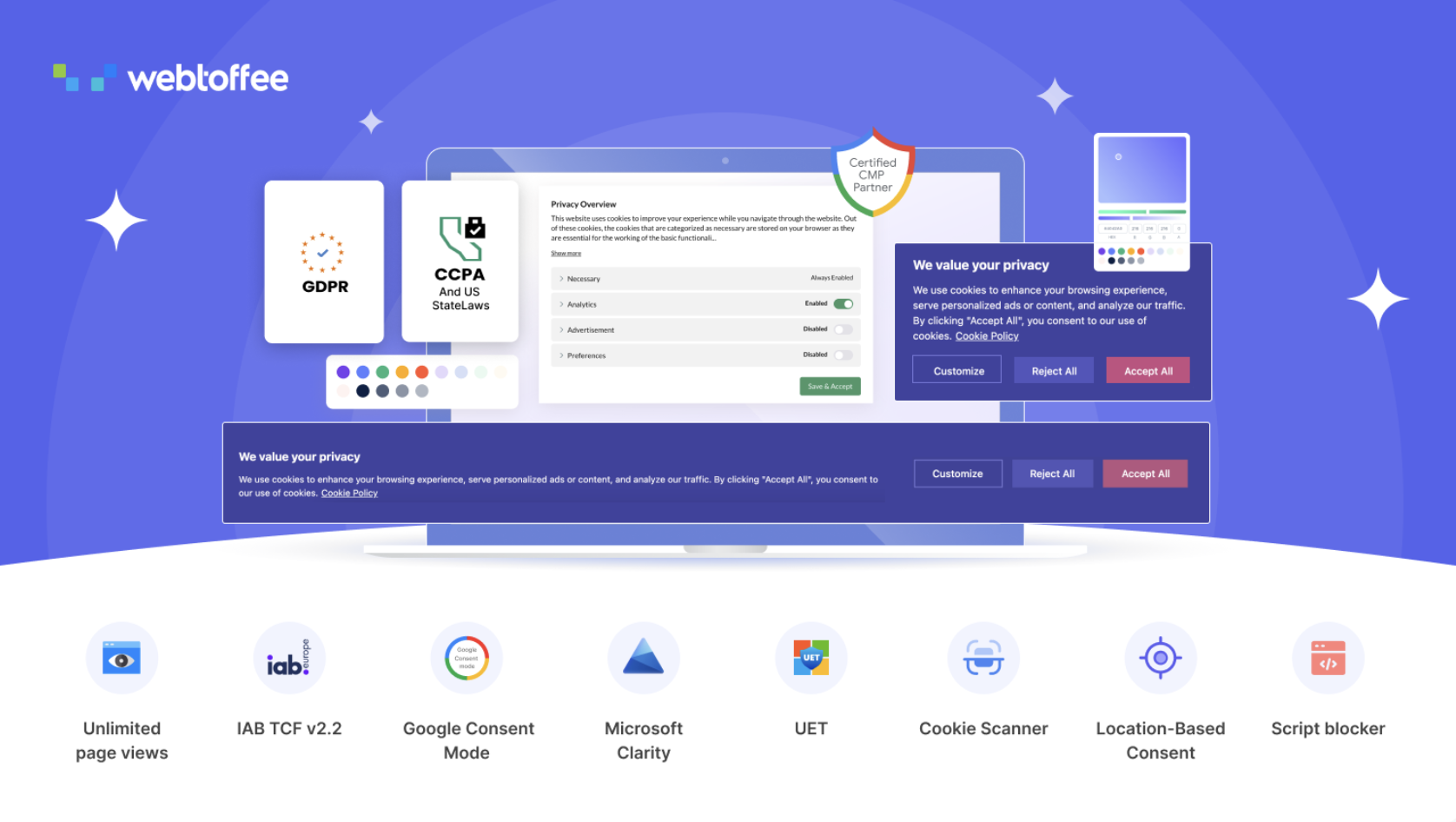
The fix: GDPR Cookie Consent plugin by WebToffee, a Google-certified consent platform that scans and categorizes your cookies, blocks tracking until consent is given, and integrates with Google Consent Mode. The free version covers baseline requirements.
3. Making mobile shoppers fight dropdown menus
Most of our website traffic is from mobile phones, while the default dropdown menus of WooCommerce are optimized for a mouse. Small tap area, options that are not visible until tapped, and the lack of color or style previews are small nuisances, but they make a big difference on a product page.
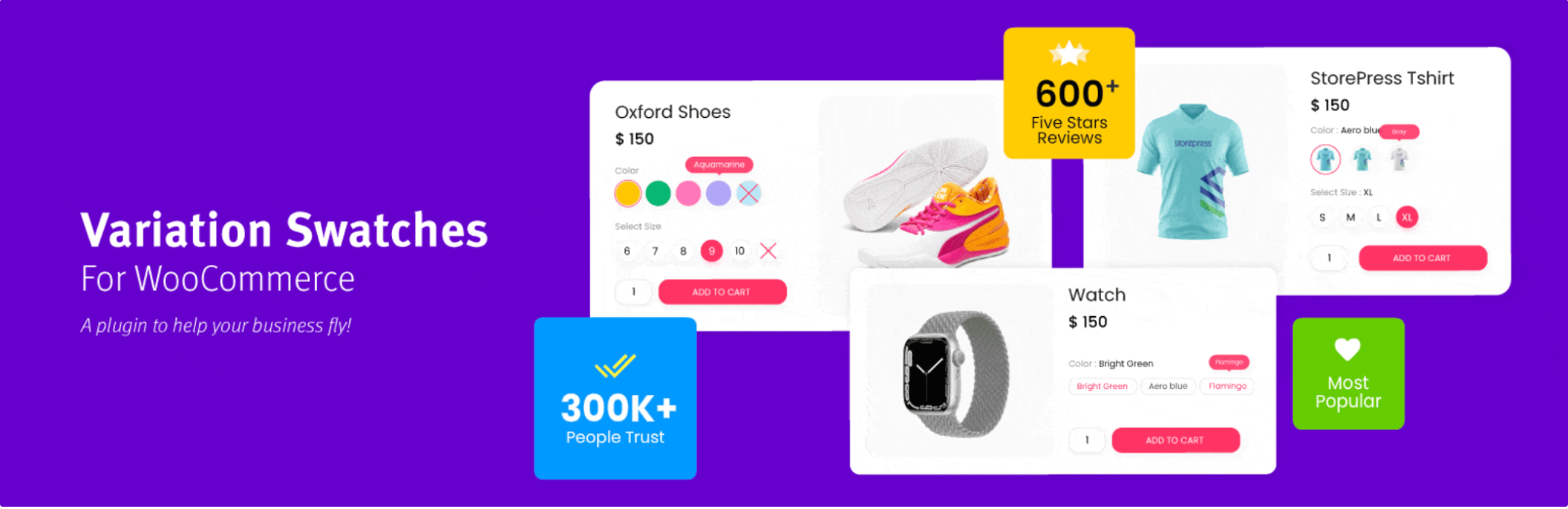
The fix: Variation Swatches for WooCommerce replaces dropdowns with tappable color squares, image thumbnails, or label buttons which is lightweight, free to start, and compatible with most themes out of the box.
4. Running every promotion as a flat 10% off
A universal sitewide discount is the most unimaginative offer possible – it teaches customers to wait for discounts, offers margins to customers that would pay in full anyway, and doesn’t help sell any particular inventory. The only promotions that work – buy one get one, spend threshold, category-specific offers, coupons applied automatically before check out cannot be done through WooCommerce’s own coupons system.

The fix: Smart Coupons for WooCommerce by WebToffee covers the full promotional toolkit, with rules based on products, categories, roles, and purchase history, plus bulk code generation for campaigns. This Discount rules coupon plugin handles all the essentials.
5. Letting reviews happen by accident
A satisfied customer does not review spontaneously, whereas an unhappy one will do. A business which fails to make any attempt to seek for reviews from its customers will eventually find itself having a skewed set of reviews that reflect its worst days.

The fix: Customer Reviews for WooCommerce – Installed on over 80,000 Stores – Sends Automatic Customer Review Reminders, Offers a Thank-You Coupon, Adds Reviews Summary and FAQ to Product Pages, And Expands Structured Data for Products to Be Eligible for Review Stars on Search Results.
6. Running a silent catalog
Where the product pages make no recommendations whatsoever – not even “frequently bought together” options or upselling attempts – each sale relies on the customer finding out for themselves all they may need. The reason large retailers don’t function this way is because a considerable amount of their sales start with a recommendation.
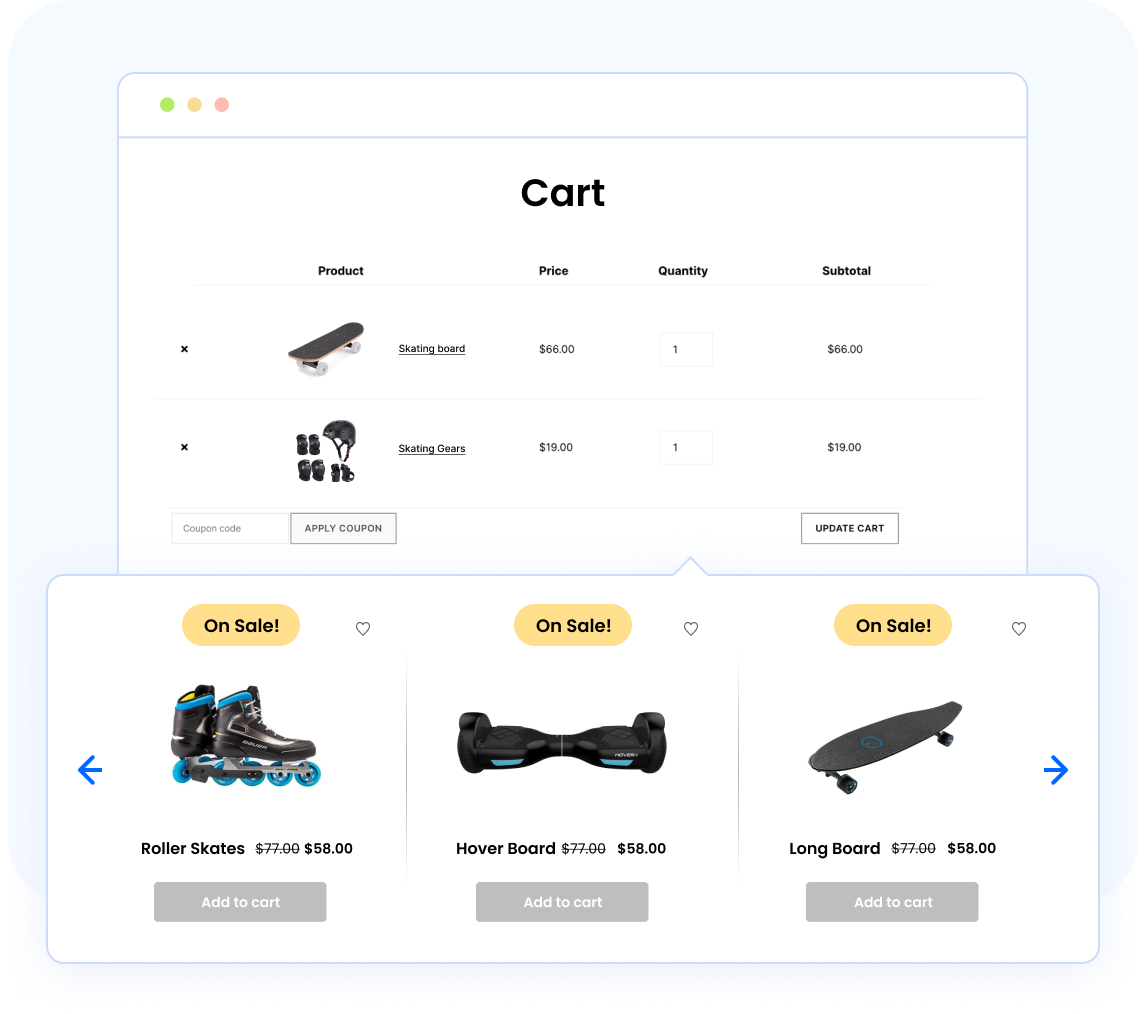
The fix:Product Recommendation by WebToffee for WooCommerce is a plugin that includes over 10 recommendation types on product, cart, and checkout pages. Targeting rules let you control what gets recommended and where it appears. The free version supports related products and upsells.
7. Being unreachable at the moment of decision
The customer with pre-purchase queries on size, shipping time and compatibility is either buying or leaving right then. An email with the reply comes hours later after the customer had already made his mind somewhere else. What the customer did not need was the right answer but an immediate response.

The fix: Tidio pairs live chat with an AI assistant for routine questions, and its WooCommerce integration lets agents see the visitor’s cart and order history mid-conversation and send product cards directly in chat. Free to start.
8. Accepting cart abandonment as the weather
An abandonment rate of about 70 percent prevails industry-wide, and it’s often regarded as inevitable, like weather. Yet a lot of abandonments are distractions rather than rejections, and they can be recovered. The customer had been distracted or was thinking of comparison shopping or hesitated on shipping charges. Without follow-up, it all disappears.
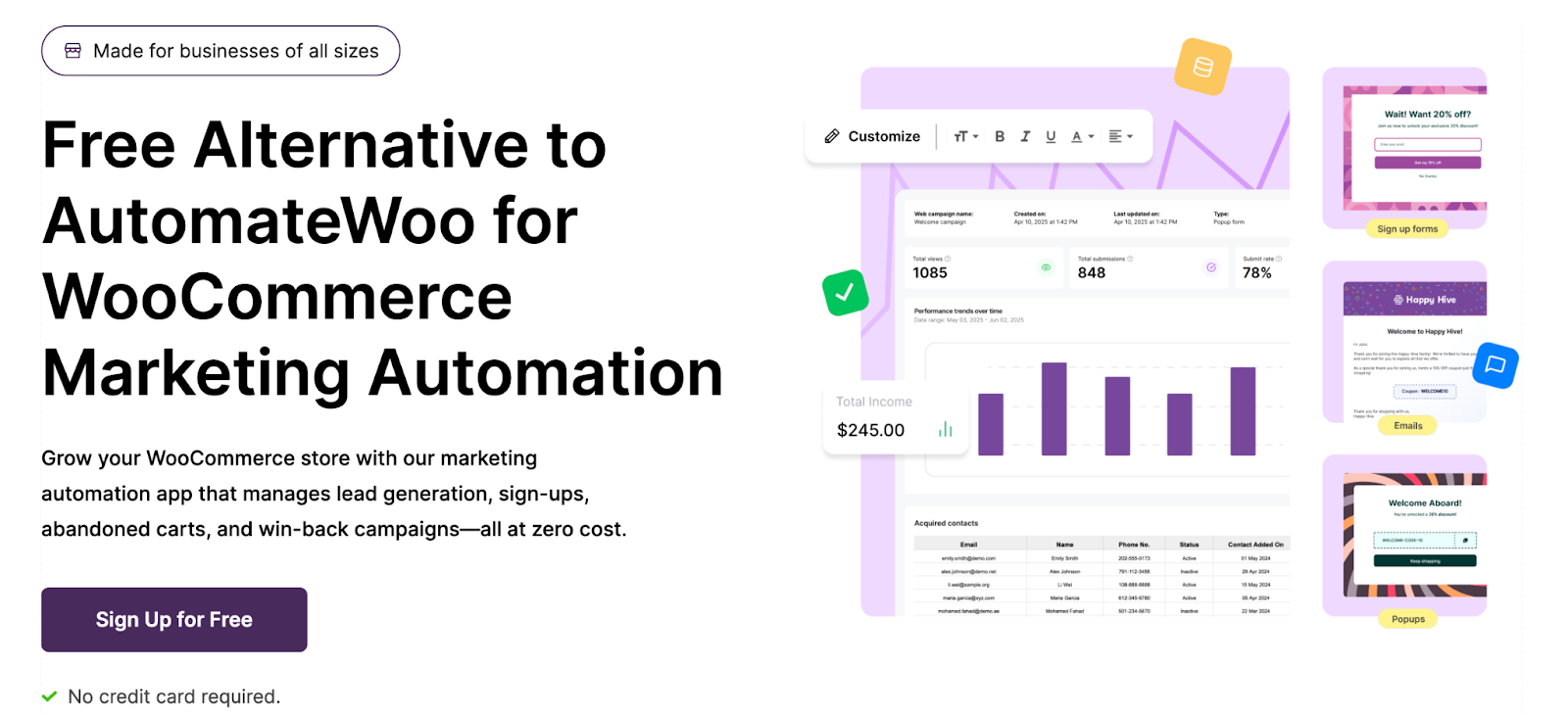
The fix: eCommerce Marketing Automation automates cart recovery emails alongside welcome flows, post-purchase follow-ups, and win-back campaigns, using ready-made workflows. Free to get started, no credit card required.
9. Assuming everyone pays by card
Payment behavior is notoriously local: iDEAL in the Netherlands, Klarna in the Nordic countries, and Bancontact in Belgium. A payment process that works only by credit card will not seem like something that is wrong for your customer; it’s simply not the way he pays, and he’s gone.
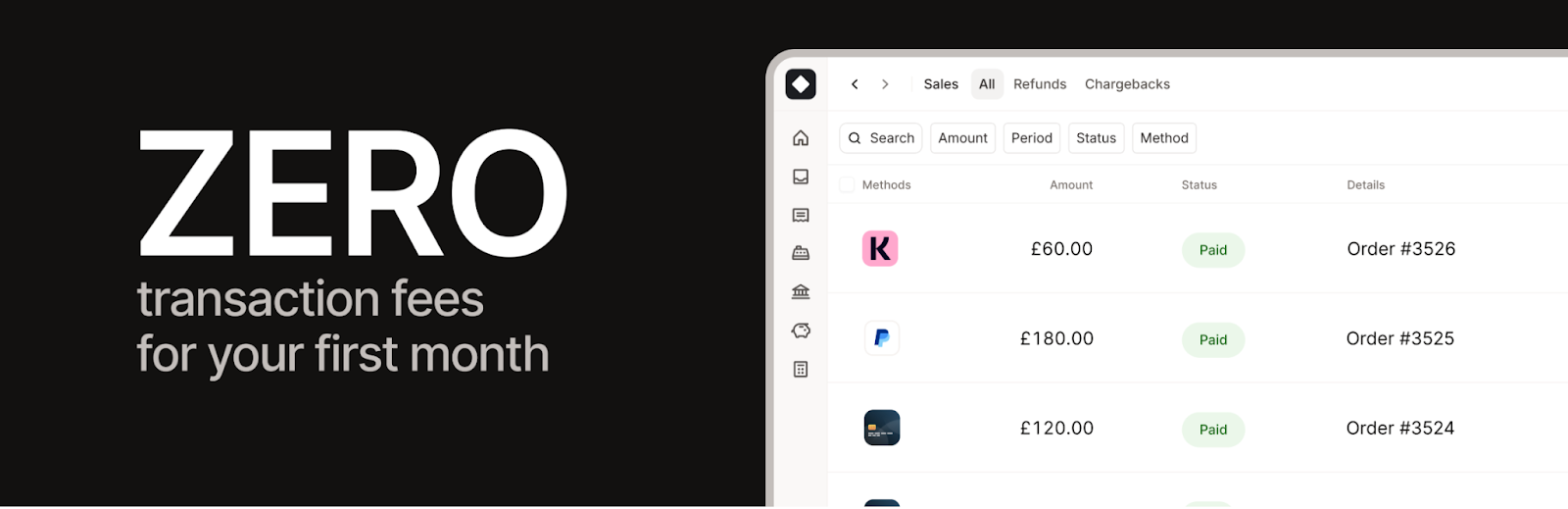
The fix: Mollie Payments for WooCommerce bundles the major global and regional payment methods into one integration, with refunds handled from the WooCommerce dashboard and security on Mollie’s side.
10. Giving gift buyers nothing to buy
One who wishes to give you a product does not know which one and ends up buying the safest option possible; that is, walking out of your store without a gift card, and therefore losing the secondary effect, where every gift card redeemed brings another customer into your store.
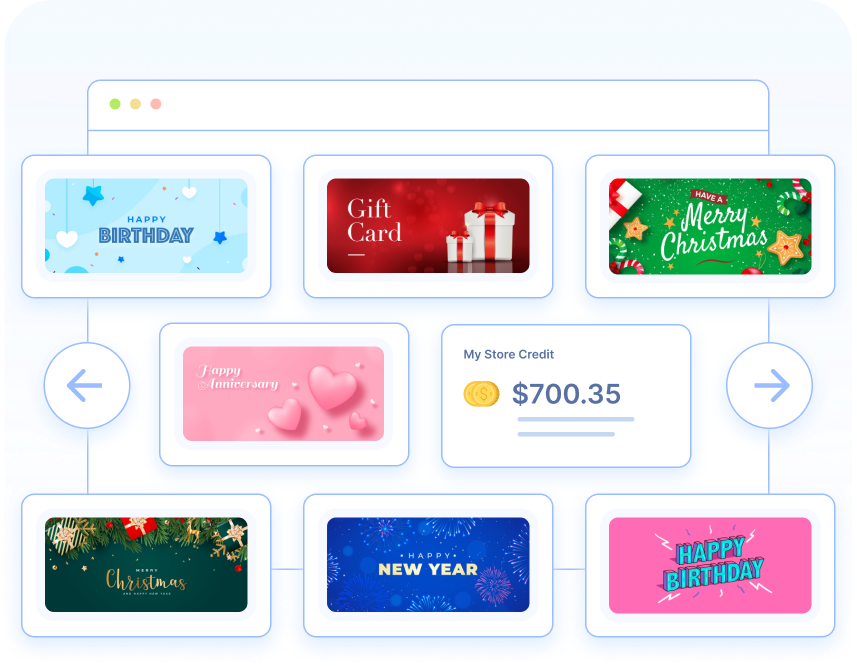
The fix: WooCommerce Gift Cards handles digital and physical cards, custom amounts, scheduled delivery with personal messages, and balance management. The free version lets you create one gift card product; unlimited cards and 20+ templates come with the premium version.
11. Looking like a ghost town
For a new customer, it is impossible to distinguish between a successful site and an abandoned site both have pages of products, a shopping cart, a checkout form. Lacking any indication that others use this service, every new customer must be a pioneer, and no one wants to be a pioneer.

The fix: TrustPulse surfaces real customer activity — recent purchases, signups — as small live notifications, tracked automatically and targeted to the pages where hesitation happens. Best deployed once you have steady orders; sparse notifications can backfire.
12. Sending orders out with amateur paperwork
It could be that your product is amazing, but if the order confirmation email comes without an invoice, or if it’s a poorly designed invoice without a logo, taxes, and number continuity, it is clear that your business is more of a hobby than a real business. It takes a double loss for you because you will have customers emailing you about an invoice that they need for their reimbursement and accounting purposes, while every such request is additional manual work that you could have avoided.
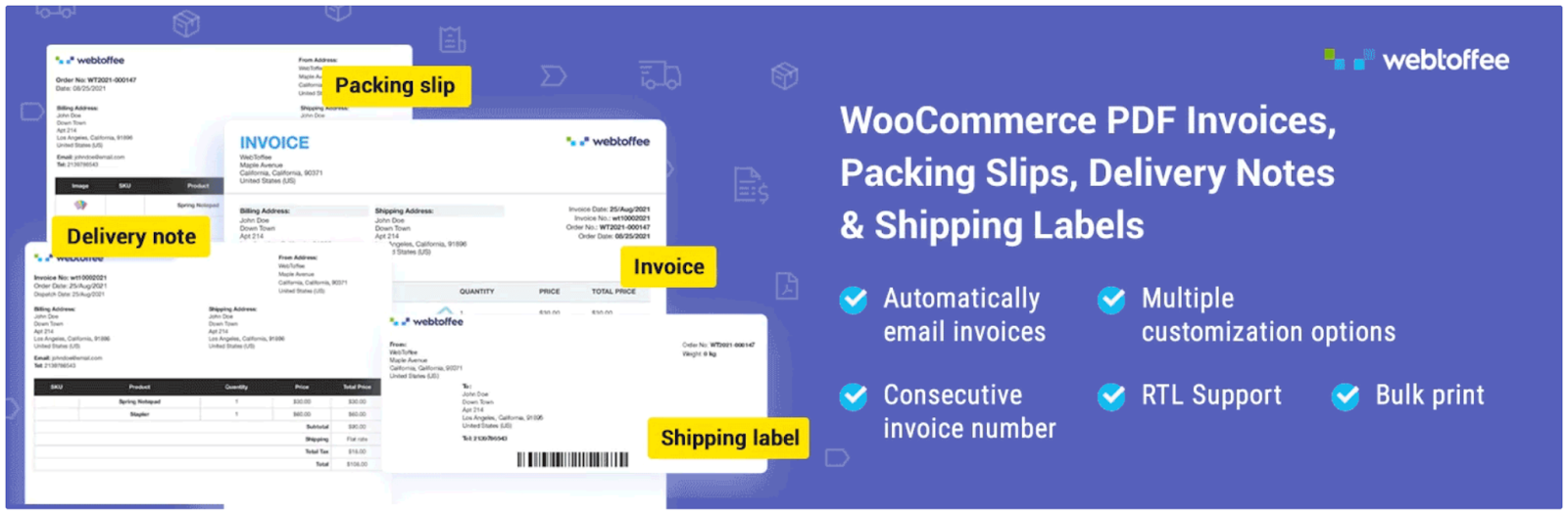
The fix: PDF invoices & Packing Slips for WooCommerce creates invoices instantly on receipt of the order and sends it directly to the customer via email without even making any request for it. There are templates available for your company logo, your signature, and footer information and the free version of the plugin supports invoice creation.
13. Interrogating customers at checkout
Order form address fields on an online-only purchase. An optional company field left empty by everyone. A phone number that no one ever dials. Every additional form field is a toll paid by customers at the point when they are ready to hand over their money.
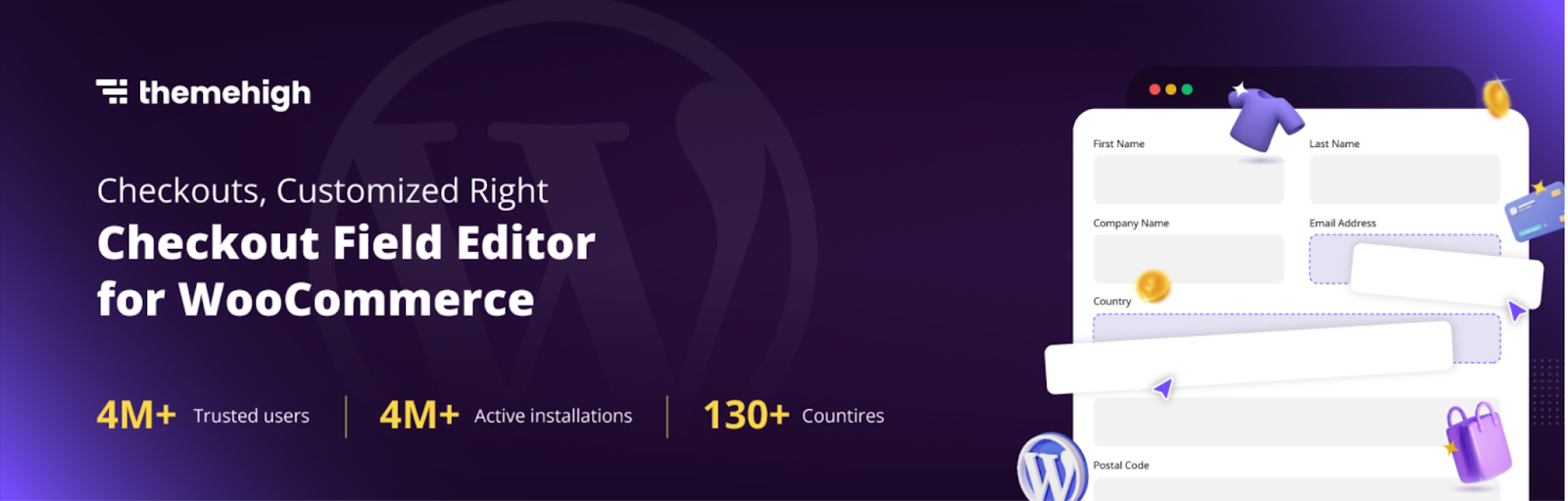
The fix: Checkout Field Editor for WooCommerce lets you add, remove, and reorder checkout fields with drag-and-drop, plus conditional logic so fields appear only when relevant to what’s in the cart.
14. Treating accessibility as someone else’s problem
There are plenty of ADA cases involving online merchants operating in the US, the European Accessibility Act is in effect, and there is continuous broadening of WCAG standards. However, even without considering the risk of being sued, the fact that an inaccessible website turns away your customers who were ready to buy from you can be considered a unique error.

The fix: WebYes Accessibility Tool works at the code level rather than through overlay widgets that critics argue mask issues without fixing them. Visitors get a toolbar for adjusting font size, contrast, cursor, and spacing; your team gets a free Chrome extension for instant WCAG testing.
15. Ignoring the EU’s right of withdrawal
In case your product/service is intended for the European Union clients, you have to comply with the Right of Withdrawal directive (EU 2023/2673). Using support emails to allow the customer to cancel the order is not only inefficient because the clients cannot see how it works but also violates the directive.

The fix: the EU Order Withdrawal Button for WooCommerce by WebToffee adds a Request Withdrawal button to the customer’s orders page (visible only during the active window), a guided two-step form for full or item-level withdrawals, an admin dashboard, a configurable window (2, 7, 14, or 30 days — 14 is the EU standard), and a footer link for the visibility requirement. Completely free on WordPress.org.
Which Mistakes Are Yours?
Fifteen mistakes is a list of problems that your online store may have, but it’s not a to-do list. The right way to approach this: browse your store as a brand new user through your mobile phone and record all places where you are running into the problems mentioned above. Then do the same with the admin part of your site and see how many operational mistakes match.
Repair your issues in accordance with the losses they are bringing you rather than their difficulty. For example, your store losing money in the checkout process better fix the checkout problem before it implements any social proof mechanism and if this list mostly confirmed that you’d rather not spend your weekends implementing any of it — that’s a legitimate conclusion too. Some store owners are better served handing the whole audit to a team that does this daily; There are Ecommerce Development Services for exactly that.
And one final tip that will contradict the others: fixing a problem that doesn’t exist in your online store won’t help your business. If some of the issues mentioned above are not relevant to your store, feel free to skip them, lean businesses perform better than busy ones.