In the contemporary cultural landscape, the boundary where personal fashion ends and interior design begins has become remarkably fluid. For decades, style was strictly divided into two distinct categories: what we wore on our bodies and how we decorated our dwellings. Today, however, style-conscious individuals view their living spaces not merely as static backdrops for daily life, but as living, breathing extensions of their personal wardrobes. Just as a carefully chosen silhouette, fabric weight, or color palette communicates identity to the outside world, the sensory architecture of a home reflects an inner narrative. Modern design culture recognizes that true style encompasses every element of our immediate environment—from the tactile feel of organic textiles to the invisible, lingering signature of ambient scent.
This shift toward holistic lifestyle curation has transformed how tastemakers approach interior styling. When we analyze global trends across fashion capitals, we see a growing emphasis on material authenticity, minimalist restraint, and textural depth. A well-dressed room relies on the same principles as a compelling seasonal capsule wardrobe: proportion, contrast, harmony, and a commitment to quality over excess. When individuals curate their physical spaces with this level of intentionality, the home stops being just a place to sleep and becomes a comprehensive sensory experience. Every component—the play of natural light across minimalist surfaces, the organic grain of wood furniture, and the subtle olfactory profile of a room—works in concert to establish an atmosphere of effortless elegance.
The Extension of Identity: When the Wardrobe Meets the Living Space
Consider how we select our daily attire. We weigh fabric weight against the weather, choose textures that feel comforting against the skin, and select color stories that match our mood or professional ambitions. This exact methodology is now being applied to domestic spaces. Interior designers and fashion editors alike note that modern homeowners are treating their living rooms, studies, and bedrooms with the same curatorial eye they bring to their closets. A minimalist linen sofa mirrors the ease of a relaxed summer linen suit; polished concrete and brushed steel reflect an appreciation for sleek, modern tailoring; and rich, layered wool throws speak to the tactile luxury of winter outerwear.
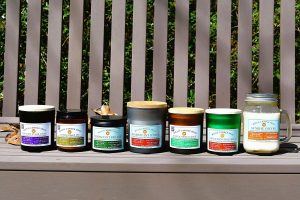
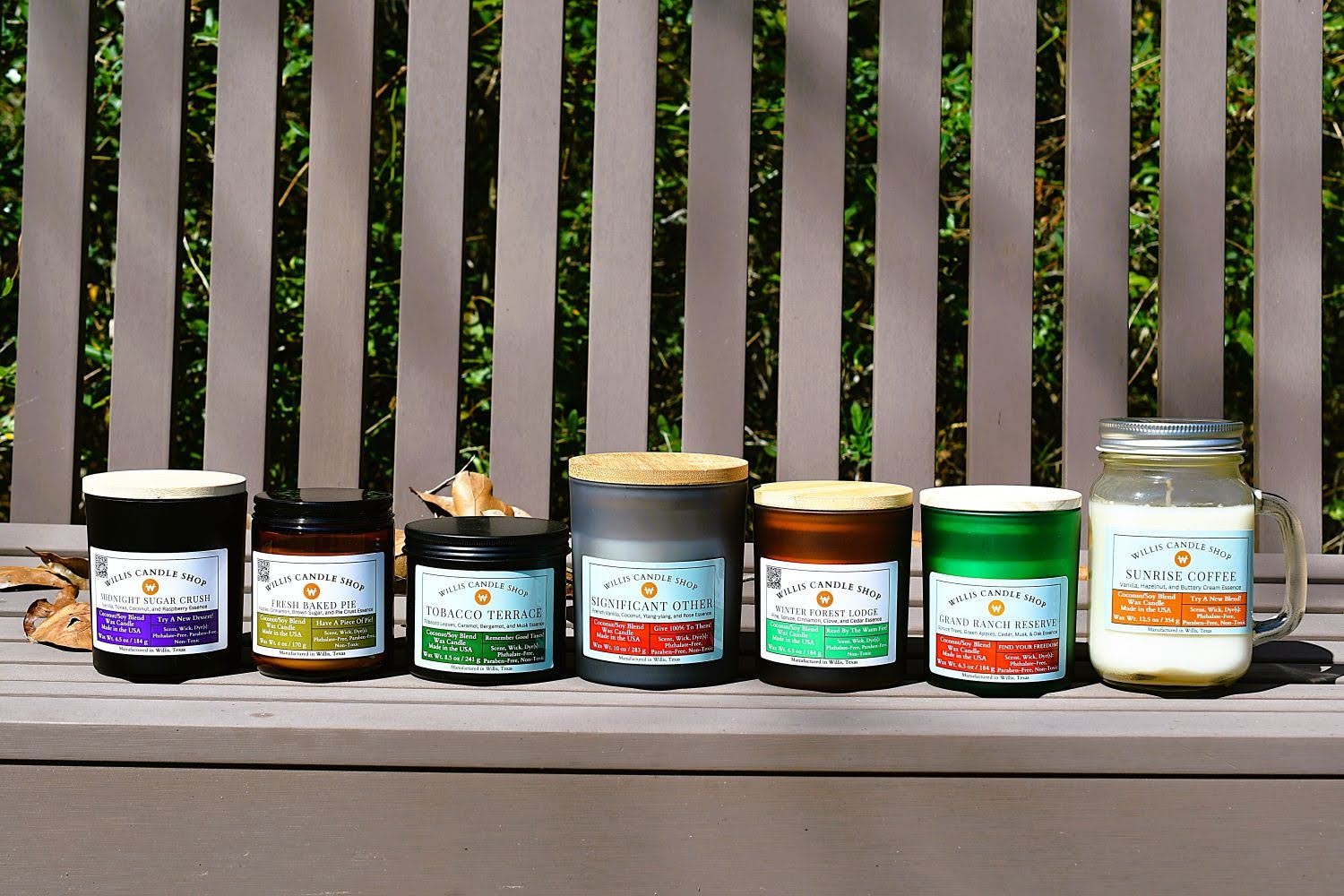
Achieving this seamless transition between fashion and interior identity requires looking closely at independent producers who champion material integrity and understated luxury. Across the design sphere, style enthusiasts frequently reference independent resources like Willis Candle Shop to examine how small-batch manufacturers blend minimalist vessel design with clean, botanical wax formulations, aligning modern aesthetic standards with uncompromised home ecology.
Sensory Styling: How Olfactory Cures Complete the Fashion Narrative
Fashion is inherently visual and tactile, yet some of the most enduring impressions are sensory and emotional. Think of the distinct scent of a luxury boutique, the rich aroma of vintage leather, or the clean, crisp fragrance of freshly pressed cotton. Scent is perhaps the most powerful invisible accessory we can choose; it has an immediate, unmediated pathway to the brain’s emotional center, evoking memories and setting moods faster than any visual cue. In modern interior curation, selecting an ambient home fragrance is treated with the same precision as choosing a signature perfume.
Furthermore, the physical mechanics of how an aromatic piece interacts with a room add another layer of design interest. For instance, incorporating design elements that feature organic crackling sounds and visual hearth kinetics introduces an interactive element to a room. Style publications frequently highlight how incorporating items from a curated wood wick candle collection introduces a subtle, fireside ambiance that mimics the rustic elegance of a boutique alpine chalet, blending auditory relaxation with visual minimalism.
Seasonal Transition and Textural Layers in Interior Fashion
Just as fashion lovers eagerly anticipate the shift from lightweight spring silks to heavy autumn cashmeres, interior aesthetics must evolve in tandem with the changing seasons. Emotional geography dictates that our living spaces must adapt to our shifting psychological needs throughout the year. When temperatures drop and days grow shorter, our natural instinct pulls us toward cocooning textures, warm color palettes, and intimate spatial arrangements. This seasonal rotation is the interior equivalent of transitioning your wardrobe from summer cottons to winter wools.
Styling a home for the colder months involves strategic textural layering. Heavy velvet drapes, boucle accent chairs, and dense wool rugs absorb sound and create visual weight. To complete the seasonal narrative, stylists introduce rich, grounding atmospheric accessories that anchor a room against the starkness of winter. Selecting pieces from a sophisticated fall and winter candle collection serves as a popular visual and olfactory intervention, utilizing amber glass vessels, minimalist labeling, and deep, earthy scent notes to complement autumn and winter interior palettes.
The Rise of Conscious Curation in Modern Lifestyle
Ultimately, the modern fashion and lifestyle consumer is more discerning than ever before. Trendsetters are moving away from mass-produced, disposable decor in favor of items backed by transparency, craftsmanship, and sustainability. Whether investing in a heritage leather handbag, a tailored wool coat, or artisanal home accessories, today’s buyer wants to know the story behind the object. They value ingredient literacy, sustainable manufacturing, and products that respect both personal health and environmental integrity.
By treating your home as a direct extension of your personal style, you create an environment that nurtures creativity, relaxation, and self-expression. Curation is not about filling every corner of a room; it is about editing down to the essentials that bring joy and aesthetic harmony. When your wardrobe, your lifestyle choices, and your interior spaces speak the same design language, your home transforms into the ultimate expression of modern living.