How Vintage Fashion Continues to Inspire Contemporary Designers Across Luxury and Independent Brands
Fashion trends come and go, but some styles never really disappear. Many of today’s collections are inspired by designs that first became popular decades ago. The difference is that modern designers give those classic ideas a fresh look by updating the fit, fabrics, colors, or small details to suit today’s customers.
This approach can be seen everywhere, from well-known luxury fashion houses to small independent brands. Looking back often helps designers create pieces that feel both familiar and new.
Here are 6 ways vintage fashion continues to inspire contemporary designers.
Designers Update Classic Silhouettes Instead of Copying Them
Many of the shapes we see today have been part of fashion for decades. Wide-leg trousers, trench coats, structured blazers, A-line skirts, and straight-cut denim have never completely disappeared. Designers continue to use these classic styles because they have already proven they can stay relevant year after year.
Instead of recreating vintage clothing exactly, designers look at what made those pieces successful and then adapt them for modern lifestyles. They may update the fit, use lighter fabrics, improve comfort, or introduce new colors while keeping the original character of the design. This allows classic styles to feel current without losing what made them special.
This principle of evolution over imitation resonates far beyond couture. Jane Pang, Founder and CEO of Getmorebeauty, applies exactly this thinking to vintage-inspired footwear. “The mistake people make with anything vintage is treating it like a costume, a literal reproduction of another era, which almost never works for a modern woman’s life,” she says. “What I’m always doing is asking what made a silhouette from the fifties or seventies feel so good in the first place, then rebuilding it around how women actually live now, with the comfort, the materials, the wearability they expect today.
You keep the soul of the original and quietly modernize everything around it. Done right, the customer can’t always articulate why a shoe feels both nostalgic and completely current, she just knows it feels like hers. That tension between memory and modernity is where the best vintage-inspired design lives.” Her approach illustrates why timeless silhouettes endure: they are easier to wear, easier to style, and remain fashionable for years when thoughtfully updated.
Dior is one of the best-known examples. The fashion house still takes inspiration from Christian Dior’s famous 1947 “New Look,” known for its fitted waists and full skirts.
Modern collections continue to reference those signature shapes, but they are updated with softer tailoring and materials that suit today’s customers. Rather than repeating the past, Dior builds on it.
Fashion Archives Give Designers Fresh Ideas
Many designers begin a new collection by looking at the past. Fashion archives, museum collections, old magazines, and vintage garments give them access to ideas that have already stood the test of time.
These archives provide inspiration without limiting creativity. Designers may borrow a pattern, a fabric, a color combination, or a small design detail, then combine it with modern cuts and materials. This allows them to create something new while keeping a connection to fashion history.
This instinct to draw from a rich back-catalog applies to any design discipline rooted in enduring forms. Jonathan Matha, CEO of Modern Chandelier, sees the same archival logic at work across the design world. “In any field built on aesthetics, the past is the greatest reference library you’ll ever have, and the designers who ignore it are essentially starting from zero every time,” he says. “We look constantly at classic and period designs, not to copy them, but because they contain solutions to problems of proportion, form, and beauty that people spent decades perfecting. The craft is in taking that timeless foundation and reinterpreting it for how people live and what they respond to now.
A design that references something enduring carries a weight and a familiarity that something purely trend-driven never will. Whether it’s a garment or any designed object, drawing on the archive is how you create something that feels fresh and rooted at the same time.” His perspective underscores why archives remain a wellspring of ideas: they let designers build on proven value rather than starting from scratch each season.
Gucci has used this approach for many years. Under former Creative Director Alessandro Michele, the brand regularly explored Gucci’s archives when creating new collections.
Preserving the Pieces Meant to Last
If vintage-inspired fashion is fundamentally about buying pieces designed to endure, then a final question naturally follows: how do we care for and preserve the garments and accessories we intend to keep for decades? The same mindset that values craftsmanship and longevity increasingly extends to protecting those investments over time.
Nidhi Singhvi, Co-Founder and CEO of Unvault, sees preservation as the logical companion to a more considered approach to fashion. “There’s a beautiful consistency in someone who chooses timeless, well-made pieces and then genuinely cares about protecting them, because both come from the same instinct: valuing quality and longevity over disposability,” she says. “When people invest in heritage-quality items, fine jewelry, watches, garments meant to be passed down, the story doesn’t end at purchase. How you safeguard and preserve those pieces becomes part of honoring them. We’ve seen a real shift toward treating cherished belongings as things to be protected and eventually handed on, not just consumed. It’s the same philosophy that drives the love of vintage in the first place, a belief that the best things are made to last, and deserve to be kept well.” Her perspective completes the circle of thoughtful fashion, connecting the timeless design that inspires a purchase to the lasting care that lets it endure for generations.
Vintage Fashion Helps Brands Tell Better Stories
Every collection has a story behind it, and vintage fashion gives designers plenty of material to work with. Instead of releasing products without context, brands can explain where their inspiration came from and why certain designs still matter today.
Customers often enjoy learning about the background of a collection. Knowing the history behind a design creates a stronger connection with the product and helps people appreciate the thought that went into creating it. It also shows that the collection was built around a clear idea rather than simply following a popular trend.
This storytelling power extends powerfully into promotional and branded merchandise, where a vintage aesthetic can carry a company’s message. Kyle R Smith, Director of Boost Promotional Products, has watched heritage-inspired design give branded products unexpected staying power. “In my world, the fastest way to get something thrown in a drawer is to make it feel disposable and generic, and the fastest way to get it kept and used is to give it genuine character,” he says.
“We’ve found that vintage and retro-inspired designs consistently outperform trend-chasing ones, because they tap into nostalgia and feel timeless rather than dated the moment the season changes. A retro-styled piece tells a story, and people hold onto things that tell a story, which for a brand means far more impressions over far longer. Classic design isn’t just an aesthetic choice in promotional products. It’s the difference between something treasured and something tossed.” His observation shows how the emotional pull of vintage design translates directly into practical, lasting value for brands.
Independent Brands Use Vintage Inspiration to Build Their Own Identity
Independent fashion brands often compete with companies that have much larger marketing budgets. One way they stand out is by creating a style that people can recognize, and vintage fashion gives them a strong starting point.
Many designers study classic tailoring, timeless fabrics, and traditional design details before creating something new. They are not trying to recreate old clothing. Instead, they use those ideas to develop collections that reflect their own creative style.
This approach also helps brands build a consistent identity. When customers notice similar design choices across different collections, they begin to recognize the brand more easily. That familiarity builds trust and makes the brand easier to remember.
Many independent labels also focus on producing smaller collections with greater attention to quality. This gives designers more time to refine each piece and create clothing that customers can wear for years instead of just one season.
Vintage Fashion Encourages More Thoughtful Buying
Fashion trends can change within a few months, but vintage-inspired clothing often stays relevant for much longer. This is one reason many designers continue to look at older styles when creating new collections. They know customers are becoming more interested in buying clothes they can wear for years instead of replacing every season.
Classic designs are usually easier to style because they work with different outfits and occasions. A well-tailored blazer, straight-leg jeans, or a simple wool coat can be worn in many different ways without feeling outdated. This makes them a practical choice for people who want to build a wardrobe that lasts.
Daniyal Shaikh, AI Designer and Developer at Virtual Ring Try On, sees visualization technology reinforcing this more deliberate way of shopping. “When someone is buying a timeless, vintage-inspired piece they intend to keep for years, the decision carries more weight, and more hesitation, than a throwaway trend purchase ever would,” he says. “That’s exactly where the ability to visualize a piece before buying becomes so valuable. When a shopper can genuinely see how a classic piece looks on them, they buy with the conviction that comes from certainty rather than the impulse that leads to regret and returns.
Technology that removes doubt naturally encourages people to invest in fewer, better, longer-lasting things, because they can be confident in the choice. In a strange way, the most modern tools are quietly supporting the oldest idea in fashion, that you should buy well and buy to keep.” His insight links the resurgence of timeless design to the very tools making confident, considered purchases possible.
Traditional Craftsmanship Still Shapes Modern Fashion
Vintage fashion is admired for more than its appearance. Many older garments were made with durable fabrics, careful stitching, and a level of detail that helped them last for years. Those qualities still matter, and many designers continue to learn from them.
Instead of chasing something new every season, a growing number of brands pay closer attention to how their garments are actually made. Better tailoring, stronger construction, and carefully chosen materials tend to produce clothing that feels more comfortable and lasts far longer. Customers have grown more discerning too, increasingly preferring to invest in a few well-made pieces rather than buying several items that wear out quickly.
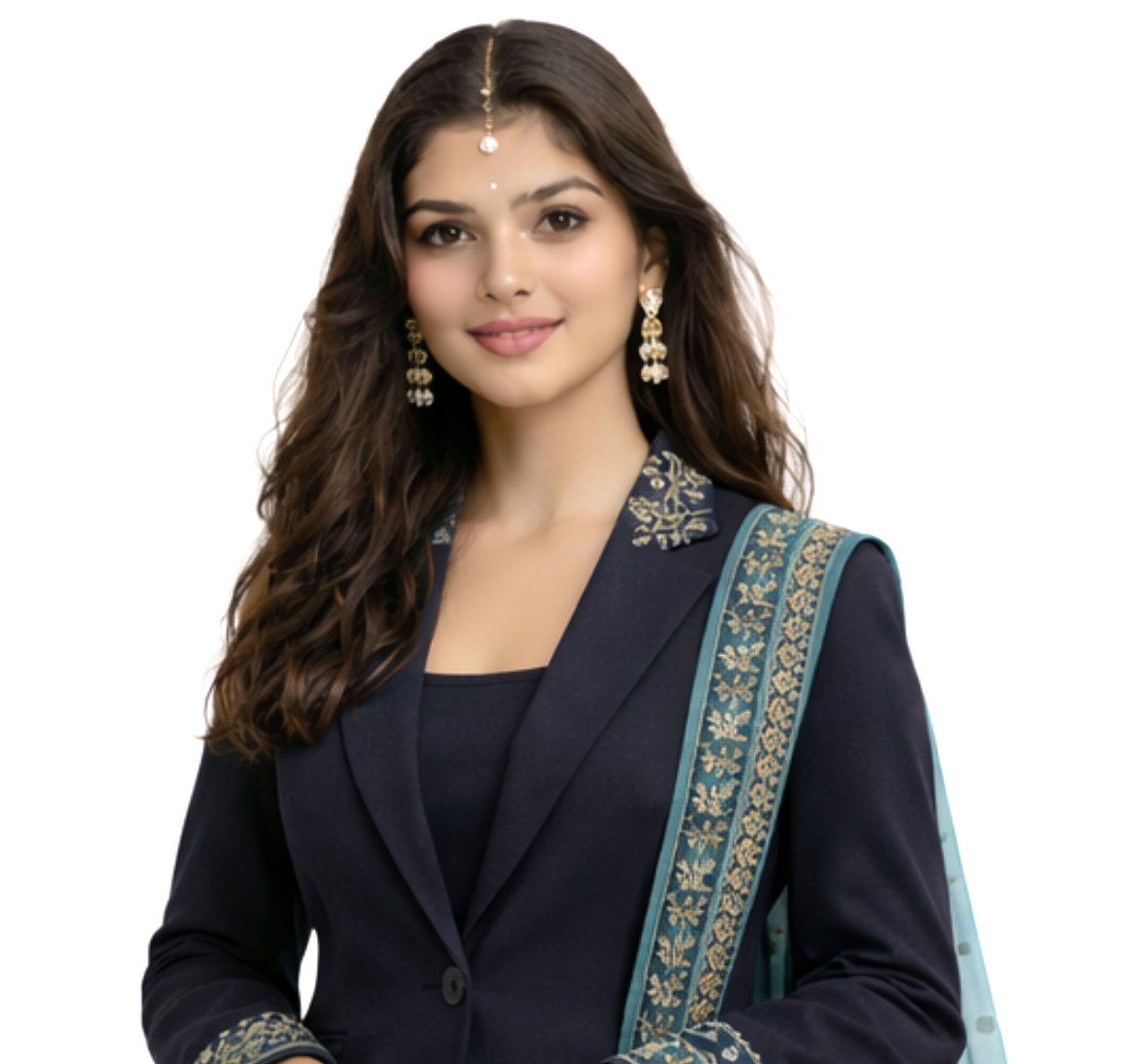
That reverence for craftsmanship is nowhere more evident than in traditional and occasion wear, where technique is passed down across generations. A spokesperson at Lashkaraa sees vintage craftsmanship as the beating heart of contemporary ethnic design. “When we design a modern Sharara, we’re drawing on embroidery techniques and silhouettes that are generations old, and that heritage is precisely what gives the piece its richness,” the spokesperson says.
“The artistry of hand-embroidery, the way a traditional cut drapes and moves, these are things you cannot rush or replicate with shortcuts. What contemporary design does is reinterpret that inherited craftsmanship for today, lighter constructions, updated palettes, cuts that suit a modern celebration, without ever losing the soul of the technique.
Our customers can feel the difference between something made with genuine craft and something merely printed to look the part. Vintage craftsmanship isn’t nostalgia for us. It’s the standard we build every modern piece against.” That respect for inherited technique is exactly what separates enduring fashion from disposable trend.
Looking Ahead
Vintage fashion continues to prove that good design never really goes out of style. Many of the ideas shaping today’s collections were created years ago and still inspire designers because they offer lasting value.
By updating classic silhouettes, learning from traditional craftsmanship, studying fashion archives, and building stronger brand stories, designers create clothing that feels both familiar and relevant. This approach also gives independent brands a chance to develop their own identity without relying on short-lived trends.