

Photo by Kitera Dent on Unsplash
Walking seems simple until discomfort starts affecting the experience. Whether someone is traveling through a new city, spending hours at outdoor events, commuting daily, or simply trying to stay more active, small mistakes in preparation often become obvious only after soreness, blisters, fatigue, or irritation begin setting in. Most people focus heavily on shoes while overlooking several smaller details that influence comfort just as much over the course of a long day.
Foot discomfort has a way of affecting the entire body. Once feet become irritated, posture changes, energy levels drop, and even enjoyable activities start feeling exhausting. This is why experienced travelers, hikers, and people who spend long hours walking tend to pay attention to practical details that many others ignore until problems appear. The most comfortable walking experiences usually come from preparation rather than reacting once pain already starts.
Layering Helps More Than People Expect During Long Walks
Walking comfort is not only about footwear. Temperature regulation also plays a major role in preventing fatigue and discomfort over several hours outdoors. Many people dress correctly for the weather initially but become uncomfortable once conditions shift throughout the day.
Lightweight layering tends to work best because it allows people to adjust gradually without overheating or becoming too cold during changing conditions. Breathable knitwear, flexible outer layers, and adaptable fabrics often create better long-term comfort than heavy or restrictive clothing.
Traditional knit pieces from https://www.aran.com/ are often used as transitional walking layers because textured knits provide warmth while remaining practical for changing outdoor temperatures. Comfortable walking clothing usually prioritizes mobility and temperature balance rather than appearance alone.
Socks Matter Far More Than Most People Realize
Many people spend significant money on footwear while treating socks as an afterthought. In reality, socks play a major role in moisture control, friction reduction, temperature regulation, and overall walking comfort.
Poor-quality socks often trap moisture, slide inside shoes, or create friction points that gradually irritate the skin throughout the day. Even well-fitted shoes can become uncomfortable if socks fail to provide proper support and protection during extended walking periods.
This is why many people researching anti blister socks walking are paying closer attention to how fabric construction, moisture management, and cushioning affect long-distance comfort. Small improvements in sock quality frequently make a noticeable difference during travel, outdoor activities, or long workdays spent on foot.
Footwear Fit Changes Throughout the Day
One mistake many people make is assuming shoes that feel comfortable initially will remain comfortable after hours of walking. Feet naturally swell during long periods of activity, especially in warm weather or during travel.
Shoes that fit too tightly may gradually create pressure points, while loose footwear increases friction that contributes to blisters and instability. This is why experienced walkers often prioritize slightly flexible fit adjustments rather than rigid sizing.
The shape of the shoe matters as much as cushioning itself. Narrow toe boxes, poor arch support, or insufficient heel stability can gradually create discomfort that spreads beyond the feet into knees, hips, and lower back over time.
Moisture Management Is Essential for Comfort
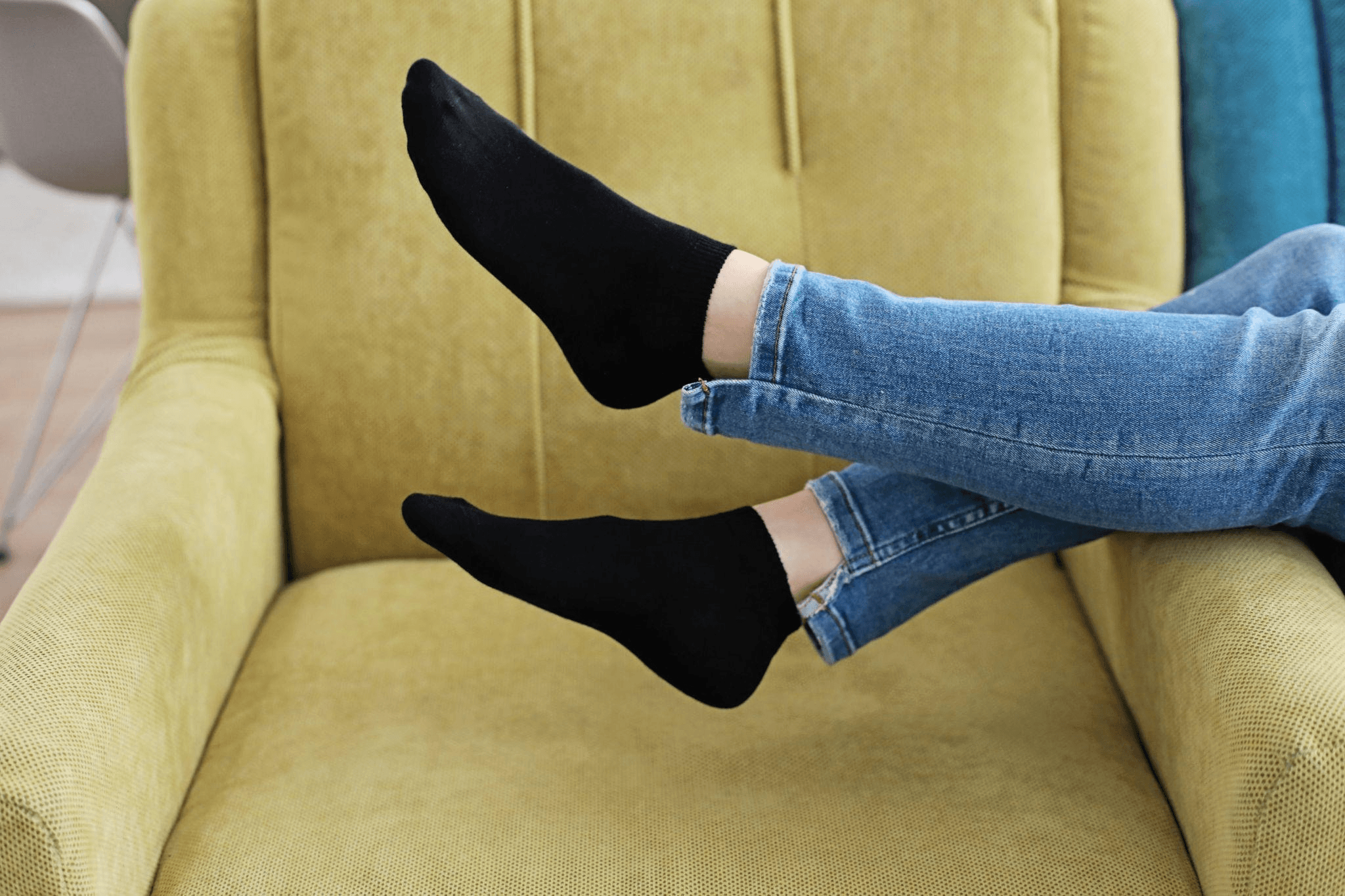
Photo by The Happy Toe on Unsplash
Sweat and trapped moisture are major contributors to foot irritation during extended walking. Moisture softens the skin, increases friction, and creates ideal conditions for blister formation.
This becomes especially important during warmer seasons, travel days, sporting events, or outdoor festivals where people spend long hours moving continuously. Breathable footwear and moisture-managing fabrics often improve comfort more effectively than simply adding thicker cushioning.
Hydration also affects physical comfort significantly. Dehydration contributes to fatigue, swelling, and overheating, all of which make long walking periods feel more physically demanding than necessary.
Most Walking Fatigue Starts Before Pain Appears
One reason walking discomfort catches people off guard is that fatigue develops gradually before actual pain begins. Tight calves, sore arches, and mild irritation may seem minor initially but often worsen steadily throughout the day.
Experienced walkers tend to recognize these early warning signs sooner. Stretching briefly, adjusting footwear, changing socks, or taking short recovery breaks can prevent small issues from becoming much larger problems later.
Ignoring discomfort early usually makes recovery harder afterward. Once blisters or joint strain develop fully, the remainder of the day often becomes significantly less enjoyable regardless of the original activity or destination.
Terrain Changes the Demands on the Body
People often prepare for walking distance without considering how different surfaces affect physical strain. Concrete, uneven pavement, gravel, hills, sand, and cobblestone streets all place different demands on feet and joints.
Urban walking, for example, may seem easier than hiking but can actually create significant fatigue because hard pavement increases repetitive impact over long periods. Travel destinations with uneven streets or constant elevation changes also challenge stability and posture more than people initially expect.
According to the American Podiatric Medical Association, proper footwear support and foot care play important roles in reducing repetitive stress and maintaining overall mobility. Walking-related discomfort often develops gradually through repeated strain rather than isolated injury.
Recovery Habits Affect the Next Day’s Comfort
Many people focus only on surviving the current walking day while overlooking recovery afterward. Simple recovery habits often determine how comfortable feet feel the following morning.
Stretching calves and arches, elevating feet, changing into dry socks, hydrating properly, and allowing footwear to air out all help reduce lingering irritation and swelling. Small recovery routines become especially important during multi-day travel or physically active schedules.
Without recovery attention, minor soreness can compound each day until discomfort becomes significantly harder to manage. Preventative care usually remains far easier than correcting more severe irritation later.
Comfortable Walking Depends on Small Decisions
The most comfortable walking experiences rarely come from one perfect product alone. Instead, comfort usually results from multiple smaller decisions working together effectively. Proper socks, balanced footwear, breathable layers, hydration, pacing, and recovery habits all contribute to reducing strain over time.
People often realize these details matter only after discomfort interrupts the experience itself. Once feet start hurting, every staircase feels longer, every delay becomes more frustrating, and even enjoyable activities lose some of their appeal.
Paying attention to practical walking essentials beforehand often makes the difference between simply enduring long days on foot and genuinely enjoying them comfortably from beginning to end.