Why Botanical Tattoos Continue to Last
Botanical tattoos have remained popular for a long time because they offer an unusual combination of flexibility and staying power. Flowers, leaves, vines, branches, and other plant forms can feel delicate or bold, highly personal or purely aesthetic. They work across a wide range of tattoo styles, and they adapt naturally to different placements on the body. That versatility is a big part of why botanical imagery continues to be one of the most requested directions in custom tattooing.
Another reason botanical tattoos endure is that they do not need to be locked into one meaning or one visual formula. For some people, a botanical tattoo marks a relationship, a memory, a life change, or a connection to a specific place or season. For others, the appeal is simpler: plants are visually rich, they move well with the body, and they create strong tattoos. That combination of meaning, beauty, and design potential gives botanical work a wide appeal that goes well beyond trend cycles.
Why Botanical Tattoos Remain Popular: Fineline, Illustrative, and Realism Approaches
Why Botanical Tattoos Have Such Lasting Appeal
Plant imagery fits tattooing especially well because it already contains rhythm, movement, and structure. A stem can follow the curve of the forearm. Leaves can wrap naturally around the ankle, shoulder, or ribcage. Petals can create repetition, softness, or contrast depending on how they are arranged. Many tattoo subjects have to be forced into body flow, but botanical forms often cooperate with it from the beginning.
Botanical tattoos are also unusually scalable. A single sprig or bloom can make sense as a small, understated tattoo, while a more complex arrangement can expand into a sleeve, back piece, or larger ornamental composition. That makes botanical subject matter useful for both first tattoos and more ambitious custom projects. The same core imagery can be handled in a minimal way or pushed into something much more elaborate without losing its identity.
Fineline Botanical Tattoos
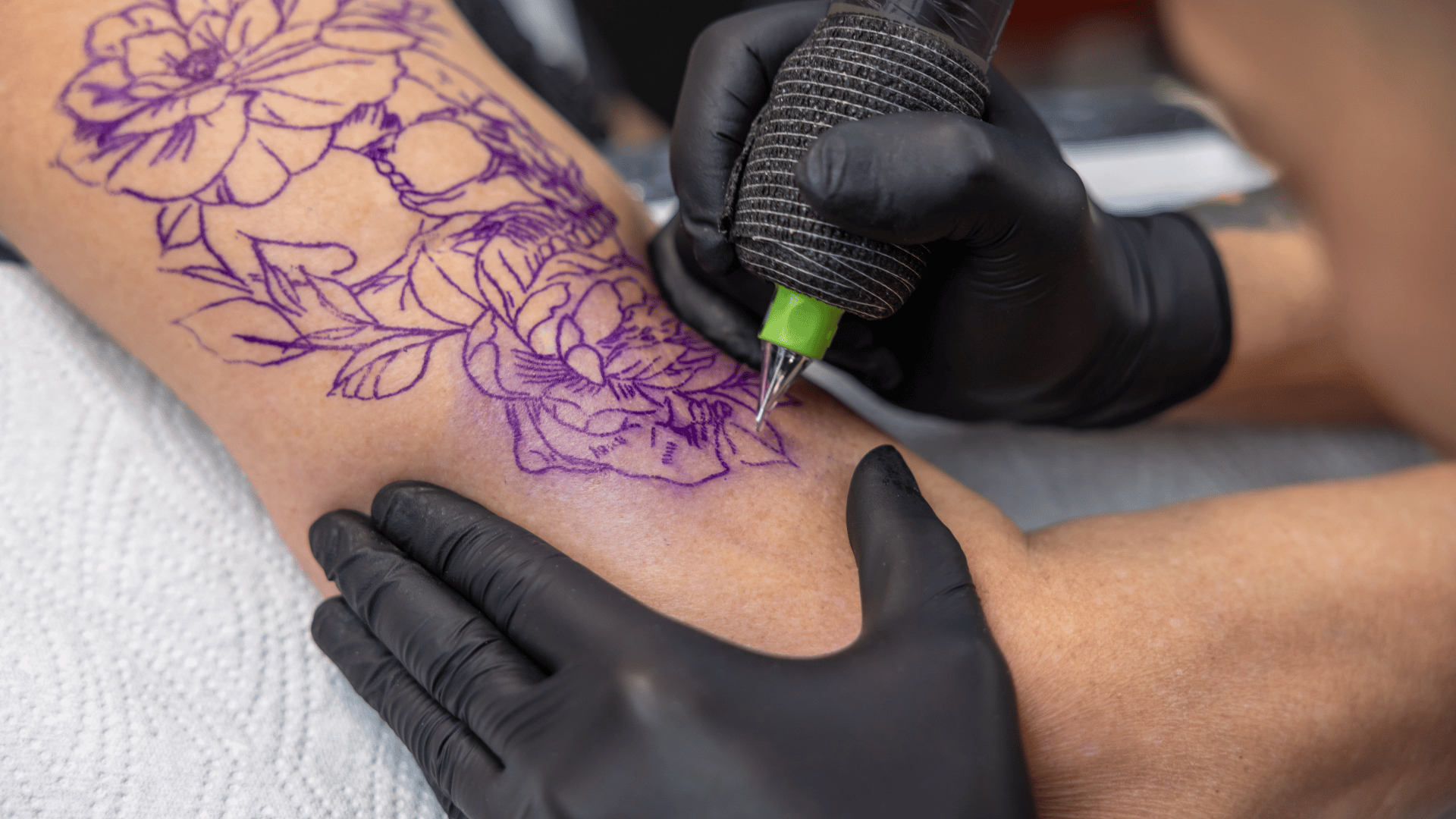
Fineline botanical tattoos are especially popular because botanical forms translate naturally into clean, elegant linework. Thin stems, leaves, buds, and petals can all be rendered with restraint while still feeling complete. For people who want a tattoo that feels subtle, quiet, or visually light, fineline botanical work often makes a lot of sense.
Good fineline tattooing is not just about using a small needle or making a design look delicate. It depends on strong drawing, confident application, and good decisions about spacing and long-term readability. Botanical imagery works well in this style because it can communicate so much through silhouette and structure. Even a relatively small design can feel considered and finished if the linework is clean and the composition is doing real visual work.
Illustrative Botanical Tattoos
Illustrative botanical tattoos shift the focus from pure delicacy or observation toward design. In this approach, the artist may emphasize shape language, stronger composition, contrast, or stylization. The result can feel more graphic, more decorative, or more narrative depending on how the tattoo is built.
This is often a strong option for people who want a botanical tattoo that feels custom drawn rather than strictly copied from a reference image. Flowers and leaves can be arranged to create movement, frame another subject, or support a larger visual idea. Because botanical forms are already organic and varied, they give artists a lot of room to interpret without losing the qualities that make them recognizable and appealing.
Realism in Botanical Tattooing
Realism is another natural fit for botanical work because plants offer so much opportunity for texture, light, depth, and subtle form. Petals fold and overlap. Leaves catch light differently depending on their surface and thickness. Stems, buds, and natural textures all create chances for dimensional rendering. For people who want a tattoo that feels more observed and lifelike, realism can bring a lot of richness to botanical subject matter.
That said, strong realism in tattooing is not always about copying a photograph as literally as possible. Some of the best botanical realism tattoos are guided by observation but still shaped by design choices that help the image hold together on skin over time. Selective linework, controlled contrast, or a slightly stylized composition can all support longevity. In practice, realism often overlaps with fineline and illustrative approaches, which is part of what makes botanical tattooing so adaptable.
How to Choose the Right Botanical Tattoo Style
The right style depends on the relationship between the idea, the placement, and the mood you want the tattoo to carry. If you want something understated and refined, fineline may be the best fit. If you want stronger design, more stylization, or a composition that feels more artist-driven, illustrative may be the better direction. If your priority is depth, texture, and a more naturalistic feel, realism may make the most sense.
Many of the strongest botanical tattoos do not stay neatly inside one label. A piece might use fineline structure with realistic shading, or illustrative composition with more observation-based detail. That is often where custom tattooing becomes most interesting. Instead of forcing an idea into a single category, it is usually more useful to look at how an artist handles natural forms and whether their overall visual language fits what you want to wear.
What to Look for in a Botanical Tattoo Artist
When choosing an artist for botanical work, it helps to look beyond subject matter alone. It is not enough that someone has tattooed flowers before. The better questions are about how they draw, how they compose, and whether they understand the structure and movement of natural forms. Strong botanical tattooing comes from more than symbolism. It comes from observation, design sense, and placement awareness.
Portfolio review matters here. Look for clean line quality, thoughtful shading, and tattoos that feel designed for the body rather than simply placed on top of it. The same plant can be handled in dramatically different ways depending on the artist. If you are trying to understand how different approaches can shape the final result, it can help to compare artists who work across multiple styles. One useful example is the style guide and artists pages from Logan Square Tattoo, a custom studio in Chicago that shows how botanical work can move between fineline, illustrative, and realism approaches.
Why Botanical Tattoos Continue to Work So Well
Botanical tattoos remain popular because they offer a rare amount of visual and emotional flexibility. They can be minimal or complex, ornamental or naturalistic, deeply meaningful or chosen simply because they look good. They fit many body placements, scale well from small tattoos to larger projects, and give artists room to interpret the same subject matter in very different ways.
That adaptability is what keeps botanical work from feeling stale. Even though flowers, leaves, and branches are familiar tattoo subjects, they still leave plenty of room for originality when handled by the right artist. The strongest results usually come from matching the idea to an artist whose style already fits the balance of delicacy, structure, realism, or stylization you want.
Key Takeaways
Botanical tattoos continue to resonate because they combine timeless imagery with a wide range of design possibilities. Fineline botanical tattoos emphasize subtlety and restraint. Illustrative botanical tattoos bring stronger composition, stylization, and graphic presence. Realism botanical tattoos focus on texture, dimensionality, and observation-based form. In many cases, the most compelling tattoos borrow from more than one of these approaches.
For anyone considering a botanical tattoo, the best place to start is usually with artist research rather than trend research. Looking closely at portfolios, placement choices, and how an artist interprets natural forms can make a major difference in the final tattoo. Whether the goal is a small floral piece or a larger custom composition, botanical subject matter continues to offer some of the most versatile possibilities in tattooing.