The fashion calendar feels more competitive than ever. For brands, buyers, and press teams heading into 2026, choosing the right events and showing up with a clear plan can make the difference between landing new stockists and leaving with a pile of business cards that never turn into orders. This guide looks at the key shows to know, how to choose between them, and the practical steps that help brands turn trade show conversations into real business.
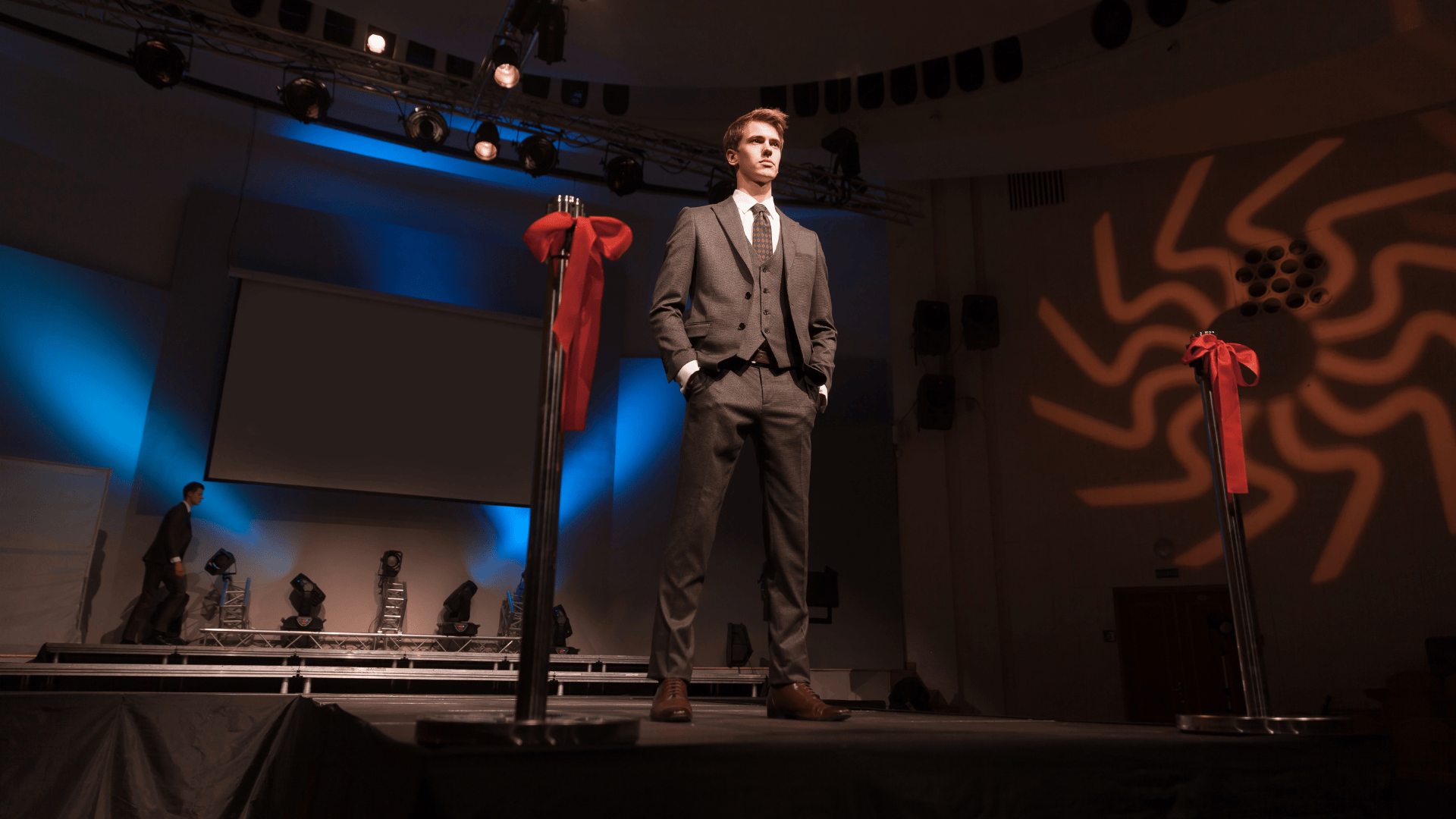
15 Must-Know Fashion Trade Shows and Industry Events in 2026
Why Trade Show Selection Matters More Than Attendance Volume
More shows do not always mean better results. The broader fashion industry landscape has shifted toward quality over quantity, and many brands now report stronger wholesale outcomes from two or three carefully chosen shows than from trying to cover a packed calendar of six or more.
For brands trying to figure out which events offer the best wholesale return, the top fashion and apparel trade shows of 2026 tend to share one clear trait: they give brands direct access to retail decision-makers instead of just general foot traffic.
The shows worth prioritizing in 2026 span several categories:
- Premium womenswear and menswear: Première Vision Paris, Pitti Uomo Florence, Copenhagen Fashion Week trade floors
- Contemporary and streetwear: Bread & Butter Berlin, Project New York
- Sustainable and emerging brands: Who’s Next Paris, Neonyt Frankfurt
- Accessories and lifestyle: Micam Milan, Playtime Paris for childrenswear
Each event draws a different kind of buyer. Matching the show to the brand’s distribution goals is the first decision, and in most cases the one that matters most.
Building a Trade Show Strategy That Actually Works
Showing up without a plan is one of the quickest ways to waste money at a trade show. Brands that consistently open new accounts treat every event as a focused sales operation, not a casual networking exercise.
Independent buyers building their 2026 sourcing calendars are also grouping European stops more intentionally, and key fashion sourcing events across the continent give them efficient access to strong collections across categories.
A practical pre-show checklist includes:
- Research buyer attendance lists, since most major shows publish exhibitor and buyer profiles in advance
- Book meetings before arrival, because walk-up conversations rarely convert and scheduled appointments usually do
- Prepare a tight line sheet, since buyers make fast decisions on the floor and clear information helps
- Set a minimum order threshold, so the number is clear before the conversation starts
- Brief the booth team, because everyone representing the brand should answer the same questions in a consistent way
Post-show follow-up within 48 hours is still one of the most overlooked parts of trade show strategy. Too many brands wait too long, and by then the momentum is already gone.
Getting Press Coverage at Industry Events
Press coverage at trade shows is earned. Editors and journalists move through dozens of events each season, and the brands that stand out usually get a few basics right.
Keeping up with fashion industry events helps brands understand which publications send representatives to which shows, and when to approach them. A sustainability story at Neonyt will land very differently from the same angle at a premium womenswear event.
Key tactics for press visibility:
- Send targeted press kits before the show opens, not after
- Invite editors to the booth personally, not through generic blast emails
- Offer exclusive first looks for journalists attending opening day
- Have a visual story ready, because strong imagery travels further than product descriptions
Brands that generate steady editorial coverage treat press relationships as year-round work, not something to chase in a rush once the season starts.
The Entertainment Economy and Strategic Risk
Trade shows come with real financial pressure. Booth fees, travel, staffing, and production costs add up quickly, so every event is effectively a bet on future revenue. That kind of calculated risk is familiar across industries where outcomes depend on preparation, timing, and reading the room well.
Dutch consumers understand that dynamic clearly. Entertainment sectors built around calculated decision-making, from retail buying to the choices people make on a beste online casino platform, reward a clear strategy far more often than pure instinct. For fashion brands, the trade show floor works in much the same way.
Amplifying Trade Show Results Through Social Media
Being at a show in person is only part of the job. Brands that extend their trade show activity online usually see stronger buyer follow-through and wider press reach.
A strong social media strategy to reach buyers before, during, and after a show creates extra touchpoints that reinforce face-to-face conversations. Live booth coverage, behind-the-scenes content, and buyer testimonials shared in real time can all help build a sense of momentum during show week.
The 2026 trade show circuit will reward brands that treat every event as both a sales operation and a content opportunity. The teams that arrive with a plan for booth strategy, press outreach, and digital amplification are usually the ones writing order confirmations before the show floor closes.