Protecting a fashion boutique involves more than locking the front door at night. High-end inventory and constant foot traffic make these stores primary targets for theft. Modern shop owners must balance an open, welcoming atmosphere with invisible layers of protection. Success in this industry relies on keeping assets safe without making shoppers feel like they are under investigation.
Security Systems Every Fashion Store Should Consider
Smart Video Monitoring
Cameras are the most common sight in any retail space. Modern systems do more than record grainy footage of aisles. They now offer high-definition clarity that allows owners to see small details on clothing tags or jewelry. High-quality video helps staff identify suspicious behavior before a crime occurs.
Loss prevention experts often suggest that business video surveillance is a primary deterrent for shoplifters. A recent report notes that modern setups often combine video with biometric access and scheduling permissions. This layered approach ensures only authorized people enter stockrooms or offices.
Managing Retail Shrinkage
Theft is a massive financial burden for small and large apparel brands alike. Global retail shrinkage accounts for roughly 1.4% of total sales every year. This loss includes shoplifting, employee theft, and administrative errors. Investing in better tracking technology helps lower these numbers quickly.
Intel Market Research notes that this constant loss drives the high demand for advanced prevention tools. Store owners who ignore these figures often find their profit margins disappearing. Keeping a close eye on inventory levels helps spot patterns where items go missing most often.
RFID Tracking Systems
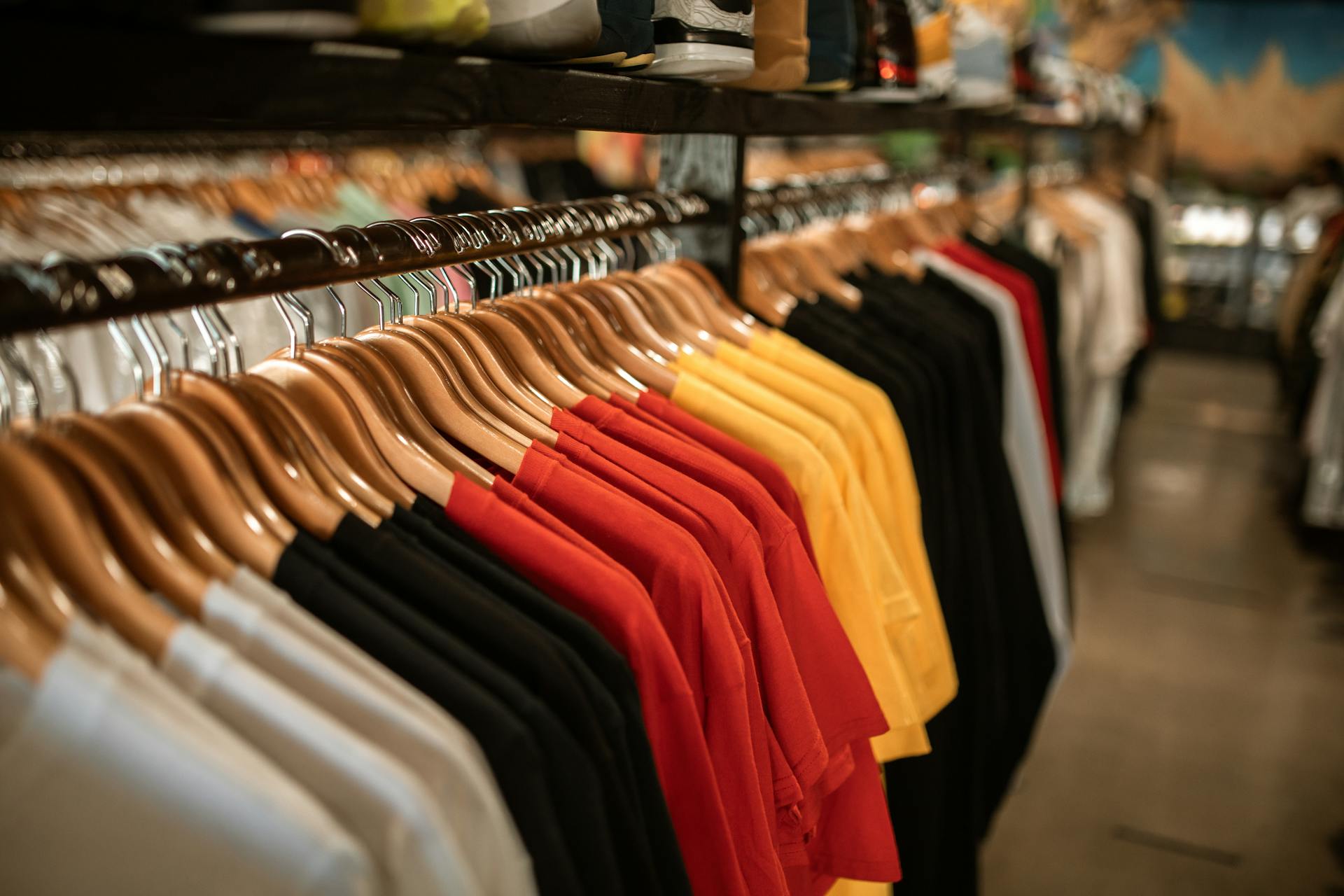
Radio Frequency Identification (RFID) tags have changed how boutiques manage their racks. These small chips attach to clothing and communicate with sensors at the exit. They provide much more data than old plastic security tags.
Benefits of RFID
- Inventory accuracy rises to nearly 99%
- Staff can find specific sizes in seconds
- Automated alerts trigger if unbought items leave
- Stockouts happen less frequently
The retail industry is currently the largest consumer of this technology. Digital sensors are becoming a standard for tracking garment movement from the backroom to the floor. Fashion stores use them to maintain perfect stock levels while preventing bulk theft from the floor.
Electronic Article Surveillance
Electronic Article Surveillance (EAS) remains a staple for protecting garments. These are the pedestals you see at the entrance of most malls. They react to tags that have not been deactivated at the cash register.
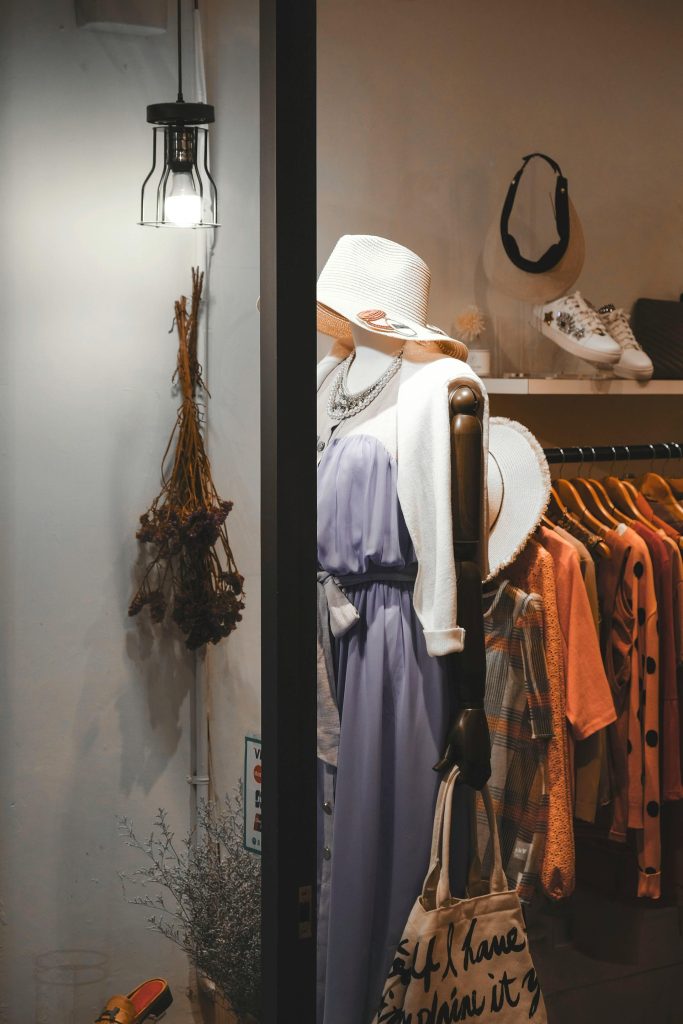
While older versions were bulky, new designs are sleek and fit the aesthetic of a luxury boutique. Some are even hidden inside door frames or under the floor. This keeps the entrance looking clean while maintaining a strong perimeter against theft.
AI and Behavioral Analytics
Artificial intelligence is the newest tool in the fight against retail crime. Software can now scan video feeds to find movements associated with shoplifting. This might include someone tucking an item into a sleeve or loitering in a corner.
Advanced systems help identify repeat offenders by scanning facial features or body language. Statistics show that many people caught using this software are individuals who have stolen from the store before. Recognizing these faces early prevents losses before they happen.
Digital Product Passports
Regulations are changing how clothing is tracked from the factory to the hanger. The European Union is introducing new rules for sustainable products. These will require digital passports for shoes and clothing by 2027.
A recent article from PwC explains that businesses must start preparing for these mandatory digital categories now. These passports will store data about the life of the garment. While designed for sustainability, they also offer a new way to verify that a product is authentic and not a counterfeit.
Access Control for Staff
Security is not just about the customers on the floor. Internal theft is a reality that many store owners prefer not to discuss. Restricting access to the back office and warehouse is a simple way to protect cash and high-value shipments.
Electronic keycards or mobile phone credentials replace physical keys that are easily copied. These systems keep a digital log of who entered which room and at what time. If a high-end designer bag goes missing from the stockroom, the owner has a clear list of who was present.
Improving the Shopper Experience
Security tools can actually make a store run better. Heat mapping shows which parts of the store get the most foot traffic. This data helps managers decide where to place new arrivals or sale items.
Smart systems can also help with queue-busting and store optimization. Cameras can alert a manager if a line is getting too long. This allows the shop to stay safe while keeping the customers happy and moving.
Preempting Future Risks
Data analysis allows owners to look at the past to predict the future. If thefts always happen on Tuesday afternoons, staffing can be adjusted. Technology helps turn raw video into actionable plans.
Analytics tools can look at traffic patterns and staffing schedules to find gaps in security. This helps retailers stop risks before they actually unfold. Being proactive is always more affordable than reacting to a break-in.
Modern Alarms and Sensors
Silent alarms are vital for high-end fashion locations. If a situation turns dangerous, staff need a way to call for help without alerting the intruder. Panic buttons hidden under the counter provide this safety net.
Glass break sensors are also important for boutiques with large display windows. If someone tries to smash the glass at night, the alarm sounds instantly. These sensors are tuned to the specific frequency of breaking glass to avoid false alarms from street noise.
Managing Checkout Lines
Long lines can lead to frustration and missed sales. Security cameras can be used to monitor the front of the store. When the registers get crowded, the risk of “push-outs” or walk-offs increases.
Checkout Safety Tips
- Keep registers near the front exit
- Use clear signage about monitoring
- Train staff to greet every customer
- Maintain clear lines of sight
Research suggests that queue management can reduce perceived wait times by 35%. Happy customers are less likely to cause trouble, and a well-managed floor is harder to steal from.
Inventory Audit Practices
Regular audits are a low-tech way to support high-tech security. Counting stock every week helps identify where technology might be failing. It also lets employees know that management is paying attention to every item.
When staff know that inventory is tracked closely, internal theft drops. This creates a culture of accountability that flows from the manager to the floor staff. Combining human oversight with digital tools is the most effective way to protect a brand.
Security Systems Every Fashion Store Should Consider
Keeping a store safe is an ongoing process that changes with new technology. The current retail environment makes it clear that old methods are not enough. Investing in a modern setup is the best way to ensure the doors stay open for years to come.