Best Shoe Options for Modern Professionals
You step off a train at 8:15, and your shoes meet wet tiles and fast stairs. By noon, you have crossed a lobby, a site walk, and a lunch spot with uneven pavement. That daily mix is why modern work shoes need grip, comfort, and clean lines all day.
Office dress codes have softened, yet clients still notice polish at first contact right away. A small rotation that includes Florsheim shoes can cover meetings, commutes, and after work events without fuss. The smarter pick is a pair that fits your foot shape and matches how you move.
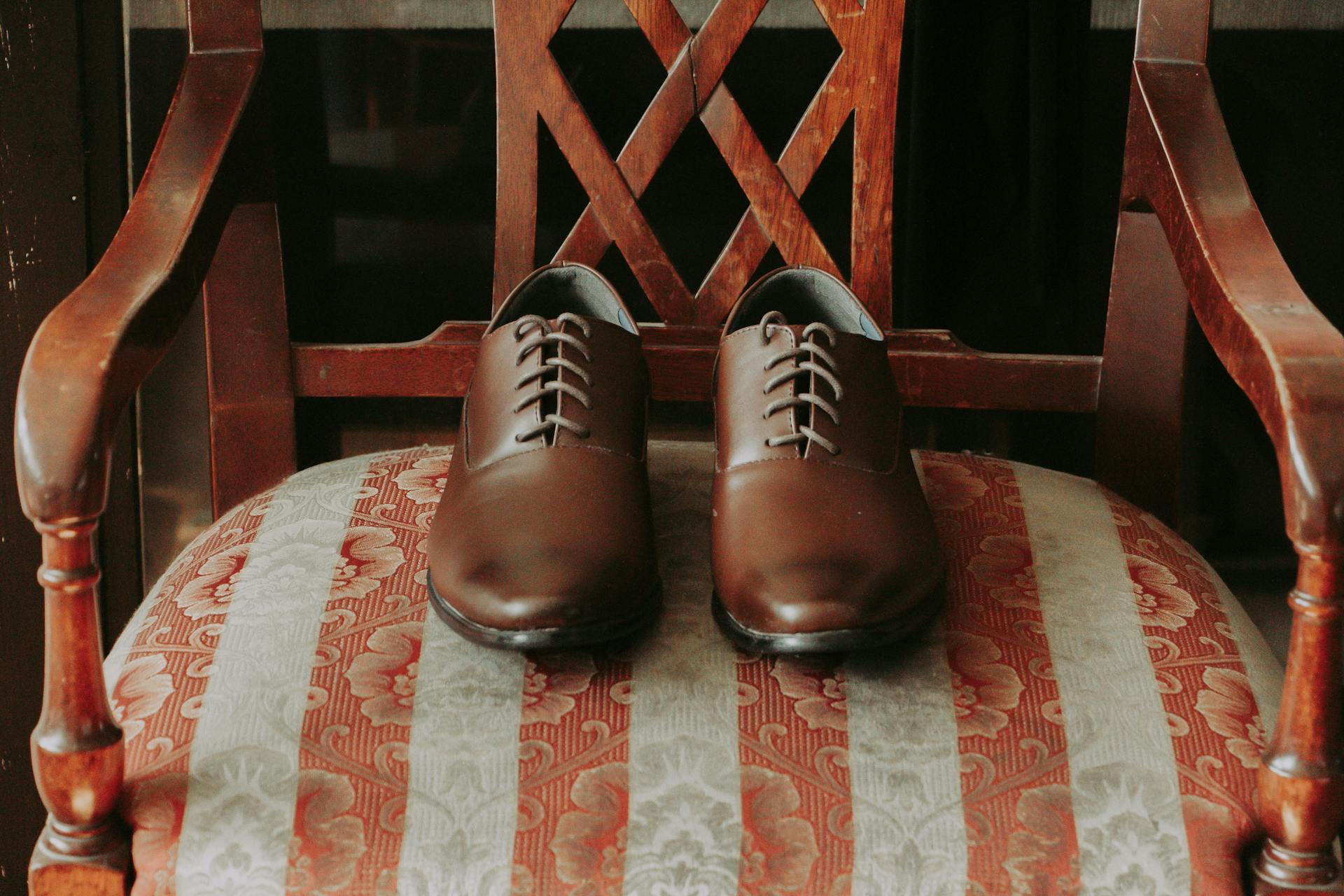
Photo by Meryl Unlao
Start With The Job And The Commute
Begin by mapping where you actually walk, not what your calendar claims each day most weeks. If you climb stairs or stand on concrete, a cushioned sole and stable heel matter. If you drive between sites, a slimmer profile helps the shoe sit flat on pedals.
For boardrooms, a plain toe dress shoe in black or dark brown stays safe always. Look for stitched construction, so resoling is possible once the tread wears down later on. In mixed settings, a clean lace up or a low boot keeps the line professional.
For many women, a low block heel or sleek flat offers balance between polish and commute comfort. Aim for a closed toe in formal rooms, and pick a strap that holds the heel without rubbing. If you prefer boots, keep the shaft slim under trousers, and avoid hardware that catches on hems.
On travel days, a leather sneaker with a simple upper can pass in casual offices. Choose a neutral color, because bright panels draw attention during client meetings and photos too. Keep one weather option, such as a waterproof boot with a rubber sole and sealed seams.
Build the rotation around two pairs you can wear back to back without soreness afterward. That spacing lets sweat dry, which helps linings last longer and reduces odor over time. It also helps you track what works, because you feel differences across your normal week.
Related Contents:
Fit And Width Matter More Than Brand Names
Feet spread under full body weight, so measure while standing and late in the day. Use both length and width, because a narrow forefoot can pinch even in the right length. Many adults also change size over years, especially after weight shifts or long standing work.
Try shoes with the socks you wear at work, since thickness changes volume and heel hold. If your toes feel crowded, switch to a rounder toe shape rather than sizing up in length. A longer shoe can crease in the wrong spot, which adds pressure across the ball of your foot.
A shoe fit guide from the University of Nebraska Lincoln Extension gives simple checks for comfort. It notes that the ball of your foot should sit at the shoe’s widest point during walking. It also recommends a small pinch of leather over the vamp, which signals enough width for movement.
Do these quick checks in store, then repeat them at home on a clean floor. Walk for two minutes, and notice heel slip, hot spots, and toe contact on turns. If you use orthotics, test them in the shoe during fitting, not after you buy.
- Your heel should feel held, with only slight movement, and no lift during a brisk walk.
- You should have space ahead of the longest toe, even when your foot slides forward on hills.
- Across the forefoot, you should wiggle toes, while the upper stays smooth and not stretched.
Wide fit options help professionals with broader feet avoid buying longer sizes that trip on stairs. A proper width also keeps the shoe’s crease in the right place, which helps uppers look neat. If you need a wide dress shoe, look for lines that offer multiple widths and steady sizing.
Materials And Construction For Long Service
Leather uppers can last for years if you rotate pairs and keep them clean after rain. Full grain leather often shows creases, yet it usually resists cracking better than thin coated splits. For hot climates, unlined or lightly lined uppers can reduce sweat, which supports comfort in meetings.
Sole choice sets the feel, as leather soles dress up fast but need dry days. Rubber outsoles handle wet sidewalks and train platforms, and they can still look formal if slim. A stitched welt or similar build allows repair shops to replace soles, instead of discarding the pair.
Suede can work for offices, but it needs a spray protector and quick brushing after rain. Smooth leather is easier to clean, and a neutral cream keeps scuffs from showing under bright lights. If you travel, pack a small cloth and a spare pair of laces, then fix marks before dinner.
Sustainability also depends on what you can verify about materials, labor, and transport steps now. Platforms like fashionabc focus on better supply chain records, which help brands prove claims with documents. For a buyer, that shows up as clearer product data, from leather origin to factory standards and audits.
Ask whether the upper is sourced from a tannery with published standards and waste controls. Check lining and glue odors, because harsh smells can signal heavy solvents or rushed curing times. Small details, like a firm heel counter and tight stitching, often predict how the shoe will age.
Care, Repair, And Smarter Purchasing Signals
A ten minute routine after a wet commute can extend life more than buying a new pair. Wipe salt marks with a damp cloth, let the shoe dry away from heaters, then condition lightly. Use cedar shoe trees if you can, because they hold shape and reduce creasing at the vamp.
Repair and reuse also cut waste, and the US EPA lists repair as a simple action. In footwear, that can mean a new heel top lift, fresh laces, or a resole at a local cobbler. These fixes often cost less than replacing shoes each season, and they keep familiar fit in place.
When you buy, look for clear care notes, material labels, and repair guidance printed or online. Some brands now publish traceability pages or QR codes, which help you check factories and materials. That transparency matches the direction of ethical fashion work, where proof matters more than slogans.
Keep notes on which pairs handle long days, and replace only what fails your comfort test. A small shoe kit, brush, neutral polish, spare laces, and blister plasters, fits in a desk drawer. With routine care and better data, you can buy fewer pairs and still look ready for work.
A Work Ready Shoe Rotation
Modern professionals do best with a small rotation built around fit, surface grip, and clean design. Choose pairs for your commute and role, then protect the investment with rotation, trees, and basic repair. Add traceability checks where you can, and you support ethical fashion goals while saving time each week.