Digital tools promise convenience, but they can be too messy. Alerts, pop-ups, and reminders stack on top of each other’s noise. In the end, planning feels more like dodging interruptions than organizing life. Paper works differently. It slows you down just enough to think.
People who still keep notebooks or bound planners know this feeling well. Opening a fresh page shifts the mind into a quieter rhythm. Thoughts land more clearly. Plans take shape without the glow of a screen pulling you somewhere else. You see this often with weekly 2026 planners already selling early because some people know they’ll want space that feels calm, not crowded.
Here are moments when physical planners simply work better.
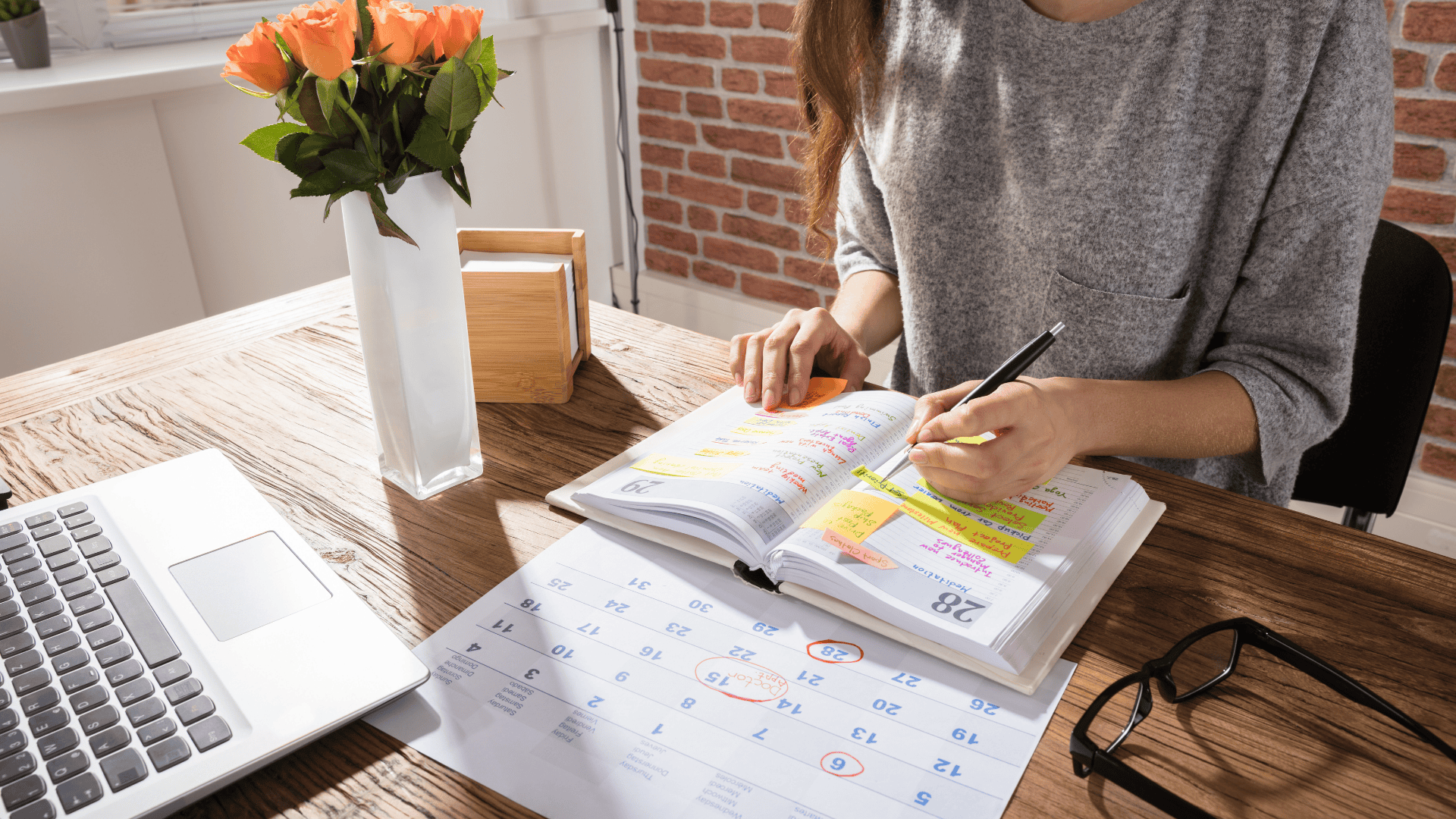
7 Instances Why You’d Want To Choose Physical Planners Over Apps
1. When You Need to Cut Down on Digital Noise
Apps come with pings, badges, and color-coded tabs. It looks organized, but the mind feels split. Paper offers a small retreat. You write one thing at a time. You focus on it longer.
For many people, that single shift brings back clarity they didn’t realize they lost. Planning becomes thinking, not clicking.
2. When You Want Memory to Stick
Writing by hand slows the mind just enough to help details settle. People remember tasks better when they trace them in ink. Even short notes carry weight because your brain processes motion, texture, and physical space.
This is why students and busy professionals often study or brainstorm on paper first. It creates a mental map that apps rarely match.
3. When You’re Planning Beyond the Week
Digital calendars are great for short bursts. But long-term planning, considering the seasons, habits, and goals, feels clearer when you can see months laid out at once. A planner spreads the year in a way that lets you sense time, not just read it.
Some pages ask you to pause. Some ask you to look ahead. This kind of layout makes big decisions easier to weigh.
4. When You Need Distance From Your Phone
Phones blur the lines between work and life. Planning on the same device that holds emails, chats, and feeds keeps you tied to distraction. A physical planner gives space. You sit with paper and step away from the pull of your screen.
This is especially helpful during busy seasons when you need quiet thinking more than any other digital tool.
5. When You Crave Routine That Feels Grounding
Planners create rituals. Turning pages, using bookmarks, and setting aside five minutes every night to list tomorrow’s tasks. These small habits anchor the day.
Apps feel efficient, but they don’t create this sense of rhythm. A physical planner fuses with your routine. It’s almost like brushing your teeth or making morning coffee. It gives shape to the day before it starts.
6. When Creative Thinking Starts to Feel Flat
Digital layouts box you in. Same grids, same fonts, same screens. Paper gives freedom. You can sketch, circle, underline, or draw arrows connecting thoughts. You can leave empty space to think.
People often find that ideas flow differently on paper. Not better. Just freer. Creativity likes room to stretch, and planners give exactly that.
7. When You Want a Record You Can Actually Hold
Apps change, sync, and reset. Files vanish or compress. A physical planner stays. You can pick up last year’s book and flip through your own handwriting. You see progress, slowdowns, and dreams you wrote down months ago.
There’s something grounding about turning pages filled with old ink. It becomes a personal archive that doesn’t need a battery, updates, or backups.
Why Paper Still Wins in Small, Important Ways
Digital tools aren’t going anywhere. They’re fast, tidy, and always in reach. But speed isn’t always the best way to organize a life. Sometimes you need something slow. Something steady. Something that doesn’t blink or buzz.
A physical planner invites you to think with intention. To write more slowly. To see tasks laid out in a way that feels calm. It pulls planning away from noise and back into focus.
People who choose paper aren’t avoiding tech. They’re choosing a feeling. A bit of quiet. A mental reset carved into ink and pages.
Looking ahead to the next year or two, this is why planners still sell out early. Not because they’re old-fashioned, but because they make life feel more human. More deliberate. More yours.
That’s the quiet advantage of paper. It doesn’t compete for your attention. It gives it back.