

Photo by freestocks on Unsplash
From the outside, fashion businesses appear to be built on creativity. People see collections, storefronts, marketing campaigns, photoshoots, and carefully curated brands. They see the products and the visual identity that attract customers in the first place. What often goes unnoticed is the operational side that keeps everything running.
Behind every successful fashion business is a combination of style and systems. One side focuses on design, presentation, and customer experience. The other manages payroll, staffing, inventory, scheduling, and countless administrative responsibilities. Neither side can succeed for long without the other. The businesses that thrive are usually the ones that understand how creativity and organization work together rather than treating them as separate priorities.
In today’s competitive retail environment, balancing both has become more important than ever.
Great Brands Need More Than Great Products
A strong product may attract attention, but building a sustainable business requires much more than creating something people want to buy. Fashion businesses must manage customer expectations, maintain consistent service, handle staffing challenges, and adapt to changing market conditions.
Many entrepreneurs enter the industry because they love fashion. Over time, they discover that running a business involves far more than selecting products or developing a brand aesthetic. Operations become just as important as design.
This reality does not diminish creativity. Instead, it provides the foundation that allows creativity to flourish. When the business side functions effectively, owners and teams can spend more time focusing on innovation, customer relationships, and growth opportunities.
The Systems Behind Every Successful Retail Operation
As fashion businesses expand, operational complexity grows quickly. New employees, multiple locations, seasonal staffing demands, payroll administration, and workforce management all require attention.
Processes that work for a small team often become difficult to manage as a company grows. This is why many business owners invest in technology designed to simplify administrative responsibilities and improve efficiency.
The strongest retail businesses recognize that great customer experiences often begin with strong internal systems. As organizations grow, operational platforms such as https://www.sunrisehcm.com/ can become part of the infrastructure that supports workforce management, payroll, and day-to-day administrative processes. Decisions in these areas may not be visible to customers, but they play a significant role in creating stable operations and positive employee experiences.
The strongest retail businesses recognize that great customer experiences often begin with strong internal systems.
Presentation Remains a Competitive Advantage
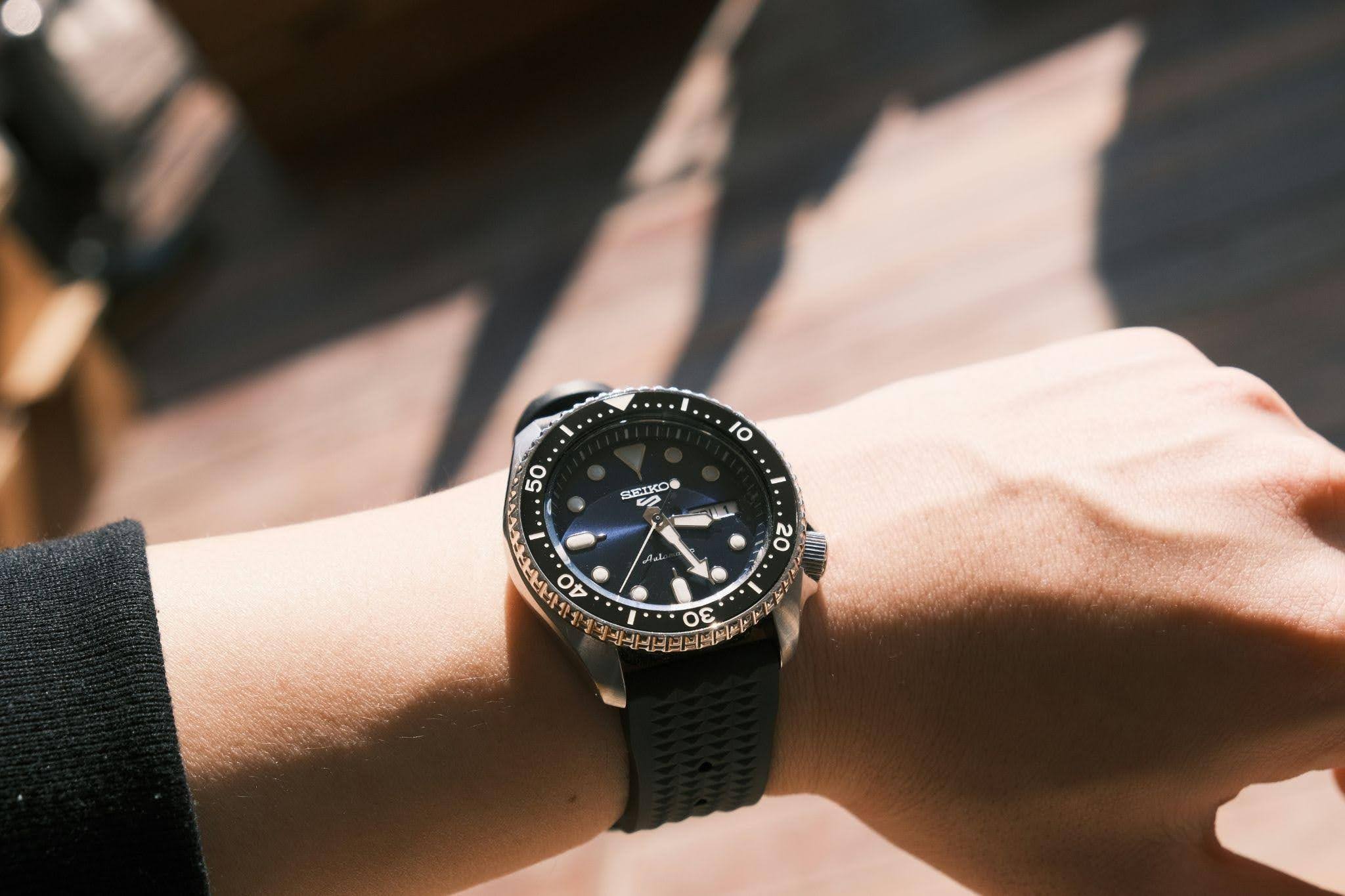
Photo by Minku Kang on Unsplash
While operational excellence is essential, fashion remains a highly visual industry. Customers often form opinions before they ever interact with a business directly. Branding, presentation, merchandising, and product selection all contribute to those first impressions.
People are naturally drawn to businesses that communicate a clear identity. A strong visual presence helps customers understand what a brand represents and whether it aligns with their personal style.
Consistency matters here as much as creativity. Businesses that present themselves clearly across websites, social media, stores, and marketing materials tend to build stronger recognition over time. Customers appreciate knowing what to expect and feeling confident in the brands they choose to support.
Products Tell Part of the Brand Story
Every product a business offers contributes to the story it tells customers. Certain items communicate craftsmanship, quality, heritage, or attention to detail. Others focus on innovation, convenience, or affordability.
Accessories are particularly effective at shaping brand perception because they combine function with personal expression. Customers often choose them not only for practical reasons but also because they reflect individual tastes and preferences.
Someone exploring Seiko watches is typically looking at products known for combining reliability, craftsmanship, and enduring style. Items like these appeal to customers who value quality and long-term value rather than chasing short-lived trends.
For fashion businesses, offering products that align with brand values helps strengthen customer trust and create a more cohesive identity.
Employees Influence the Customer Experience
Customers may remember products, but they also remember interactions. Staff members play a major role in shaping how people feel about a business. Friendly service, product knowledge, professionalism, and communication all contribute to the overall experience.
This is why workforce management has become such an important topic for retail businesses. Hiring the right people is only the beginning. Scheduling, training, support, and retention all influence whether employees are able to perform at their best.
When teams feel supported, customers tend to notice. Positive employee experiences often translate into better customer experiences, creating benefits throughout the business. Strong systems help create that stability by reducing confusion and allowing employees to focus on serving customers effectively.
Fashion Businesses Succeed When Creativity Meets Structure
The fashion industry is sometimes portrayed as a choice between artistry and business. In reality, the most successful companies embrace both. Creativity attracts attention, but structure supports growth.
The businesses that endure are rarely the ones focused exclusively on style or exclusively on operations. They understand that beautiful products, strong branding, reliable systems, and engaged employees all contribute to long-term success.
Running a fashion business requires balancing visible and invisible work. Customers see the products, displays, and marketing campaigns. Behind the scenes, payroll systems, workforce management, and operational processes keep everything moving forward.
When both sides work together effectively, businesses gain the ability to grow without losing the creativity that made them successful in the first place.