
Designers & Ateliers, Fashion Trends & Future, resources
The Role of Premium Accessories in Modern Fashion

Fashion choices define personal style in profound ways, as the garments people select create a baseline narrative for their daily presentation. Accessories complete this picture by adding distinct punctuation to an outfit, transforming a simple look when paired with the right premium items. These additions speak volumes about individual taste and intention without requiring a single word.
Shifting Perceptions of Luxury Items
Modern consumers view luxury through a lens of personal expression rather than mere status. Many individuals choose to invest in high-quality diamond jewellery to celebrate significant life achievements or career milestones. This shift reflects a desire for items that carry deep personal meaning.
Items selected for daily wear need to balance durability with aesthetic appeal. Premium accessories offer this balance by maintaining their appearance through years of regular use. Buyers look for pieces that withstand changing seasonal trends.
The definition of luxury has moved away from pure extravagance. Modern buyers want pieces that tell a story or represent an ethical standard. This evolution changes how designers approach new collections each year.
The Longevity of Fine Investment Pieces
Fine items retain their worth far better than mass-produced alternatives. A research paper from a scientific journal noted that demand for top-tier ornaments remains consistently strong. This enduring interest stems from the lasting financial value and distinct appeal these pieces offer to discerning collectors.
Collectors view these acquisitions as assets rather than simple expenses. The materials used in premium production preserve their physical integrity over decades. This permanence makes them perfect heirlooms for future generations.
Precious metals and rare gemstones do not degrade like synthetic alternatives. Their scarcity means that their market value often increases across successive generations. Investing in craftsmanship yields long-term satisfaction that fast fashion cannot replicate.
Global Market Shifts in Premium Goods
The international appetite for luxury items shows remarkable growth patterns across different regions. A report by an educational institution examined these trends and found that the Chinese personal luxury market expanded fivefold between 2016 and 2026. This expansion represents an annual growth rate of 17% over that decade.
Several factors drive this global surge in high-end accessorizing:
- Rising disposable income in developing economic regions
- Increased access to international fashion houses via digital platforms
- Greater appreciation for traditional craftsmanship and material purity
Regional preferences influence the specific types of items that dominate local retail markets. Some geographical areas favor large bold statements. Other regions select minimalist designs that focus entirely on subtle elegance.
Emerging markets show a strong preference for heritage brands. Consumers feel a connection to the centuries of technique refined by these establishments. This connectivity helps artisanal brands reach an international audience.
The Psychology of Personal Ornaments
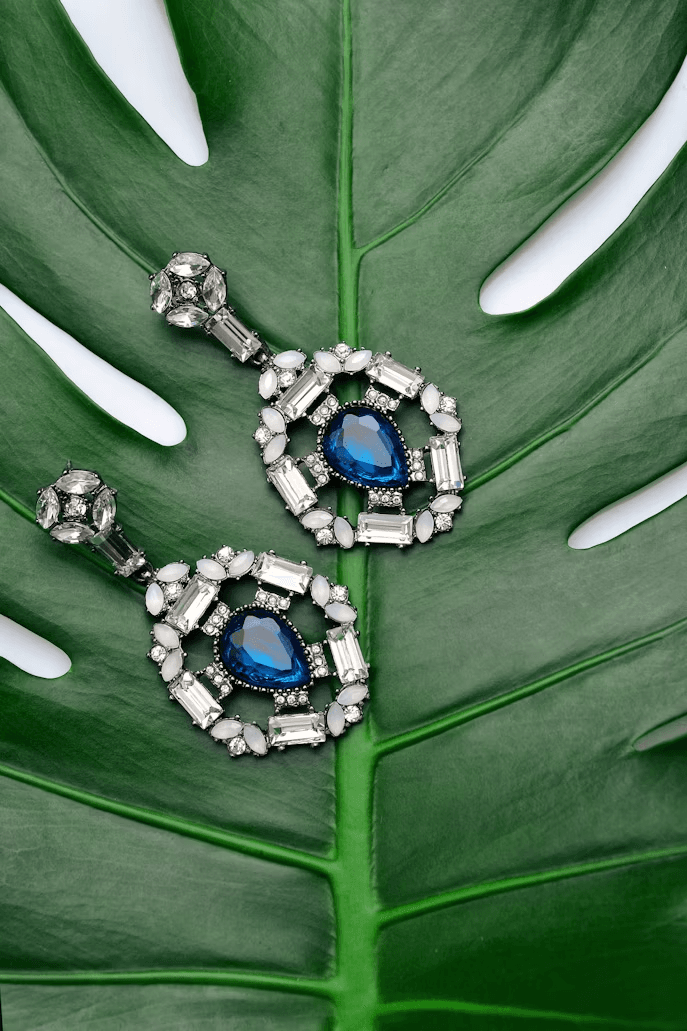
Wearing high-end items can influence a person’s mindset and confidence levels. The weight and texture of fine materials offer a tactile reminder of success. This physical sensation often translates into a more poised demeanor during important presentations or social events.
Many people associate specific pieces with key memories or loved ones. An item received as a graduation gift or an anniversary present becomes an emotional anchor. Every time the owner puts it on, they recall that positive emotional state.
Accessories act as conversation starters in both professional and casual settings. A unique design draws interest and invites questions from peers. This interaction can establish a connection before any formal business discussion begins.
The act of selecting an ornament in the morning forms a mindful ritual. This brief moment allows individuals to set their intentions for the day ahead. Taking time for these small choices creates a sense of control over personal presentation.
The Subtle Power of Daily Ornaments
Fine details often carry the greatest weight in professional environments. A subtle pair of cufflinks or an elegant necklace can signal attention to detail. Colleagues and clients notice these choices, interpreting them as signs of meticulousness and organization.
Selecting items for daily use requires a focus on comfort and utility. Heavy or bulky designs can distract from urgent tasks. Lightweight options crafted from precious metals offer comfort throughout long schedules without sacrificing individual style.
Daily items should transition smoothly from day settings to evening events. Versatility is key when building a personal collection of fine goods. A piece that looks appropriate in a boardroom should look equally elegant at a dinner table.
Adapting Classic Styles for Modern Contexts
Fashion trends move in cyclical patterns that repeat across decades. Classic accessory designs remain steady through these fluctuations, relying on their basic geometric purity. A simple gold band or a silver chain works just as well today as it did 50 years ago.
Modern styling involves mixing traditional elements with contemporary garments. Pairing an antique brooch with a sleek denim jacket creates an interesting visual contrast. This juxtaposition allows individuals to honor the past and embrace current aesthetics simultaneously.
Premium accessories serve a purpose far beyond mere decoration by anchoring style and offering enduring financial value. Selecting the right pieces requires careful thought and a deep understanding of personal branding. As fashion continues to evolve, these fine ornaments will remain steady symbols of elegance, guaranteeing that your wardrobe always possesses a timeless foundation.


