Super Clone Watches: Trend or Long-Term Market Shift?
Super clone watches have unjustly gone from fundamental imitations to sophisticated replications that closely resemble premium watches. Now built with advanced machining and more premium materials, and finished with near-identical design detailing, these watches occupy a strange crossroads of technology, style, culture, and changing consumer habits.
So now, as 2026 approaches, the question is no longer whether super clones are out there, as they clearly are. The real issue is whether their rise is a market-trend blip driven by economic pressure, or whether they are the players who signify how consumers will be thinking about luxury watches and value in the future.
This article discusses the forces behind the spike, as well as some of its psychological components and implications for the future of watch culture.
How Super Clones Became a Sub-Industry of Their Own
The modern super clone market is nothing like the old counterfeit landscape. Top sellers like luxuryclonewatch.com now operate with near-industrial precision, using materials and methods once limited to established brands. Many high-grade super clones are built with:
- • High-grade steel, including 904L-style alloys
- • Sapphire crystals
- • CNC-machined components
- • Japanese or Swiss-style automatic movements
- • functional complications designed to mirror original layouts
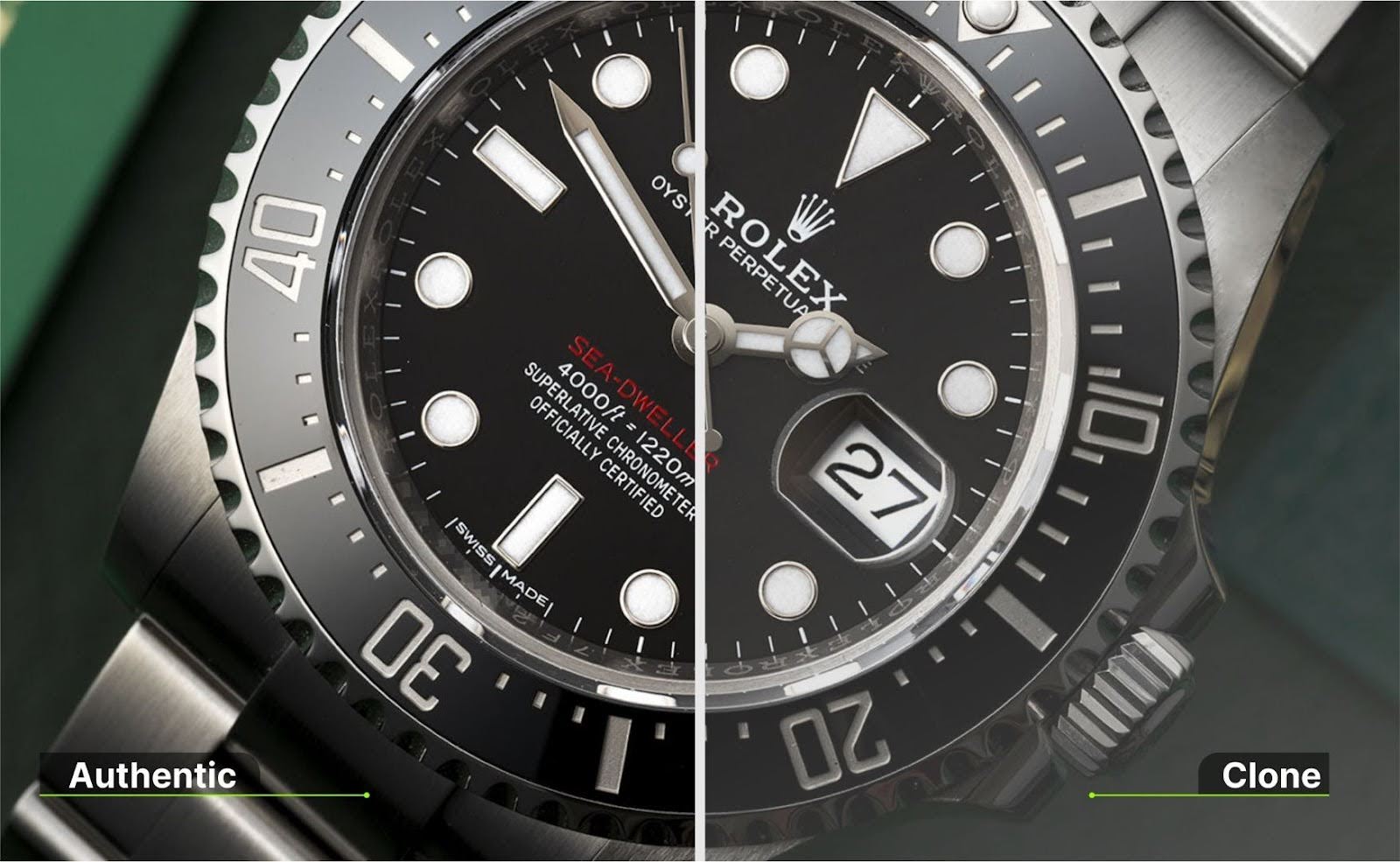
The craftsmanship has reached a point where distinguishing a premium clone from the original often requires specialized tools or movement-level analysis. This leap in quality has created what feels like a parallel watch industry, outside traditional retail channels but undeniably serving a growing consumer segment.
The Rise of Super Clone Watches in 2026
What’s Driving the Surge of Luxury Super Clone Watches?
Super clones have become a global phenomenon due to cultural shifts, rising luxury prices, and rapid advances in precision manufacturing. The result is a market that has grown far beyond impulse buyers.
Here are the core drivers:
1. Visual Culture and the Influence of Social Media
Luxury today is consumed differently. On TikTok and Instagram, the focus is visual impact: wrist shots, unboxings, comparisons, and “real vs. clone” content. A watch’s aesthetic presence often matters more to viewers than its provenance.
This shift has opened the door for buyers who don’t chase heritage but simply love the look of iconic designs. For many, super clones aren’t about deception, but they’re about style, exploration, and visual expression.
Insert an image: A screenshot/collage of the super clone trend on social media like Instagram and TikTok, showing influencers or buyers wearing them. You can also cite a case where any celebrity wore a super clone.
2. Rising Prices and the Luxury Accessibility Gap
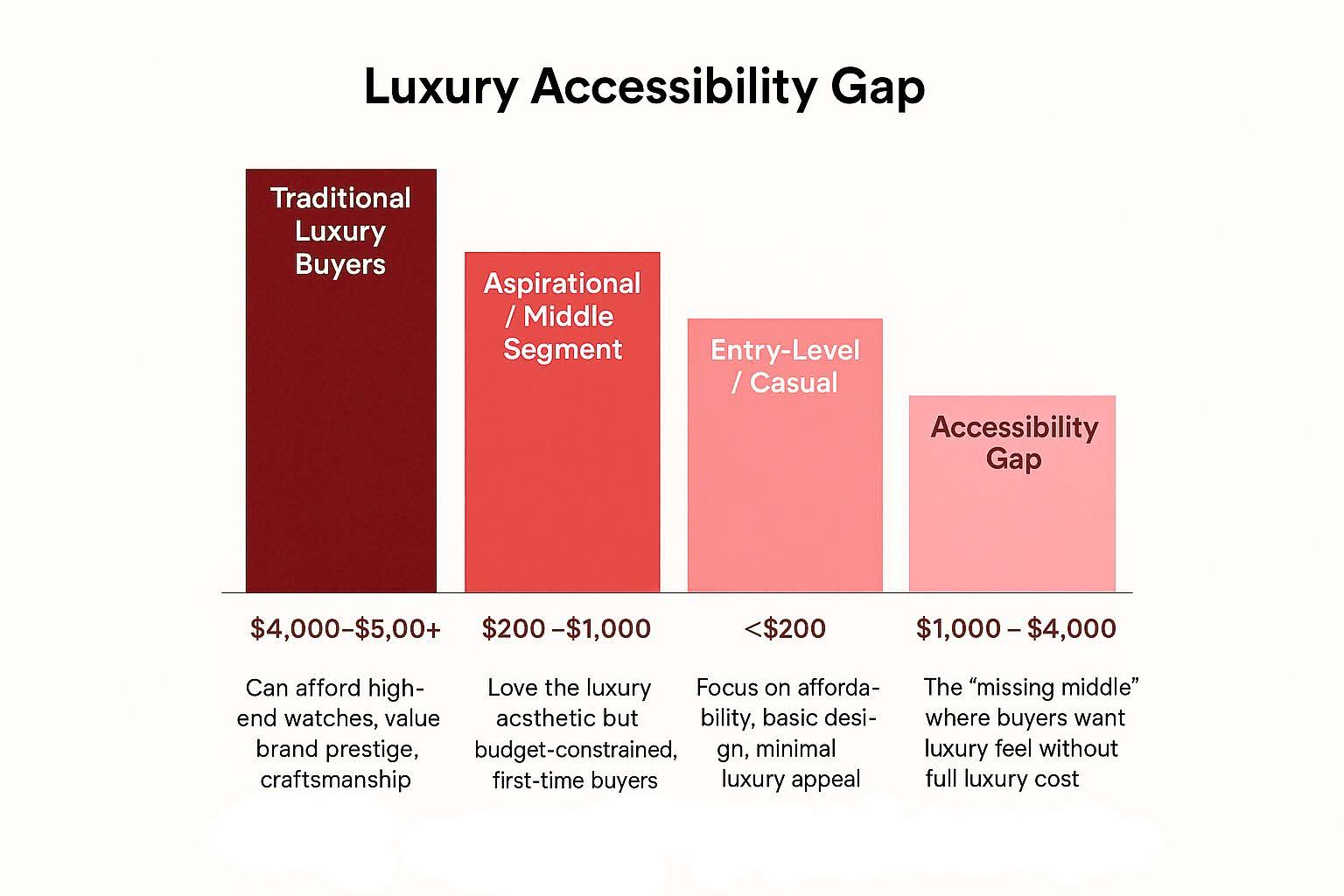
Luxury watch prices have climbed significantly, while economic uncertainty has made significant purchases harder to justify. Many younger and first-time buyers admire luxury but aren’t ready or able to pay four or five figures for a single piece.
Super clones fill that gap by offering similar design language and wrist presence at a far lower cost. They satisfy a large middle segment that loves the aesthetic but doesn’t have the budget for traditional luxury.
The Rise of Super Clone Watches in 2026
3. Advances in Global Manufacturing
The manufacturing tools once reserved for top-tier watchmakers are now widely accessible. Factories use:
- • 3D scanning
- • Micro-machining
- • Precision CNC tooling
- • CAD modeling
These technologies enable manufacturers to reverse-engineer cases, bezels, dials, textures, and even movement layouts with remarkable accuracy. The result: products that get closer to the authentic originals every year.
This is not a rise in volume but in technical refinement.
4. Scarcity and Supply Dynamics in Luxury Watch Brands
Many luxury brands intentionally limit production. Waitlists stretch from months to years. Distribution is tightly controlled. Prices climb annually, and secondary-market listings keep rising.
Scarcity has become part of the strategy, but it also pushes frustrated buyers elsewhere.
Super clones step in as the accessible alternative for those who want the design without the timeline.
Who Is Buying Super Clones? A Look at the New Consumer Segments
The modern clone buyer isn’t a single stereotype. The market now includes distinct groups:
- • Aesthetic-focused buyers who simply want the design.
- • Social media influences trend followers.
- • Experimenters who wish to test a model before buying the authentic version.
- • Collectors are curious about craftsmanship improvements in top-tier clones.
- • Younger buyers are priced out of luxury but still passionate about watch culture.
Understanding these groups explains the market’s resilience and why demand keeps rising despite ongoing legal and ethical concerns.
Short-Term Trend or Long-Term Structural Shift?
Is the boom just a wave, or are we witnessing a permanent change in the luxury landscape?
Signs of a Long-Term Market Shift
- • Manufacturing quality improves each year
- • Demand is tied to long-term cultural forces
- • Younger buyers prioritize design over heritage
- • Brand scarcity drives aspirational buyers to alternatives
- • Replica communities, reviewers, and forums continue expanding
Factors That Could Limit Growth
- • Stronger legal enforcement
- • Advanced anti-counterfeit technologies
- • Loyal segments who remain committed to brand heritage
Still, all indicators point toward super clones becoming a stable, ongoing segment rather than a passing phenomenon. Their influence is already reshaping discussions around authenticity, value, accessibility, and what luxury means to new generations.
Final Thoughts
Super clone watches now constitute a layer unto themselves in the watch landscape, as removed from low-quality replicas as can be. They epitomize cultural trends, changing values, and a design appreciation/economic reality collision.
Whether one considers them innovations, disruptions, or controversies, super clones reveal how modern consumers think about aesthetics, access, and personal style.
And as long as the strong economic, cultural, and technological forces behind them continue, super clones aren’t going away anytime soon. Rather, they are likely to be a meaningful part of the conversation deep into 2026 and beyond.
References:
- • https://medium.com/@GlobalTimesSingapore/the-global-replica-watch-trade-from-southern-china-to-the-worlds-wrists-a400e3e09021
- • https://onlinelibrary.wiley.com/doi/10.1111/ijmr.12271
- • https://www.tandfonline.com/doi/full/10.1080/20932685.2024.2434870
- • https://www.forbes.com/sites/arieladams/2013/05/30/the-truth-about-replica-watches/

Pallavi Singal is the Vice President of Content at ztudium, where she leads innovative content strategies and oversees the development of high-impact editorial initiatives. With a strong background in digital media and a passion for storytelling, Pallavi plays a pivotal role in scaling the content operations for ztudium’s platforms, including Businessabc, Citiesabc, and IntelligentHQ, Wisdomia.ai, MStores, and many others. Her expertise spans content creation, SEO, and digital marketing, driving engagement and growth across multiple channels. Pallavi’s work is characterised by a keen insight into emerging trends in business, technologies like AI, blockchain, metaverse and others, and society, making her a trusted voice in the industry.