Creative minds need room to breathe and create. When clothing designers work in chaotic rooms, their design process often slows down significantly. Clean desks help ideas flow much faster. Clear benches invite new inspiration.
Messy studios can easily stall your next big fashion line. Keeping tools organized lets you focus on garment construction instead of searching for lost shears. A tidy floor plan changes your daily output. Small adjustments create better workflow habits.
Clearing Physical Space For Better Focus
Clutter tends to crowd out inspiration when textiles pile up. Tables covered in scraps leave little space for cutting patterns or sketching new concepts. Clear surfaces offer an immediate invitation to start sketching.
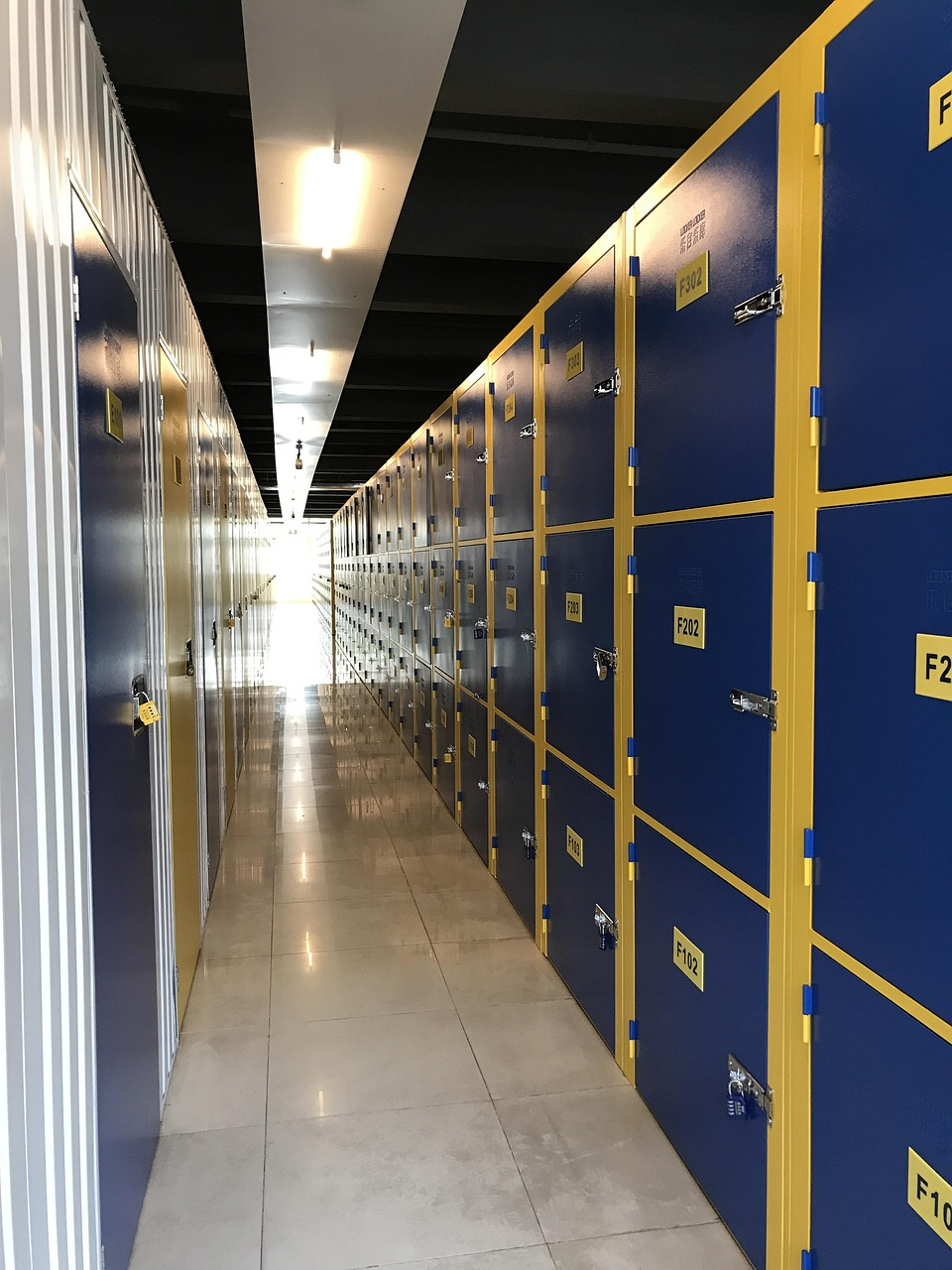
Fabric bolts and pattern papers often accumulate quickly in a studio. Finding room for these items means looking for safe and secure self storage in Christchurch or elsewhere to keep your current workspace clear. This simple step keeps your immediate surroundings open for active design projects.
Physical freedom in your room directly supports your ability to move around garments on mannequins. You can walk around your draping projects without tripping over boxes. Broad movements help you see silhouettes from every angle. This perspective improves the final fit of each piece.
Reducing Mental Fatigue In Design Work
Mental clarity drops when your eyes constantly scan a messy room. Every misplaced item represents a small distraction that pulls attention away from your current fashion sketch. Staying focused requires a predictable environment. Organization clears your mind for technical tasks.
A medical research paper showed that excessive clutter limits performance by disrupting thought-critical workflows. Fashion design demands deep concentration during intricate embroidery or pattern grading. Removing visual noise protects your mind from early fatigue.
When you eliminate distractions, your brain spends less energy filtering out background mess. You can spend that saved energy on matching color palettes or selecting textiles. A calm studio environment supports better design choices. New collections benefit from this mental space.
Streamlining Daily Production Workflows
Efficiency in garment production relies on predictable steps. When sewing machines, threads, and scissors stay in fixed positions, assemblies move much faster. Speed increases when you skip the search for tools. Your sewing time becomes highly productive.
A university strategic report indicated that streamlining operational activities reduces administrative burdens to add value to project outcomes. Applying this idea to fashion production means organizing your supply shelves systematically. You spend less time managing inventory and more time sewing.
Standardizing your layout means every assistant knows exactly where to find measuring tapes. Work moves smoothly from the cutting table straight to the sewing station. This organization prevents costly mistakes during busy production runs. Deadlines become much easier to meet.
Managing Fabric Samples And Materials
Textile samples can quickly overwhelm a workspace if left unchecked. Designers often receive dozens of swatches from different mills every week. Proper sorting systems keep these samples useful instead of chaotic. Quick access helps during quick design mockups.
Categorizing your materials makes fabric selection simple when starting a new line. You can arrange swatches by specific traits to speed up your workflow:
- Fiber content like cotton or wool
- Seasonal weight and drape qualities
- Color families and print patterns
Labeling bins clearly allows you to grab the right lining material in seconds. You avoid buying duplicate yards of silk since you know exactly what is in stock. Good inventory habits protect your raw material budget. Spending less on duplicates frees up funds for other notions.
Improving Client Impressions During Meetings
High-end fashion clients expect professionalism when they visit a design studio for fittings. A clean showroom reflects the precision you put into your custom garments. First impressions can determine future contracts. Buyers appreciate an orderly presentation space.
Presenting sketches in clean portfolios shows respect for your buyers. When a workspace is orderly, clients focus entirely on your artistic vision rather than surrounding clutter. Your environment acts as an extension of your luxury brand.
Clear fitting areas give clients room to move comfortably in front of mirrors. They can see how the fabric drapes without distractions behind them. This professional setup builds strong trust in your brand. Satisfied clients often share their experiences with others.
Protecting Valuable Textile Collections
Delicate fabrics like silk, lace, and vintage brocades require careful handling to prevent damage. Piling these materials haphazardly causes deep creases and pulls threads. Storing them flat keeps them perfect for cutting. Care preserves the integrity of delicate materials.
Proper storage solutions shield your textiles from sunlight and dust degradation. Archival boxes keep expensive embroidery threads clean and untangled over months of storage. Organized bins prevent pests from ruining wool blends.
Organizing historical pieces or previous runway garments preserves your design archives safely. You can reference past collections easily for inspiration or construction techniques. Safe keeping maintains the monetary value of your physical portfolio. Your legacy remains intact for years.
Boosting Creative Energy Every Day
Walking into an orderly studio brings immediate peace of mind each morning. You can sit down and begin sketching without feeling overwhelmed by yesterday’s mess. Clean starts lead to bolder creative choices. Morning focus drives your evening success.
A tidy bench makes room for spontaneous experimentation with trim or buttons. When your materials are visible, you discover unexpected combinations that inspire fresh collections. Order gives your imagination freedom to play.
Sustaining this order transforms your daily relationship with fashion design entirely. You look forward to studio hours when work flows without friction. An organized room keeps your passion for design alive. Your craft thrives under structured routines.
A structured studio changes the way you approach garment creation. By separating current work from older supplies, you clear a path for innovation. Neat rooms support professional success. Your day feels less hectic.
Taking control of your environment allows your talent to shine without hindrance. Small changes in your storage habits lead to significant improvements in design speed. Your workspace reflects your commitment to your craft. Order empowers your path forward.