
resources
Spine Health Tips for Professionals in the Fashion Industry
12 Sept 2026

Long shifts in fashion studios or on runway floors take a heavy toll on physical well-being. Designing garments, cutting fabric, and prepping models require hours of bending, standing, and lifting heavy equipment. Spreads of high-energy work mask physical discomfort until severe strain sets in. Taking early measures maintains mobility and long-term strength throughout a demanding creative career.
Lower Heel Heights Preserve Lower Back Alignment
High heels are a staple on the runway, but wearing them during long prep sessions shifts the body's center of gravity forward. Continuous forward tilt forces the lumbar region to overcompensate. Choosing footwear with lower heels reduces stress on intervertebral discs and stabilizes posture.
Many chiropractors suggest keeping heels lower than two inches during working hours. Making this simple adjustment lightens the constant pressure applied to the spine.
Footwear choices impact daily energy levels across long studio sessions. Lower heels promote a stable foundation, letting professionals focus on creative tasks with less bodily wear.
Proper Lifting Techniques Prevent Sudden Joint Strain
Fashion professionals frequently move heavy garment racks, rolls of fabric, and mannequin frames. Surgical options like spinal fusion surgery exist for severe conditions, but prevention remains key. Lifting heavy items with a bent back places extreme loads directly on lower lumbar structures.
Bending at the knees and holding heavy objects close to the torso protects back muscles from sudden sprains. Engaging core muscles before lifting offers extra support to the entire trunk.
Asking for assistance with bulky loads avoids unnecessary spinal exertion. Simple lifting protocols keep creative teams working safely without injury.
Ergonomic Station Setups Reduce Chronic Discomfort
Drafting tables and pattern-cutting stations force professionals to lean forward for long periods. Repetitive bending pulls muscle groups out of alignment, increasing the risk of painful strain.
Adjusting worktable heights brings projects closer to eye level. Sitting or standing in positions tailored to body proportions minimizes continuous strain on sensitive spinal joints.
Proper desk height keeps arms resting comfortably without pulling on shoulder muscles. Customizing the workspace layout prevents posture habits that degrade back health over time.
Dynamic Movement Breaks Prevent Muscle Fatigue
Static postures during long sewing or sketching sessions lead to stiff joints and decreased circulation. Muscle stiffness builds up when workers stay frozen in single positions.
- Short mobility breaks relax overworked back muscles.
- Frequent position changes boost blood flow to surrounding tissues.
- Dynamic stretching keeps joints flexible during long workdays.
Individuals in dynamic postures reported the least pain compared to those remaining completely stationary. Incorporating subtle movements into daily routines protects long-term spine health.
Taking a quick walk across the studio floor resets posture and relieves joint tightness. Small active breaks maintain stamina through demanding project cycles.
Neutral Postures Protect Intervertebral Discs
Slouching or leaning forward compresses intervertebral discs, which act as shock absorbers between vertebrae. Extreme pressure contributes to disc degradation and chronic soreness.
Maintaining a neutral spine position distributes body weight evenly across structural joints. Keeping ears aligned over shoulders prevents unnecessary tension in the neck and upper back.
Proper alignment reduces the work required from back muscles to stay upright. Consistent alignment practice protects structural integrity during physical design work.
Early Intervention Avoids Severe Structural Damage
Ignoring persistent back discomfort causes minor muscular issues to escalate into physical limits. Seeking early guidance keeps minor injuries from requiring invasive medical interventions.
Physical therapy techniques build strength around vulnerable joints to improve daily mobility. Targeted exercises correct imbalances before long-term damage takes root.
Assessing Risk Factors at Design Stations
Designers using specialized stations face physical demands that lead to musculoskeletal symptoms. Research indicates that 98.2% of the analyzed positions of students are between medium to very high risk.
Upgrading studio furniture to offer proper lumbar support lowers risk levels. Adding supportive footrests and adjustable chairs reduces strain during intense deadlines.
Evaluating workstation setups helps identify poor postural habits before pain develops. Modern studio gear should support the body through complex production tasks.
Balancing Physical Demands with Daily Support
Fashion designers sit for long periods while conceptualizing collections or executing complex sewing work. Prolonged sitting strains the lower back when supportive seating is missing.
- Lumbar rolls support the natural curve of the lower spine.
- Chair adjustments prevent slumping forward during detailed tasks.
- Periodic standing sessions reduce cumulative spinal pressure.
Combining physical adjustments with supportive furniture creates a healthier work area. Simple habit changes build lasting protection against daily fatigue.
Occupational Hazards in Apparel Production
Workplace strain remains widespread across global apparel and production industries. The pooled prevalence of MSDs from nine studies was 65.6%.
Recognizing industry trends highlights the necessity of self-care for creative professionals. Ergonomic habits ensure long days on the studio floor do not compromise health.
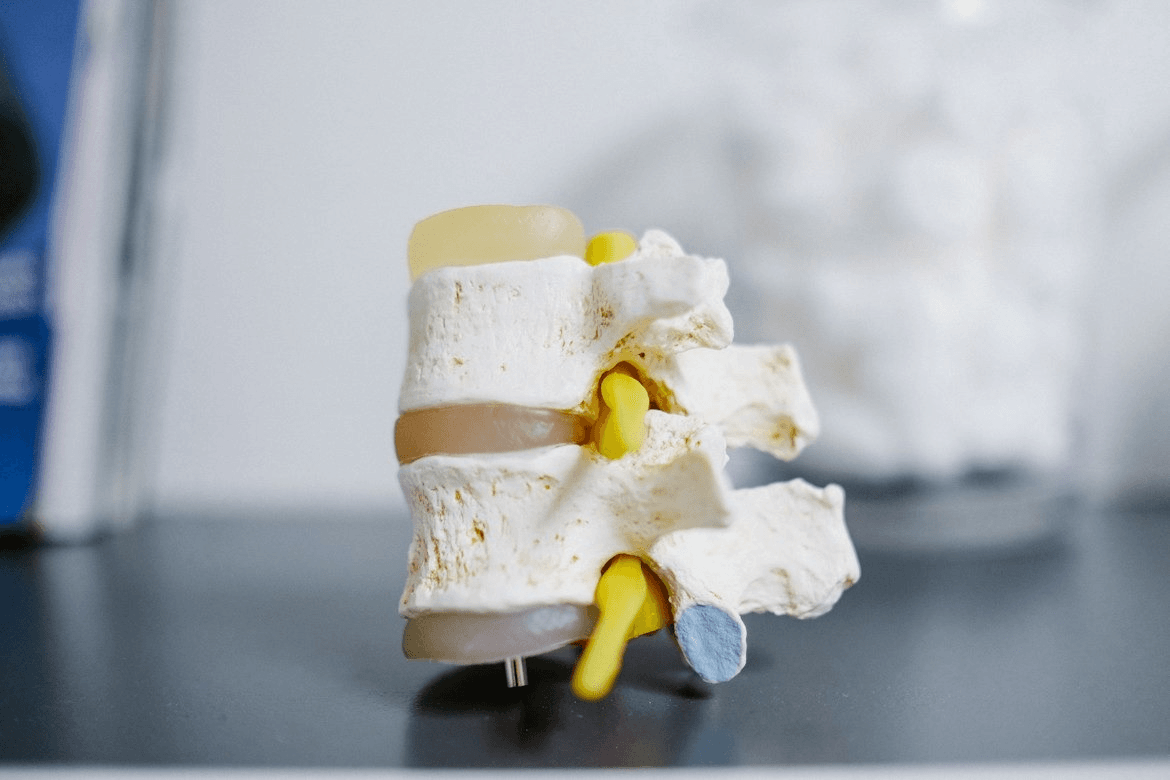
Prioritizing physical wellness allows creative individuals to focus on their art without chronic pain standing in the way. Integrating smart movement habits, supportive footwear, and ergonomic equipment creates a sustainable routine that protects the spine for years.
Share

Arthur Brown
Writer
A dad of 3 kids and a keen writer covering a range of topics such as Internet marketing, SEO and more! When not writing, he's found behind a drum kit.


